
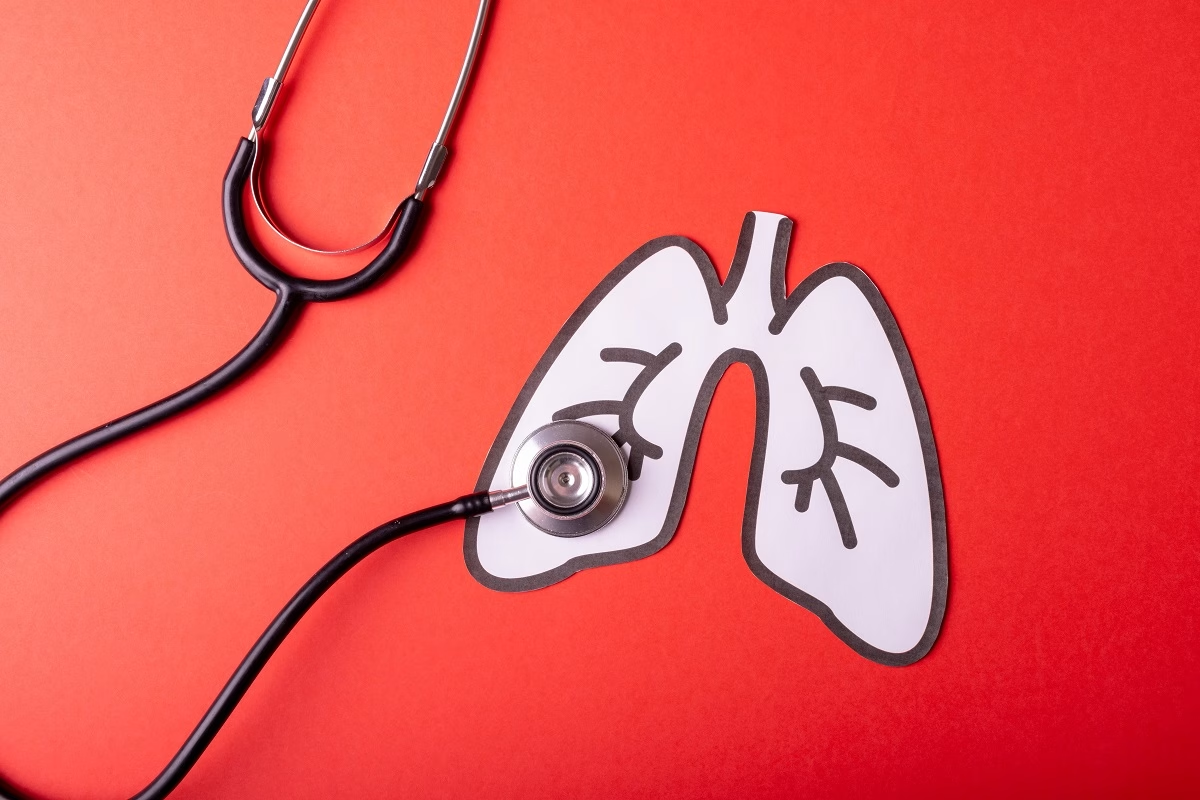
A health condition in which hypertension (high blood pressure) occurs in the pulmonary arteries is called pulmonary hypertension (PH). These arteries carry oxygen-poor blood from the heart to the lungs. One of the main symptoms of PH is shortness of breath during usual daily activities. In most cases, it occurs due to heart diseases, lung diseases, and hypoxia. However, with early diagnosis and proper treatment, it is possible to prevent serious complications and improve your quality of life.
It is important to understand that PH is dangerous because it affects the flow of blood through the heart and lungs. Increased blood pressure causes these arteries to become narrower, which leads to increased strain on the heart. If you do not treat this condition, it may lead to serious damage to the heart muscle over time and other health problems.
Types of Pulmonary Hypertension
This disorder has been divided into several groups based on its cause, according to the World Health Organization (WHO). These include:
- Group 1 PH (it is caused by pulmonary arterial hypertension) – This disorder has multiple causes, from underlying disorders to some medicines. Furthermore, pulmonary arterial hypertension (PAH) often makes pulmonary arteries narrow, thick, or stiff, which reduces blood flow and increases the pressure inside them.
- Group 2 PH (left-sided heart disease) – Normally, the left side of the heart pumps blood throughout the body. When there is a problem in this part of the heart, it may negatively affect the entire pulmonary circuit. As a result, the blood may flow backward in the heart, which significantly increases the pressure in these arteries.
- Group 3 PH (lung disease or hypoxia) – There are some lung disorders that cause the pulmonary arteries to tighten. Thus, less blood reaches the lungs, increasing pressure in these arteries.
- Group 4 PH (blockages in the lungs) – Blockages in the lungs can occur due to blood clots or scars. Hence, it prevents the blood from flowing properly through the lungs, which puts extra stress on the right side of the heart and increases the pulmonary blood pressure.
- Group 5 PH (other health conditions) – These include blood disorders, metabolic disorders, and others. However, the exact mechanism for how these disorders cause PH is not fully understood by experts.
How Common is Pulmonary Hypertension?
While some types of PH occur quite rarely (such as PAH and PH caused by blood clots), others are more common, especially those caused by lung disorders. It is difficult to estimate how many people suffer from PH around the world. However, some research showed PH may affect 1 in 100 people (which means approximately 50 million to 70 million people are living with PH).
Furthermore, pulmonary hypertension mostly affects older adults (over 65 years old). In addition, healthcare providers believe the number of people with PH will increase in the next few decades.
Symptoms
The primary symptom of this disorder is dyspnea (shortness of breath) during daily routine. For example, while climbing stairs or grocery shopping. Moreover, a lot of people do not have symptoms in the early stages of the disease. However, as PH progresses, it can cause other symptoms as well. Check below some examples:
- Chest pressure or pain
- Fatigue (extreme tiredness)
- Dizziness
- Fainting
- Fast heartbeat
- Edema (swelling) in the ankles, legs, or tummy
- Pain in the upper right side of the abdomen (belly)
- Appetite changes
- Bluish color of the lips or skin
If any of the previous symptoms occur, do not hesitate to visit a healthcare professional for a diagnosis.
Causes
Generally, the causes of PH vary widely because they depend on which type of PH you develop and other factors. Check the causes below according to the PH types:
Group 1 PH Causes
These include:
- Congenital heart disease (these are heart conditions present at birth)
- Genetic changes (mutations)
- HIV infection
- Glycogen storage diseases
- Liver disease
- Lupus
- Portal hypertension
- Pulmonary capillary hemangiomatosis
- Pulmonary veno-occlusive disease
- Schistosomiasis
- Scleroderma
- Recreational drugs (such as methamphetamine)
Sometimes, it is not possible to determine the exact cause of PAH that eventually leads to PH. In this case, the condition is known as idiopathic pulmonary arterial hypertension.
Group 2 PH Causes
One of the most common causes of PH is heart disease. Normally, the left and right sides of the heart work together, and a problem with the left part of the heart negatively affects the right part as well. However, the left side of the heart impacts the pulmonary arteries and the lungs. Check below some heart problems that often cause PH:
- Aortic valve disease – This is a health condition in which the main valve that connects the left ventricle (the primary pumping heart’s chamber) to the aorta is affected, and it begins to leak or become narrowed. Sometimes, aortic valve disease is caused by congenital heart defects or endocarditis.
- Left-sided heart failure – In such cases, this part of the heart is not able to pump enough blood for the body’s needs. As a result, oxygen-rich blood cannot reach the body’s organs and tissues. Without treatment, this disorder can cause right-sided heart failure and other serious complications.
- Left ventricular hypertrophy – This condition causes the muscular wall of the left ventricle to become thick, which negatively affects the heart’s ability to pump blood. It is usually caused by long-term high blood pressure or other heart disorders (such as arrhythmia).
- Mitral valve disease – The mitral valve is like a door that allows blood to flow from the left atrium to the left ventricle. When it becomes too stretchy (prolapse), it may lead to regurgitation (leakage). Over time, it can cause damage to the heart.
Group 3 PH Causes
Problems with the lungs are another common cause of PH. Sometimes, people with left-sided heart disease also have hypoxia or lung disease. Check below some lung problems that eventually can lead to PH:
- COPD (chronic obstructive pulmonary disease) – This is a group of disorders that affect breathing. This includes chronic bronchitis and emphysema.
- Interstitial lung disease – This disorder causes fibrosis or scarring in the lung tissue, which often leads to trouble breathing and coughing.
- Obstructive sleep apnea – In people with this disorder, the airways become partly or completely blocked regularly during sleeping. It causes less oxygen to reach the organs and tissues in the body.
Group 4 PH Causes
In such cases, pulmonary hypertension occurs due to chronic thromboembolic pulmonary hypertension (CTEPH). It involves blood clots and scarring in the lung’s arteries. For instance, a pulmonary embolism is a blood clot that travels throughout the body and may get stuck in a blood vessel of the lungs. While these blood clots are often treatable, they can leave scar tissue. As a result, the blood cannot flow properly due to this scar tissue.
Group 5 PH Causes
There are multiple ways in which PH occurs, and healthcare providers do not fully understand it. They do not know what exactly is associated with the following disorders and PH, but they trigger PH. In any case, any of the disorders listed below significantly increases the risk of developing pulmonary hypertension. For example:
- Gaucher disease – This is a metabolic condition that negatively affects the organs and bones.
- Kidney disease
- Langerhans cell histiocytosis – This condition causes cysts and scarring in the lungs.
- Sarcoidosis – It is an inflammatory disorder that negatively affects the lungs and lymph nodes.
- Thyroid disease
- Tumors – These include benign (noncancerous) and malignant (cancerous) growths that can put extra pressure on the pulmonary arteries.
Risk Factors
This condition can affect people of any age, but mostly occurs in people with heart and lung disorders. Furthermore, PH is more common among people with the following medical disorders. For example:
- Severe mitral valve disease (about 100% of people develop PH)
- Aortic valve disease (about 65% of people develop PH)
- Scleroderma (approximately 30% of people develop PH)
- Sickle cell disease (roughly 20% to 40% of people develop PH)
- HIV infection (about 1 in 200 people develop PH)
In most cases, pulmonary hypertension occurs in adults, but it can also affect children, although it is less common. When it occurs in children, it is called persistent pulmonary hypertension of the newborn (PPHN), and they often require treatment in the intensive care unit.
However, doctors have identified other factors that can also increase your risk of developing PH. These include:
- Smoking
- A family history of blood clots or PH
- Some prescription medicines, such as those that are used to treat cancer and depression
- Recreational drugs
- Prolonged exposure to Asbestos
- Down syndrome
- Liver, heart, or lung disease
- Connective tissue disease
What Are The Possible Complications of Pulmonary Hypertension?
This condition is very serious if you are pregnant because it can cause complications for both you and your child. Moreover, if PH is left untreated, it can also negatively affect multiple organs and systems in the body, and in severe cases, the condition can be fatal. Check below for other complications that may occur in people with pulmonary hypertension:
- Pericardial effusion
- Blood clots (especially in the arteries of the lungs)
- Anemia (reduced red blood cell count)
- Arrhythmia (irregular heart rhythm)
- Heart failure
- Pulmonary artery dissection
- Liver and kidney damage
This article does not contain a full list of PH complications. In any case, you can consult with your healthcare professional about ways to reduce the risk of the previous complications.
How to Prevent Pulmonary Hypertension?
Unfortunately, it is not always possible to prevent this disorder. There are some factors that cannot be controlled. However, doctors may recommend the following tips to reduce the risk. For example:
- Regular physical exercise
- A heart-healthy diet – Limit or avoid processed foods, fast food, and other foods high in salt and saturated fats
- Stop using tobacco products – If you face problems with smoking cessation, discuss it with your healthcare professional.
- Administer antihypertensives exactly as recommended by your doctor. Otherwise, it may lead to unpleasant outcomes.
Diagnosis
If your doctor suspects PH, you may be referred to a pulmonologist or cardiologist. Usually, the diagnosis of PH begins with a physical examination to check for abnormalities linked to the disease. These include edema, the size of the liver, veins in the neck, your blood pressure, and others. Doctors may also ask some questions about your medical history and symptoms. Sometimes, it can be difficult to diagnose this disorder because many symptoms are similar to other health conditions. However, to confirm or rule out PH, doctors can perform the following tests and procedures. For example:
- Right heart catheterization – This test is also known as pulmonary artery catheterization, and it is used to measure the pressure inside the lung’s arteries.
- Doppler echocardiogram – This test uses sound waves to make pictures of the heart. It helps determine how well your right ventricle is working. It can also measure the blood flow through the heart valves.
Moreover, doctors may also perform additional tests to identify the underlying condition. For example:
- Blood tests – These tests are done to check for problems related to organ function, hormone levels, and infections. They often perform a complete blood count and a complete metabolic panel.
- Chest CT (computerized tomography) scans – This is an imaging test that produces cross-sectional images of different organs and structures in the body. It often helps identify a blood clot in the pulmonary arteries.
- Chest X-rays – This is another imaging test used to determine the size of the lung’s arteries.
- Polysomnogram (PSG) – It is used to check for sleep apnea.
- Pulmonary ventilation/perfusion (VQ) scan
Physicians may also perform a walk test to determine how much oxygen is circulating in the blood while you are exercising. It usually helps determine if the PH is mild or severe.
Treatment
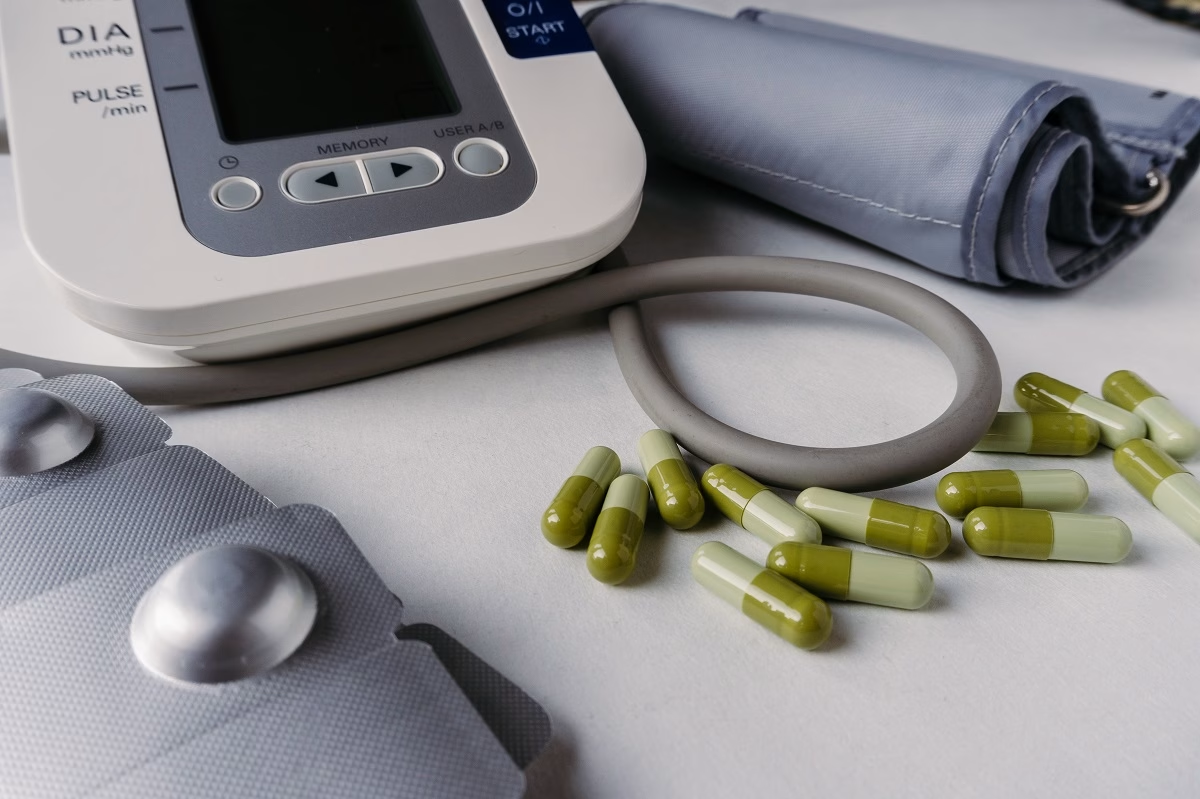
In general, doctors recommend different treatments for people with PH because it depends on several factors. These include the underlying condition, the severity of the PH, overall health, age, and preferences. However, the only disorders that can be treated directly are PAH (pulmonary artery hypertension) and CTEPH (chronic thromboembolic pulmonary hypertension). In other cases, doctors often recommend treatments for the underlying condition. Check below some treatments for PAH:
- Calcium channel blockers – This group of medicines is often prescribed by doctors to reduce blood pressure in the lungs’ arteries and in the whole body.
- Diuretics – These medicines are also called water pills, and they help get rid of excessive fluid from the body.
- Pulmonary vasodilators – These medications are used to widen the pulmonary arteries, which allow more blood to flow through them. As a result, it helps reduce strain on the heart muscle.
Check below also some treatments for CTEPH:
- Anticoagulants (also known as blood-thinners) – These medicines are used to prevent the formation of blood clots.
- BAS (balloon atrial septostomy) – This treatment is often recommended for babies with serious heart defects, but can be used for adults with PH.
- BPA (balloon pulmonary angioplasty) – This procedure involves a catheter and a balloon that is inflated into a blood vessel to keep it widened.
- Medicines – Usually, doctors recommend a soluble Guanylate Cyclase Stimulator (SGCS) to reduce the progression of the disease.
- PEA (pulmonary endarterectomy) – This treatment option is often recommended to remove a blood clot from the lungs. Nowadays, this is the only possible cure for PH, and it is recommended only for people with CTEPH.
Frequently Asked Questions
Can pulmonary hypertension be cured?
While most cases of PH cannot be cured, there is a surgery that can cure pulmonary hypertension in people with CTEPH. In other cases, doctors recommend treatments to reduce the symptoms and improve your quality of life.
Is pulmonary hypertension fatal?
This condition can be fatal, especially if you ignore the symptoms and do not get treatment. For more details, discuss it with your doctor.
What dietary changes should I make?
People with PH usually get specific dietary recommendations. You should avoid the following foods. For example:
- Smoked, cured, salted, and canned meat products
- Do not add salt to the table
- Fast foods
- Processed foods
However, you should add the following foods to your diet. These include:
- Whole grains, bran, fruits, and vegetables
- Dried fruits, bananas, and oranges
- Peanuts, tofu, and broccoli
If you have additional questions, ask your healthcare provider.