
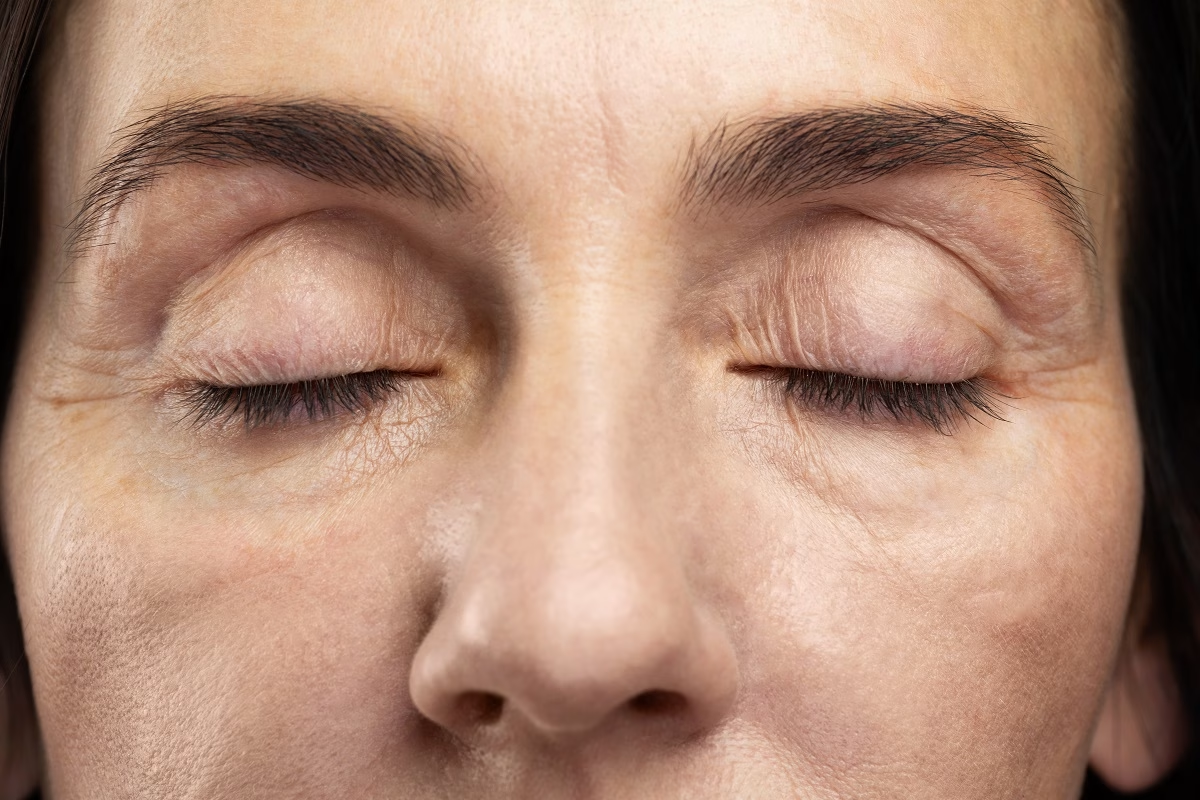
A condition in which the eyelids droop over the eye is called ptosis (drooping eyelids). This is a serious disorder that can impair your vision and cause other complications. While it can be present at birth (congenital), it may occur later in life. If you notice symptoms associated with this disorder, it is advised to see a doctor for a diagnosis and treatment.
Usually, ptosis occurs due to weakness of the muscles that lift the eyelid. Moreover, this condition can affect one or both eyes and affect one eye more than the other. Sometimes, this condition is called blepharoptosis, upper eyelid ptosis, or droopy eyelid.
Types of Ptosis
Healthcare professionals have divided this disorder into 2 categories. For example:
- Congenital ptosis – In such cases, the condition is present at birth. Doctors think it occurs due to certain problems with the development of the levator muscle.
- Acquired ptosis – This type of ptosis often occurs in adults later in life. It often occurs when the levator muscle weakens or separates from the eyelid.
Symptoms
The primary symptom of this disorder is the eyelid that drops over the eye. Usually, it can be seen with the naked eye. However, ptosis can also cause other symptoms. For example:
- Excessive rubbing of the eyes
- Increased tearing
- Reduced or impaired vision
- Achiness and tiredness that occur around the affected eye
- Some children may tip their head back to see (sometimes)
Do not hesitate to visit a healthcare professional if you or your child develops ptosis.
Causes
Commonly, there are multiple causes of ptosis. Sometimes, babies are born with this disorder. However, other people may develop ptosis later in life because the muscles or ligaments that raise the eyelids are weakened by a disease or injury. Less commonly, damage to the levator muscles can cause this disorder. Check below some conditions that may cause ptosis:
- Stye
- Myasthenia gravis
- Horner syndrome
- Tumors
- External ophthalmoplegia
Mostly, the risk of developing ptosis increases with aging because the muscles and skin stretch and weaken as a normal part of aging. In some cases, eye surgeries can speed up these changes and make the disease appear earlier.
What Are The Possible Complications of Ptosis?
To prevent the serious effects of congenital ptosis, the condition should be treated as soon as possible. Otherwise, it may lead to some complications (such as reduced vision). However, a mild form of acquired ptosis usually does not cause vision problems, and most people do not even need treatment. In more severe cases, you can experience any of the following health problems. Examples include:
- Astigmatism – In such cases, the eyelids put pressure on the front of the eye, which can change the shape of your eye. As a result, it distorts the vision.
- Amblyopia – Usually, this disorder is caused by astigmatism and other refractive errors.
- Chin-up position – Children can tilt their chin up to be able to see if they develop ptosis. Therefore, it may lead to neck problems, tightened forehead muscles, and developmental delays.
- Impaired vision
- Muscle fatigue
While this document does not contain all possible ptosis complications, you can consult with your doctor about ways to reduce the risk of developing previous ones. Unfortunately, there is no way to prevent either congenital or acquired ptosis.
Diagnosis
Usually, doctors diagnose this disorder during a physical examination, where they notice a drooping eyelid. When ptosis affects both eyes, it is more challenging to confirm it. You may also be referred to an ophthalmologist for an eye examination and additional tests. These include:
- Ocular motility (eye movement) test
- Visual field testing
- Slit lamp examination
- Tensilon test (during this procedure, doctors use a medicine called Edrophonium or Tensilon to diagnose myasthenia gravis)
Treatment
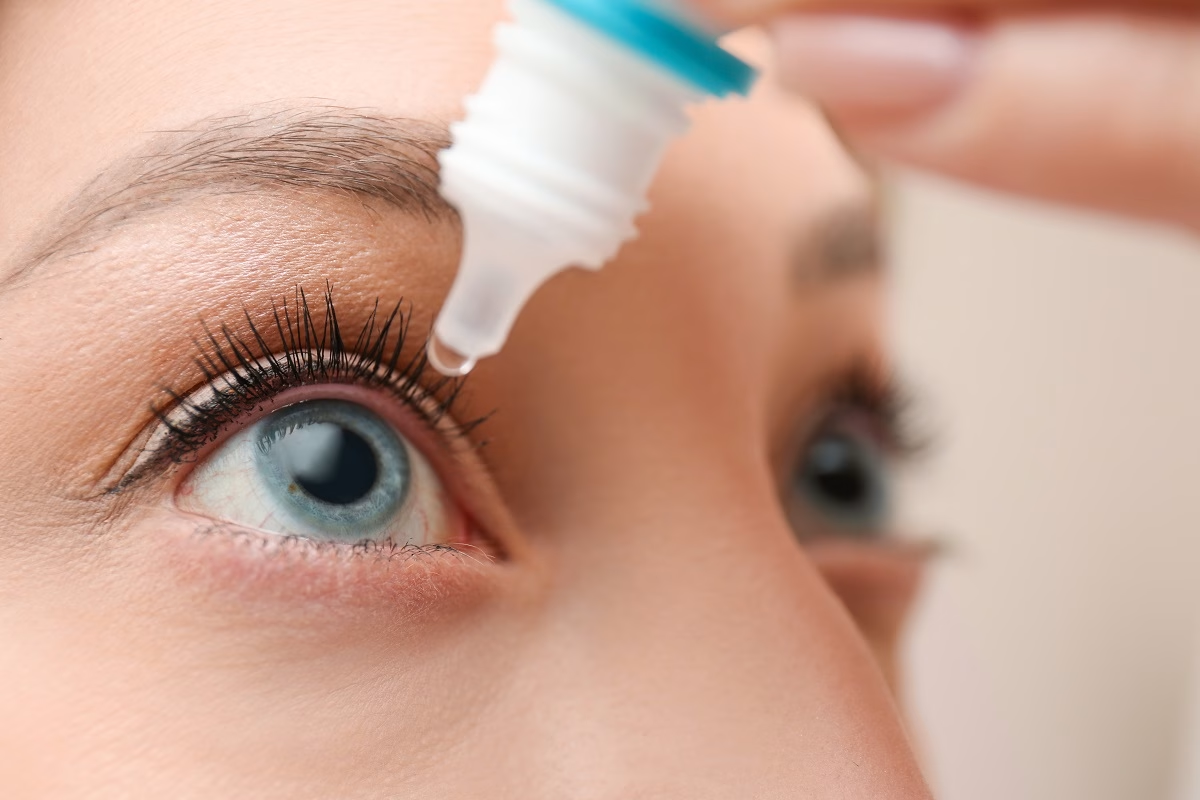
In mild cases, when the condition does not cause problems or bother you, treatment is not needed. However, if you experience vision problems, doctors may recommend eye drops and surgery to treat the symptoms.
Eye Drops
Physicians often prescribe eye drops that contain Oxymetazoline because it targets the levator muscle. After using them, people often are able to open their eyelids wider. To get a better effect, you should use these eye drops regularly (each day), but never use them without a doctor’s recommendation because they do not work for all people with ptosis.
Surgery
Usually, surgeries used to treat ptosis are performed under local anesthesia (you are awake but do not feel the procedure). Check below some types of surgery usually recommended by doctors for people with ptosis:
- The first type involves an opening in the upper eyelid’s skin to find the muscle that raises it. Thereafter, surgeons will place stitches to tighten this muscle and raise the eyelid.
- Another type of surgery that is used to treat ptosis is performed entirely underneath the eyelid. Therefore, there are no skin cuts (incisions).
It is very important to follow the postoperative recommendations of your doctor. You should also see your doctor 7-8 days after surgery to check the results.
Additionally, ptosis treatments can also cause some complications. While some of them disappear over time, some of them may need medical attention. Check below some examples:
- Bleeding
- Infections
- Damage to the cornea
- Recurrent ptosis
- Incomplete or unusual closure of the eyelids
Frequently Asked Questions
What can I expect if I have ptosis?
In general, the prognosis of this disorder depends on the severity of the condition, your age, existing health problems, and other factors. However, most surgeries successfully correct drooping eyelids.
When should I see my healthcare provider?
It is advised to see a doctor if the condition causes problems with your vision. You should also contact your physician if the disorder affects your appearance and it bothers you, one eyelid suddenly begins to droop or close, or you experience pain or double vision. It is important to see a pediatrician if you notice your child has signs of ptosis. Early diagnosis and treatment can prevent serious vision problems.
What is ptosis caused by?
There are multiple factors and conditions that may cause ptosis. It also depends on the type of ptosis and other factors. Check below some of them:
- Aging
- Ocular nerve damage
- Trauma
- Surgery complications
- Prolonged contact lens use
- Myasthenia gravis
- Horner’s syndrome
This document does not contain all possible causes of ptosis. If you have additional questions, ask your healthcare provider.