
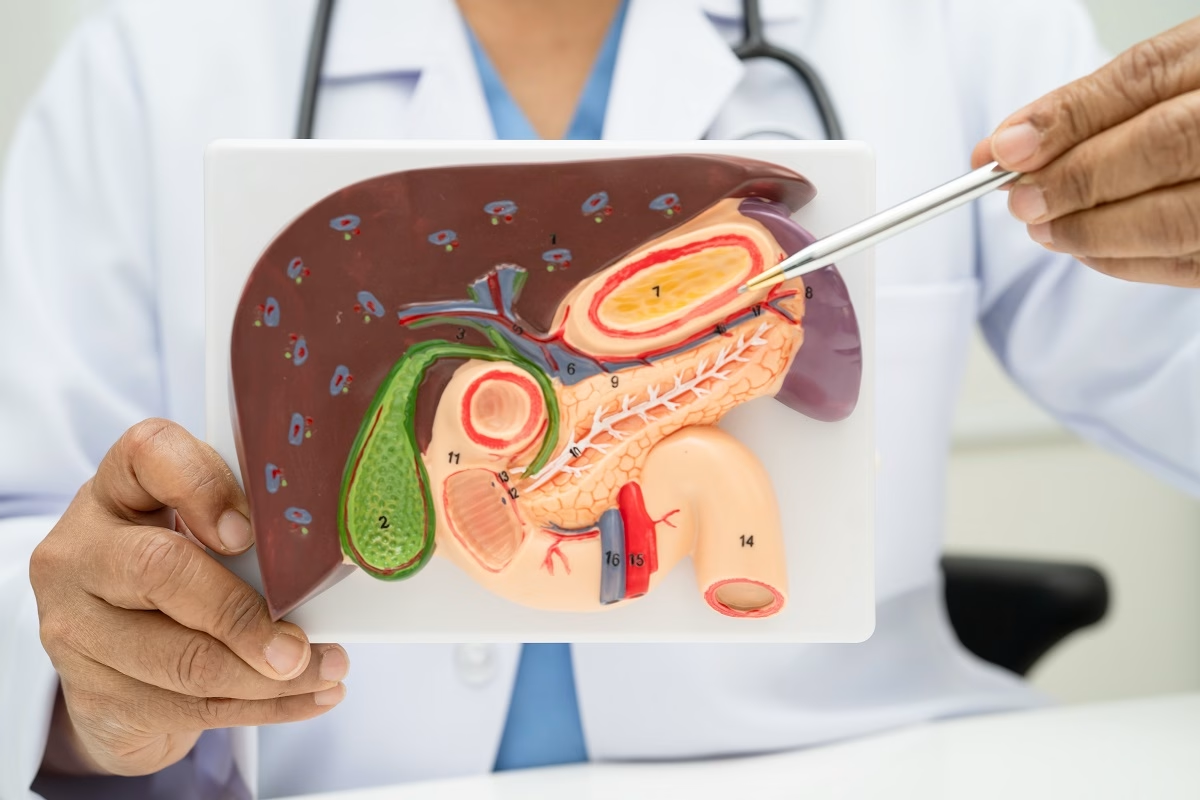
A long-term (chronic) and progressive disorder in which inflammation causes damage to the bile ducts that go through the liver is called primary biliary cholangitis (PBC). If the bile ducts do not work properly, the bile may flow backward in the liver, causing damage to the liver. While with medicines you can delay or prevent this condition (sometimes), PBC can lead to cirrhosis.
In other words, this is a liver condition that negatively affects the bile ducts. When the bile returns into the liver and causes damage, gradually healthy tissue is replaced with scar tissue. Scarring reduces the liver’s ability to function properly. Formerly, this condition was known as primary biliary cirrhosis.
How Does Primary Biliary Cholangitis Affect My Body?
People who develop this condition also experience chronic inflammation that gradually degrades the body’s tissue. While temporary inflammation is a normal part of the healing process, long-term inflammation can cause damage and form scar tissue in the liver.
What is The Difference between Primary Biliary Cholangitis vs. Primary Sclerosing Cholangitis?
These disorders are very similar, but there are some differences. One of them is that PBC negatively affects only the intrahepatic bile ducts (ducts that go through the liver). However, primary sclerosing cholangitis (PSC) impacts all bile ducts (including extrahepatic ducts). Furthermore, these disorders tend to affect different populations, and for PSC, there is no effective treatment.
Symptoms
Usually, people do not have symptoms in the early stages of the disease. When the condition progresses, it may cause the following symptoms. Check below for the most common symptoms of PBC:
- Fatigue
- Itchy skin
- Dry eyes and mouth
- Abdominal (belly) discomfort
- Splenomegaly (enlarged spleen)
- Diarrhea
- Unusual weight loss
- Night sweats
- Fever
The symptoms of PBC can occur later or earlier, and they can be mild to severe at any stage. According to some research, if a person experiences severe symptoms in the early stages of the disease, it may lead to a faster progression overall.
Causes
In people with this disorder, the immune system mistakenly attacks the cells lining the intrahepatic bile ducts, which causes inflammation. These disorder in which the immune system attack healthy cells are known as autoimmune disorders. In such cases, the immune system produces antibodies to destroy healthy cells without any reason.
Nowadays, experts do not know what exactly causes autoimmune disorders, but they think there is a combination of genetic and environmental factors. Furthermore, infections and prolonged exposure to chemicals can also play a role.
Risk Factors
While there is no way to determine what causes PBC, doctors have identified some factors that could increase your risk. For example:
- Sex – Females are more prone to PBC than males. In the U.S., this condition affects about 60 females per 100,000 and 15 males per 100,000.
- Age – The most diagnosed cases are after the age of 40.
- Family history – If you have a parent or sibling with an autoimmune or genetic disorder, your risk of developing PBC significantly increases.
- Ethnicity – This condition mostly occurs in people of northern European descent.
- Smoking
- Infections – For example, urinary tract infections (UTIs)
- Multiple pregnancies
What Happens if Primary Biliary Cholangitis is Left Untreated?
Usually, people do not have any signs of the disease in the early stages. However, when the condition advances, the bile cannot flow and may begin to leak into the bloodstream. In advanced stages of this condition, scar tissue in the liver impacts blood vessels that pass through it, causing portal hypertension.
Fat Malabsorption
The following complications often occur when the digestive system does not get enough bile to break down fats. Check below some examples:
- High blood cholesterol
- Weight loss
- Fatty stool or diarrhea
- Fast deposits under the skin
- Osteoporosis (brittle bones)
- Reduced levels of fat-soluble vitamins A, D, E, and K
Portal Hypertension
In more severe cases, scar tissue can cause damage or obstruction of the blood vessels that go through the liver. As a result, it leads to portal high blood pressure (hypertension) in the affected veins. Therefore, this disorder can also cause other health problems. These include:
- Enlarged spleen (splenomegaly) or liver (hepatomegaly)
- Thrombocytopenia (easy bruising and bleeding)
- Weakened immune system, which makes you more prone to infections and colds
- Spider angiomas (these are spiderlike and red blood vessels under the skin’s surface)
- Ascites (buildup of fluid in the abdominal area)
- Mental confusion
- Edema (swelling that affects the lower part of the body)
- Gastrointestinal bleeding
- Varices (swollen veins) in the esophagus and abdomen (belly)
Diagnosis
First, doctors will evaluate your medical history. Therefore, they can also perform a physical examination to check for abnormalities linked to the disease. However, to confirm or rule out primary biliary cholangitis, physicians often perform some tests. These include:
- Blood tests – These tests are done to check for antibodies that are associated with PBC (especially antimitochondrial antibody, also known as AMA). Doctors can also perform a blood test to check for increased liver enzymes that indicate liver stress (especially alkaline phosphatase).
- Imaging tests – If you get positive test results for PBC, doctors may perform some imaging tests to get more details about the liver and biliary system. It helps rule out other possible causes and the stage (extent) of the disease. They often perform an abdominal ultrasound or MRI (magnetic resonance imaging) to get more detailed images.
- Liver biopsy – Approximately 5% of people with this disorder test negative for AMA but continue to experience symptoms. In such cases, doctors will perform a liver biopsy. During this procedure, doctors use a needle to get a sample of the liver for testing.

Treatment
Doctors usually recommend the following treatment options to relieve the symptoms and improve your quality of life. Examples include:
Medicines
While the following medicines cannot cure PBC, they can improve the symptoms. For example:
- Ursodeoxycholic acid (UDCA) – This is a type of bile salt that helps clear bile from the liver and prevent serious damage to the liver. It works well for 50% of people with PBC (especially in the early stages). When this medicine does not work, physicians may recommend another bile salt (Obeticholic acid) or certain newer medications, including Seladelpar and Elafibrinor.
- Antihistamines – This group of medications is used to reduce itching. Doctors usually recommend Diphenhydramine.
- Ultraviolet light therapy
- Bile acid sequestrants (such as Cholestyramine)
- Stimulants to help with fatigue (such as Modafinil)
- Vitamins – These supplements can help reduce the risk or even prevent adverse reactions and vitamin deficiencies that may cause serious complications.
Surgery
Healthcare professionals may put you on the liver transplant waiting list if the medicines listed above do not help. Unfortunately, PBC can return even after a successful liver transplant because it is an autoimmune disorder. However, the second time, this condition tends to be milder.
Frequently Asked Questions
How long can you live with primary biliary cholangitis?
In most cases, it takes 15 to 20 years for PBC to progress to end-stage. Furthermore, the early stage of this condition can last a long time. Approximately 50% of people with PBC begin to experience symptoms between 5 and 10 years after diagnosis. In general, the average life expectancy is about 10 years.
How do I take care of myself while living with PBC?
Physicians can also recommend some lifestyle changes to keep your liver healthy as much as possible. These include:
- Stop smoking – If you face difficulties with smoking cessation, discuss it with your healthcare professional.
- Avoid alcoholic beverages
- Dietary changes – You should limit or avoid foods high in saturated fats, sugar, and salt, and add to your diet whole grains, fresh fruits, and vegetables.
- Regularly perform physical exercise
Is primary biliary cholangitis serious?
This is a long-term and progressive liver disease. It means the condition cannot be cured and that it worsens over time. In most cases, PBC progresses gradually through a few stages. Fortunately, there are multiple treatments that can help slow the progression of this disease. Ask your healthcare provider if you have additional questions.