
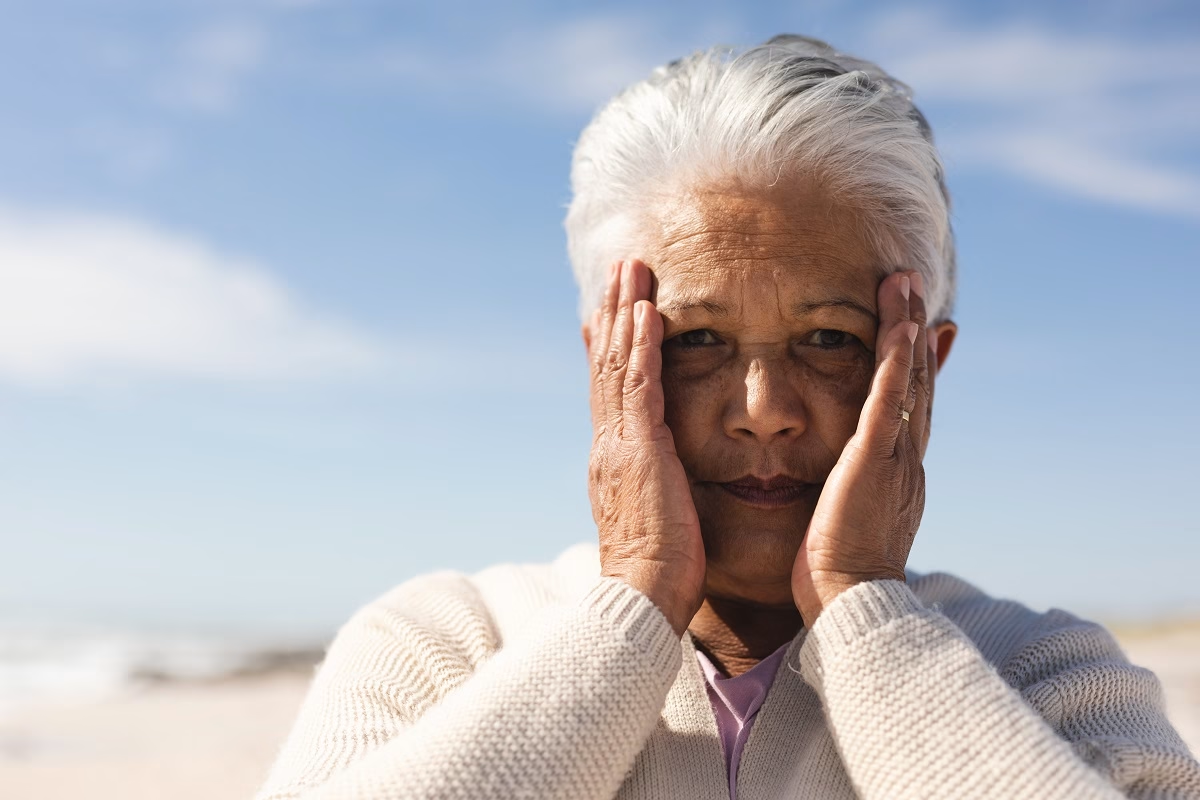
The time after you have been without a menstrual period for 1 year (12 months) is called postmenopause. This period lasts for the rest of your life. Some people can experience hot flashes that come and go. However, people in postmenopause are at increased risk for heart disease and osteoporosis (bone loss). Usually, doctors recommend medicines and lifestyle changes to relieve the effects of these disorders.
Furthermore, at this stage of life, you are no longer ovulating (or releasing eggs). The menopause symptoms (such as night sweats and hot flashes) are usually mild or go away completely in postmenopause.
At what Age is Postmenopause?
In general, there is no exact age when this part of life occurs. Usually, it is considered that a person has entered the postmenopause when the menstrual periods are missing for at least 12 months consecutively. Most women enter postmenopause around age 52.
Symptoms
While most people in postmenopause still experience menopause symptoms, they tend to be milder. These symptoms continue to occur due to reproductive hormones that are still released in the bloodstream. Sometimes, people do not experience any symptoms in postmenopause. Check below for the most common symptoms of the postmenopausal period:
- Dry skin
- Weight changes
- Hair loss
- Urinary incontinence
- Sleep disturbances (insomnia)
- Reduced sex drive (low libido)
- Mental health problems (such as depression or anxiety)
- Vaginal dryness
- Painful intercourse
- Hot flashes and night sweats
It is advised to see a doctor if any of the previous symptoms are intense and interfere with your daily activities.
What Causes Postmenopausal Bleeding?
In some cases, people can experience vaginal bleeding, which is not a normal adverse reaction to reduced hormone levels. However, in some cases, vaginal dryness can cause some light bleeding or spotting after sexual activity. If vaginal bleeding occurs without an obvious reason, it is important to see a doctor because it may indicate the following disorders. Examples include endometrial hyperplasia, uterine fibroids, endometritis, or cancer.
What Are The Potential Complications of Postmenopause?
Some people in postmenopause can also experience some serious complications, including cardiovascular disease, genitourinary syndrome of menopause (also known as vaginal atrophy), and others.
Osteoporosis
This is a serious complication that causes you to lose bone density faster after menopause. It occurs due to reduced levels of Estrogen in the blood. On average, people lose about 25% of bone density after menopause (about 1% to 2% per year). Thus, it significantly increases the risk of bone fractures. However, there is a test that helps determine how much Calcium you have in some parts of the bones. It is called bone densitometry, and it often helps identify osteopenia and osteoporosis.
In general, there are some tips that can help reduce the risk or even prevent this serious complication. For example, eat foods high in Calcium (including cheese, yogurt, spinach, or fortified cereals), Calcium supplements, and vitamin D supplements.
Cardiovascular Disease
People before menopause have a reduced risk of cardiovascular disease because the body is still producing enough Estrogen that provides protection against these disorders. However, in postmenopausal women, the Estrogen levels are reduced, which makes them more likely to develop a heart attack (myocardial infarction), heart disease, stroke, and others. Furthermore, in postmenopause, people can also experience hypertension (high blood pressure), high cholesterol, and other health problems.
The best way to reduce the risk of previous disorders is to adopt a heart-healthy diet, perform regular physical activities, and quit smoking. If you have problems with smoking cessation, discuss it with your healthcare professional. Your doctor may also recommend some medicines to manage high cholesterol, diabetes, and hypertension that eventually help reduce the risk of developing cardiovascular conditions.
Genitourinary Syndrome of Menopause
This complication occurs due to reduced Estrogen production. It causes vaginal thinning and dryness that can last for years in postmenopausal women. Commonly, doctors recommend using vaginal lubricants to relieve these symptoms. In some cases, Estrogen deficiency can also negatively affect the urinary tract and bladder, causing urination problems. If you experience any of the previous symptoms, contact your doctor.
Mental Health Problems
Most people in the postmenopausal period experience moodiness, anxiety, or even depression. These mental health problems are caused by stress, sexual tension, or other life difficulties. Some people may feel sad because their reproductive years have passed. However, hormone levels can also affect your mood. Usually, these problems are addressed with a therapist or counselor.
Diagnosis
Usually, doctors tell you if you are in postmenopause based on the symptoms and how long you have not had menstrual periods. Sometimes, they can perform a blood test to check the levels of Estrogen in the blood. It usually helps confirm you have gone through menopause.

Treatment
The primary treatment for the effects caused by the postmenopausal period is hormone therapy (HT). However, doctors often recommend this treatment option within 10 years of menopause or for people under 60 years old because there are some health risks associated with HT. For example, blood clots, breast cancer, or stroke. Check below some medicines often recommended by doctors for people in postmenopause:
- Antidepressants – These medicines are used for mood swings, depression, or hot flashes.
- Vaginal creams are used to relieve pain during sexual intercourse and ease vaginal dryness.
- Gabapentin or Fezolinetant – These medicines are used to relieve hot flashes.
- Oxybutynin – Doctors usually recommend this medication to treat hot flashes when other options do not help.
Home Remedies
The following remedies can help ease the symptoms and improve your quality of life. Physicians usually recommend them along with the previous treatments. Check below some examples:
- Vaginal lubricants to ease pain during sexual activity and ease vaginal dryness
- Regular physical exercise (including yoga and lifting weights) to strengthen the bones and muscles. It also helps keep a healthy weight, which may reduce the risk of depression.
- Adopt a healthy diet, including fresh fruits, vegetables, lean meats, and whole grains. It is also important to limit the amount of salt, sugar, and alcohol.
- Getting and maintaining a healthy weight also helps reduce the risk of cardiovascular diseases, diabetes, and other serious disorders.
- Practice relaxing activities because they help with depression and other adverse reactions of postmenopause.
Frequently Asked Questions
Can you get pregnant after menopause?
Usually, if the menstrual periods are absent for years, you are no longer able to get pregnant. However, in some cases, you should take birth control until your doctor has confirmed that ovulation has stopped.
Do people in postmenopause lose interest in sex?
Not every time, some people may lose interest in sex due to vaginal dryness and pain during sexual activity. However, you should manage these problems, such as using vaginal lubricants. Sometimes, people may have a low libido due to other side effects of postmenopause, such as tiredness, depression, and others. If these problems bother you, do not hesitate to see a doctor.
How long does postmenopause last?
Once people enter the postmenopausal period, it will last for the rest of their lives. Moreover, hormone levels will remain reduced, and the menstrual periods that occur monthly will stop. It often indicates you cannot get pregnant because the ovaries no longer release eggs. Ask your healthcare provider if you have any other questions.