
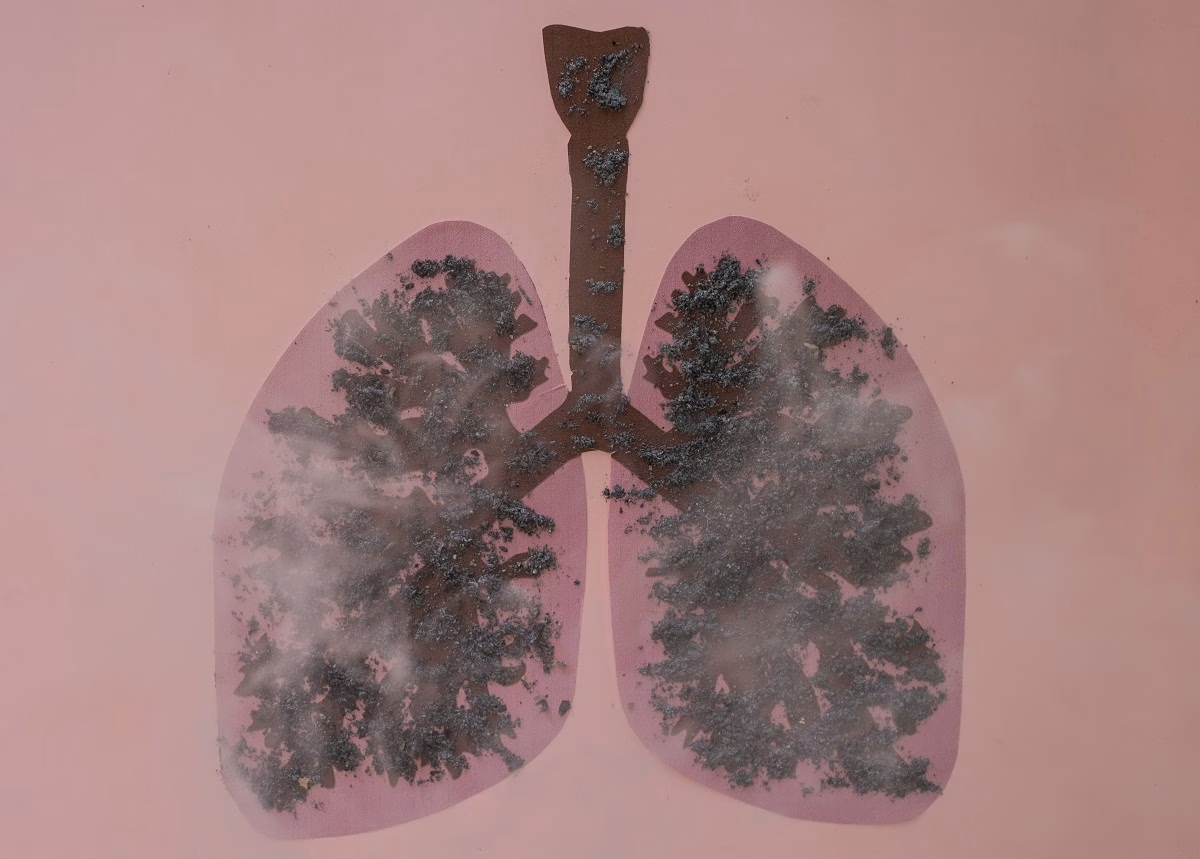
This is a health condition in which the lung tissue becomes inflamed. It is called pneumonitis and is often caused by chemicals, allergens, some treatments, diseases, and others. In general, this condition is treatable, but if you leave the condition untreated, it can lead to permanent damage to the lungs.
Furthermore, this disorder negatively affects your breathing and can appear when a foreign substance enters the lung and irritates the alveoli (small air sacs in the lungs). Pneumonitis can occur in 3 ways. For example:
- Acute – In such cases, inflammation develops suddenly but lasts a short time.
- Subacute – People with subacute pneumonitis may notice the inflammation progresses gradually and steadily.
- Chronic – If you develop this form of the disease, it often cannot be cured, and treatment focuses on relieving the symptoms and improving your quality of life.
It is important to understand that pneumonitis is a serious condition that can cause irreversible damage to the lungs without treatment.
Types of Pneumonitis
Experts have divided this condition into different categories based on their cause. For example:
- Acute interstitial pneumonitis – This type of pneumonitis often occurs suddenly, and the symptoms can quickly get worse. Nowadays, healthcare professionals do not fully understand what exactly causes it.
- Chemical pneumonitis – This type often appears when a person inhales chemicals that are often present in household or workplace products, including chemicals in imaging tests, chlorine gas, gasoline, and smoke.
- Hypersensitivity pneumonitis – This is a type of allergy that occurs when you inhale (breathe in) antigens, such as bacteria, dust, mold, or small scales from animal skin, hair, or feathers (dander).
- Radiation pneumonitis – In such cases, people can develop this disorder after radiation therapy used to treat cancer.
Symptoms
Usually, people with pneumonitis experience the following symptoms. Examples include:
- Chest pain
- Dyspnea (shortness of breath)
- Dry cough
- Extreme tiredness (fatigue)
- Fever
- Flushed skin
- Sweating
Moreover, if you develop a chronic form of this disease, it may also lead to additional symptoms. These include unusual weight loss, cyanosis, and others. If any of the previous symptoms occur, immediately contact your healthcare professional.
Causes
This condition can occur due to multiple causes. Check below the most common of them:
- Animals – Animal feathers, fur, and skin can contain allergens that trigger this condition.
- Bacteria – There are some bacteria that often appear in humidifiers, hot tubs, and heating and air conditioning systems that can also cause pneumonitis.
- Certain medications – These include Aspirin, antibiotics (including Sulfonamides and Nitrofurantoin), heart medicines (such as Amiodarone), and chemotherapy drugs.
- Molds – For example, mild that often grows on hay, straw, grains, cheese, mushrooms, and sugar cane.
- Radiation therapy – Pneumonitis can also occur after whole-body or chest radiation therapies used to treat some types of cancer. These include breast cancer, lung cancer, and others.
While the condition itself is not contagious, bacteria and viruses that can cause it can spread from one person to another.
Risk Factors
While this disorder can affect anyone, some factors could increase your risk of developing it. Check below some examples:
- Working around animals, including veterinarians, farmers, zookeepers, and pet store employees
- Medical disorders (such as preexisting lung disease, weakened immune system, and others)
- Cancer treatments (including chemotherapy and radiation therapy)
- Environmental factors (such as living in a home with mold)
- Genetic factors
- Prolonged exposure to airborne irritants (including bacteria, mold, animal dander, or chemicals)
- Lifestyle choices (for example, misuse of alcoholic drinks and illegal drugs, which can weaken the immune system)
- Age – Young children and older adults are more likely to develop pneumonitis.
What Are The Long-term Effects of Pneumonitis?
People with pneumonitis can also experience some complications, especially if they do not get treatment. Check below some examples:
- Pulmonary fibrosis – This is a condition in which scars develop in the lungs. As a result, it becomes difficult to breathe and, without treatment, can lead to death.
- Pulmonary hypertension – This complication causes high blood pressure in the arteries that carry blood from the heart to the lungs.
- Heart or respiratory failure
- Impaired oxygenation
- Sepsis
- Pleural effusion
- Empyema
This article does not contain a complete list of pneumonitis complications. However, you can talk with your doctor about measures to reduce the risk of developing them.
How to Prevent Pneumonitis?
One of the best ways to prevent this condition is to reduce exposure to substances that cause the lungs to become inflamed. Check below some tips that may help:
- Protective equipment – For example, an N95 mask that filters the air you breathe.
- Regular cleaning and sanitizing of heating and cooling systems, humidifiers, and hot tubs.
- It is also recommended to run a HEPA (high-efficiency particulate) air filter in the home to remove all airborne allergens.
- Regularly vacuuming carpets, rugs, and other surfaces to remove animal dander, dust, and other potential irritants.
Diagnosis
Physicians usually begin the diagnosis of pneumonitis with a physical examination in which they listen to the lungs using a stethoscope (auscultation) and may ask some questions about the symptoms and medical history. However, to confirm or rule out pneumonitis, they often perform several tests. These include:
- Allergy blood test – Doctors usually use a small needle to get a blood sample for testing. It helps identify specific allergens.
- Bronchoscopy – During this procedure, doctors give the patients a sedative to relax. Thereafter, they will insert a small tool with a camera (bronchoscope) to examine the lungs.
- Imaging tests – The following tests are used to get detailed images of different structures and organs in the body (including the lungs). They often perform chest X-rays, CT (computerized tomography) scans, and others.
- Lung biopsy – In this test, doctors will take a small sample of the lungs for testing.
- Pulmonary function test – During this test, doctors will measure how many breaths you take in a minute.
- Pulse oximetry – This is a specific device that is attached to your finger to measure oxygen levels in the blood.

Treatment
Usually, doctors recommend different treatments for people with pneumonitis. Generally, the treatment depends on several factors, including the severity of the condition, existing health problems, age, and preferences. Check below some treatments often recommended by doctors for people with pneumonitis:
- Immunosuppressants and Corticosteroids – These medications are used to reduce inflammation in the lungs, which can ease the symptoms. They often prescribe Prednisone, Mycophenolate, or Azathioprine.
- Antifibrotic medicines – Doctors usually recommend Pirfenidone or Nintedanib to slow down scarring in the lungs.
- Pulmonary rehabilitation – This involves an exercise plan that helps strengthen the lungs.
- Oxygen therapy – This option is often recommended for people who experience breathing problems.
- Lung transplant – This procedure is prescribed for people with an end-stage disease and when previous treatments do not work.
Frequently Asked Questions
How soon after treatment will I feel better?
The recovery time varies among people because it depends on the type and severity of the condition. While some people recover within a few months, sometimes, pneumonitis can cause permanent damage to the lungs, which is lifelong.
When should I go to the ER?
Immediately call 911 or go to the nearest emergency room (ER) if you feel you are not able to get enough air into your lungs.
What is the main cause of pneumonitis?
People usually develop pneumonitis when inhaling irritants, including molds, bacteria, and dust. Ask your healthcare provider if you have additional questions.