
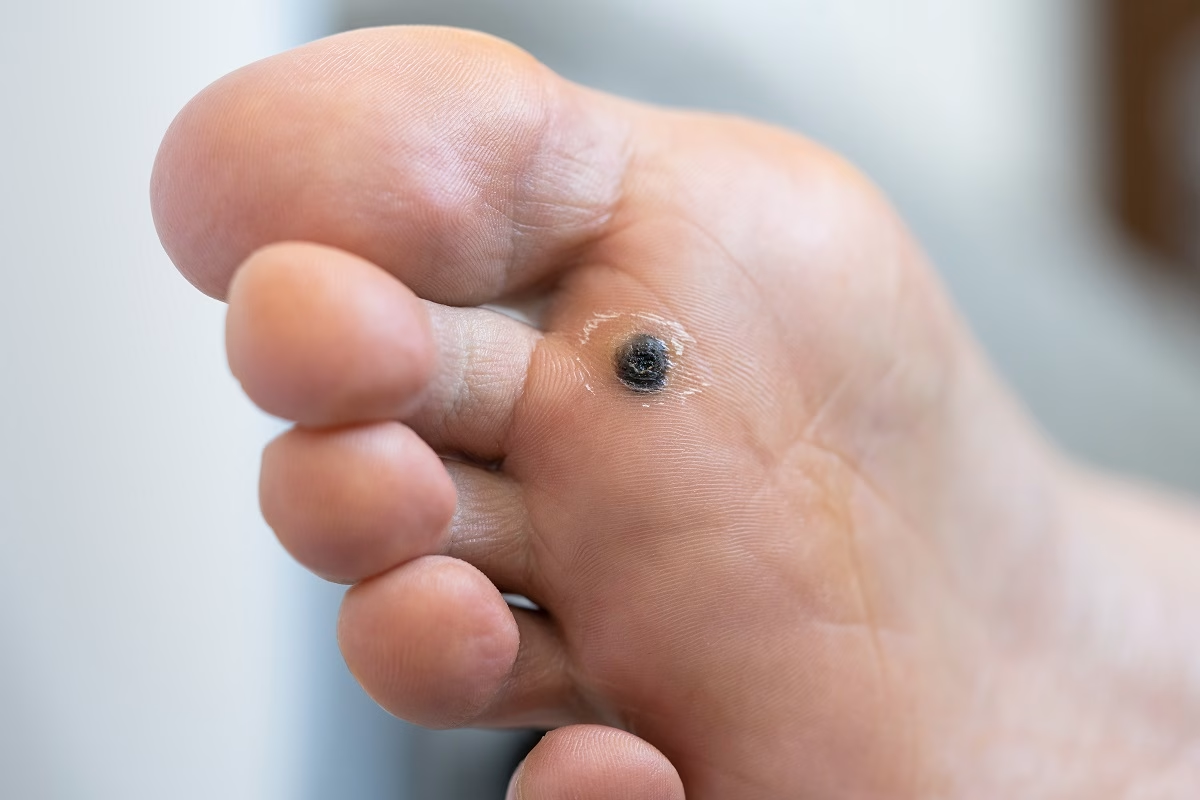
A type of skin infection that causes rough bumps on the feet, which can be uncomfortable and painful, is called plantar warts. This condition is caused by human papillomavirus (HPV). Usually, it is treated with home remedies, medicines, and therapies.
In other words, plantar warts (verruca plantaris) are noncancerous (benign) bumps that appear on the soles of the feet. HPV often enters the body through small breaks or cuts in the skin that eventually cause an infection.
This skin infection occurs quite commonly, and it affects about 10% of people. Furthermore, between 10% and 20% of children and teenagers also suffer from this infection.
How Do Plantar Warts Affect My Body?
This disorder causes certain painful bumps that can affect how you stand, walk, or run. People who ignore the symptoms and do not get treatment can notice that their natural posture or movement may cause discomfort, pain, or stress in the muscles, tissues, or joints in the ankles and feet. It is very important to get treatment for this skin infection as it can also cause mental health problems. Some people may feel self-conscious about their appearance and can avoid going barefoot or wearing certain types of shoes or footwear. Usually, people experience stress, anxiety, or even depression.
Symptoms
People who develop plantar warts often experience the following symptoms. For example:
- Thick and rough surface that looks similar to cauliflower
- Discoloration (dark pink, yellow, brown, purple, or gray)
- Sometimes, these bumps can look similar to other types of warts
- Pain
- Tenderness and discomfort
- Bleeding
Usually, plantar warts appear on, around, or between the toes, on the forefeet (the balls of the feet), or on the heels. In rare cases, people can develop multiple plantar warts in a large cluster (a mosaic wart).
Causes
This type of wart is caused by the human papillomavirus that enters the body through small cuts or breaks in the skin. This virus causes an infection that eventually leads to a plantar wart. Commonly, it takes 2 to 6 months after exposure to HPV for plantar warts to appear.
You should also know that these warts are contagious and can spread from one person to another through skin contact or by sharing personal items (such as shoes, socks, and towels). Furthermore, people with plantar warts can even infect themselves by touching a plantar wart and then another part of the body.
In addition, HPV can also spread to other people through surfaces (especially if they are warm and wet). That’s why it is recommended to wear shoes or flip-flops at the public pool, sauna, steam rooms, or other places.
What Are The Long-term Effects of Plantar Warts?
If you ignore the symptoms and do not get treatment, it may lead to some complications. Check below some examples:
- Pain
- Walking and posture changes
- Secondary pain
- Bleeding and irritation
- Social embarrassment
- Emotional distress
- Spreading the virus (HPV is contagious and can pass to other people)
This article does not contain all possible complications of this skin infection. In any case, you can consult with your healthcare professional about ways to reduce the risk of plantar wart complications.
How to Prevent Plantar Warts?
In general, there are multiple ways to reduce the risk of this skin infection. Check below some tips:
- Do not touch plantar warts on yourself or other people.
- Regularly wash your hands with warm water and antibacterial soap, especially after touching a plantar wart.
- Thoroughly clean your feet, toes, and the space between them when you bathe.
- Dry the feet, toes, and the space between them after bathing or swimming.
- Avoid sharing your personal items, such as towels, washcloths, shoes, socks, nail clippers, or others.
- Get HPV vaccine
- Wear sandals in the public locker rooms, pools, saunas, and other public places.
- Disinfect the shoes regularly with sprays or wipes
Diagnosis
Usually, doctors diagnose plantar warts by examining the bumps on the feet. Sometimes, they can perform a biopsy to test for HPV. During this test, doctors will get a small sample of the bump and test it in the laboratory. In general, the biopsy results often come in a few days.
Treatment
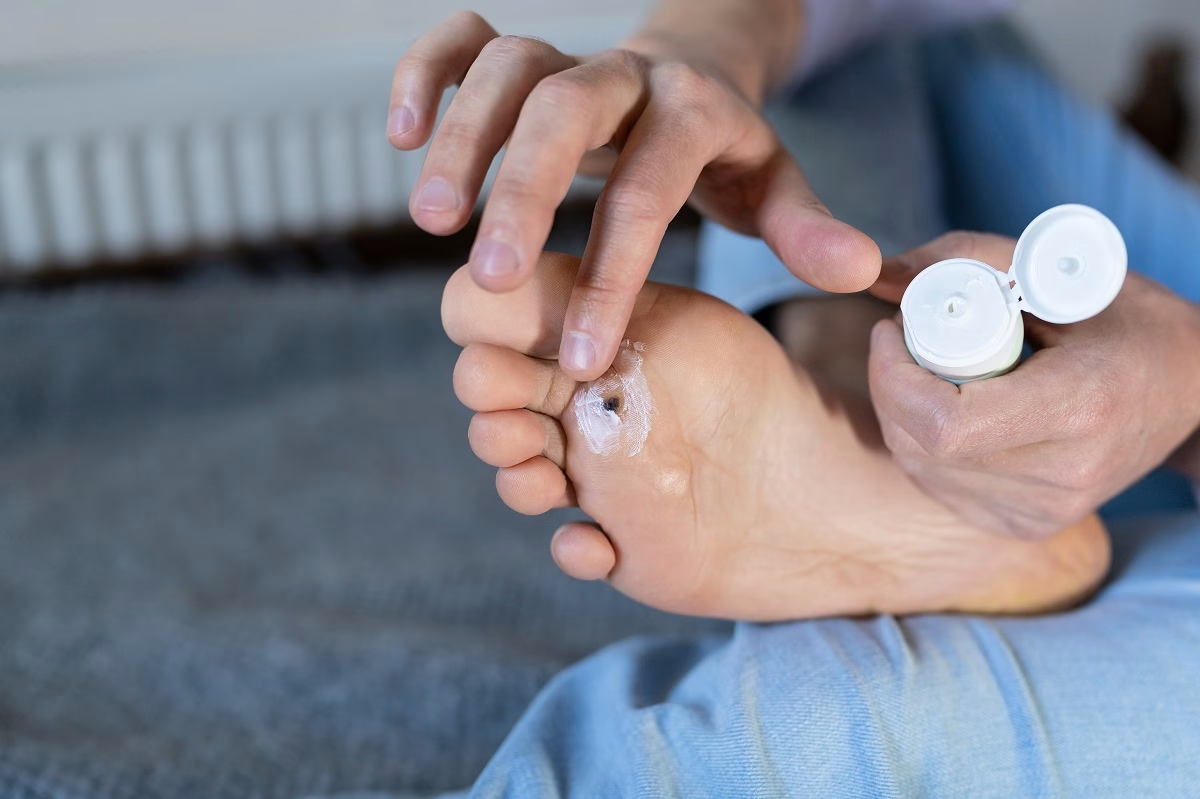
While this infection can disappear on its own after the immune system fights off the infection, doctors usually recommend treatment because it can spread to other people. Check below some treatments often recommended for people with plantar warts:
- Cryotherapy – This treatment involves cold to freeze and destroy these warts. Doctors often use argon gas or liquid nitrogen to produce severe cold.
- Immunotherapy – This treatment involves a topical chemical (such as Dyphencyprone or DCP) to help the immune system fight HPV. Some people can experience a mild allergic reaction that helps treat plantar warts.
- Laser treatment – This option uses laser light to heat and destroy small blood vessels that supply a plantar wart with blood. As a result, it begins to die.
- Electrocautery – During this procedure, doctors use electric current to burn plantar warts.
- Topical medications – This is a liquid medication that contains the chemical Cantharidin. It helps destroy plantar warts by cutting the blood supply to them. Thereafter, doctors will remove a dead plantar wart after about 7 days.
- Surgery – This treatment is often recommended when other treatments do not work or when you develop a severe form of plantar warts. During this procedure, surgeons will use a local anesthetic and a sharp surgical tool (scalpel) to remove the wart.
Home Remedies
Doctors can also recommend some home remedies to improve the effectiveness of the treatment. Check below some examples:
- Duct tape – This is used to remove layers of plantar warts. It is usually worn for a few weeks, which allows you to scrape out the plantar warts with an exfoliating tool.
- Salicylic acid – This medicine is used to break down layers of thick skin, which allows you to scrub or pull out the plantar wart. Doctors often recommend a higher percentage of Salicylic acid (20% to 40%).
- Apple cider vinegar – This product contains Acetic acid that kills bacteria and naturally exfoliates the skin. It is often used at least twice a day for a few weeks.
Frequently Asked Questions
Who can get plantar warts?
While anyone can get HPV and develop this skin infection, some people are at increased risk of developing it. Examples include children, teenagers, and older adults (over 65 years old), people with autoimmune disorders or weakened immune systems, and white people.
Are plantar warts an STD?
No, this skin infection is not a sexually transmitted infection (STI or STD) because it is caused by HPV. Usually, plantar warts occur in people who get the following types of HPV (including 1, 2, 3, 4, 27, and 57). However, if you get the 6 and 11 types of HPV, you can develop genital warts.
When should I see my healthcare provider?
It is advised to visit a healthcare professional if your plantar wart:
- Looks infected (pus-filled, tender, or discolored)
- Changes colors
- Itches
- Bleeds or breaks open
If you have additional questions, ask your healthcare provider.