

A health condition that negatively affects the brain, heart, arteries, and eyes in children and causes hemangiomas (noncancerous or benign growths on the skin made of blood vessels) is called PHACE syndrome. Usually, hemangiomas appear on the child’s neck and face. Furthermore, this disorder can cause severe symptoms and life-threatening complications. Do not avoid visiting a healthcare professional if you notice symptoms that resemble PHACE syndrome.
Furthermore, this is a congenital condition, meaning it is present at birth. However, it is very rare for children with PHACE syndrome to develop multiple abnormalities. Usually, they experience hemangiomas, cerebrovascular defects, and heart defects.
In addition, PHACE is an acronym where each letter describes developmental abnormalities associated with this syndrome. For example:
- P (posterior fossa) – This is a small part of the baby’s brain that is responsible for balance, coordination, and breathing. Hence, PHACE syndrome causes abnormalities in this area of the brain.
- H (hemangioma) – This stands for a noncancerous (benign) growth made of blood vessels. It often appears on the child’s neck, face, or scalp.
- A (arterial abnormalities) – The congenital defects present in people with PAHCE syndrome negatively affect the arteries (usually in the head or neck). As a result, the blood flow to the brain is reduced.
- C (cardiac abnormalities) – For example, a narrowed aorta that may lead to hypertension (high blood pressure) and blood flow problems.
- E (eye abnormalities) – This can cause reduced vision or even vision loss (blindness).
- S (Sternal clefting) – This letter stands for abnormalities in the breastbone that may cause shortness of breath (dyspnea), chest pain, and other problems.
Sometimes, this condition is called PHACES syndrome.
Symptoms
In general, people with PHACE syndrome experience different symptoms because it depends on which part of the body is affected. Check below some examples:
- Hemangiomas – Discolored growths that consist of blood vessels and appear only on the skin. They often affect the scalp, trunk, arms, and hands. However, if these hemangiomas grow on the internal organs, they can cause hearing or vision loss.
- Brain problems – Children with PHACE syndrome can develop problems with balance and coordination because it affects a part of the brain responsible for these functions. Some people may also experience involuntary movements and intellectual disabilities.
- Heart issues – They may also experience muscle weakness, trouble breathing, high blood pressure, irritability, and sweating. Sometimes, babies may develop a hole in the heart (ventricular septal defect).
- Arterial abnormalities – They can cause seizures, aneurysms, stroke, reduced oxygen to the brain or other parts of the body, and other symptoms.
- Eye problems – These include double or blurred vision, poor vision, and even blindness (vision loss).
- Breastbone problems – While it occurs rarely, PHACE syndrome can cause a missing or underdeveloped breastbone (also known as the sternum).
Immediately contact your healthcare provider if your child experiences any of the previous symptoms.
Causes
Healthcare providers do not know what exactly causes PHACE syndrome. However, they think there is a combination of genetic mutations and environmental factors. While the exact genetic variant is not well understood, some experts believe it is a random genetic mutation that occurs at conception.
What Happens if PHACE Syndrome is Left Untreated?
Those who develop this syndrome are also at increased risk of certain complications due to abnormalities of the organs it affects. Check below some complications:
- Problems with balance and coordination
- Dysphagia (swallowing problems)
- Migraines
- Endocrine system issues, such as a lack of hormone production
- Poor growth
- Language and speech delays
- Stroke
- Underdeveloped reproductive organs
- Dental disorders (including tooth root abnormalities and enamel hypoplasia)
This article does not contain a full list of PHACE syndrome complications. However, you can consult with your healthcare professional about ways to reduce the risk or even prevent the previous complications.
How to Prevent PHACE Syndrome?
There is no way to prevent this syndrome because healthcare providers do not fully understand why it happens. The only way to learn more about the chance of your child developing this syndrome is genetic testing. Furthermore, it is very important to understand the risks of having children with PHACE syndrome.
Diagnosis
In most cases, the diagnosis of this syndrome begins with a physical examination to check for irregularities linked to the disease. Physicians may also ask some questions about the symptoms and family history to get more clues about this disorder. However, they usually perform some tests to confirm or rule out PHACE syndrome. Check below some of them:
- Hearing tests
- Eye examinations
- CT (computerized tomography) scans
- Ultrasound
- MRI (magnetic resonance imaging)
- Echocardiograms
Treatment
While this condition cannot be cured, the treatment goal is to ease the symptoms, prevent life-threatening complications, and improve your quality of life. Therefore, doctors often recommend different treatments because it depends on the part of the body affected by this syndrome. Generally, doctors often prescribe the following treatments. For example:
- Medicines
- Surgery
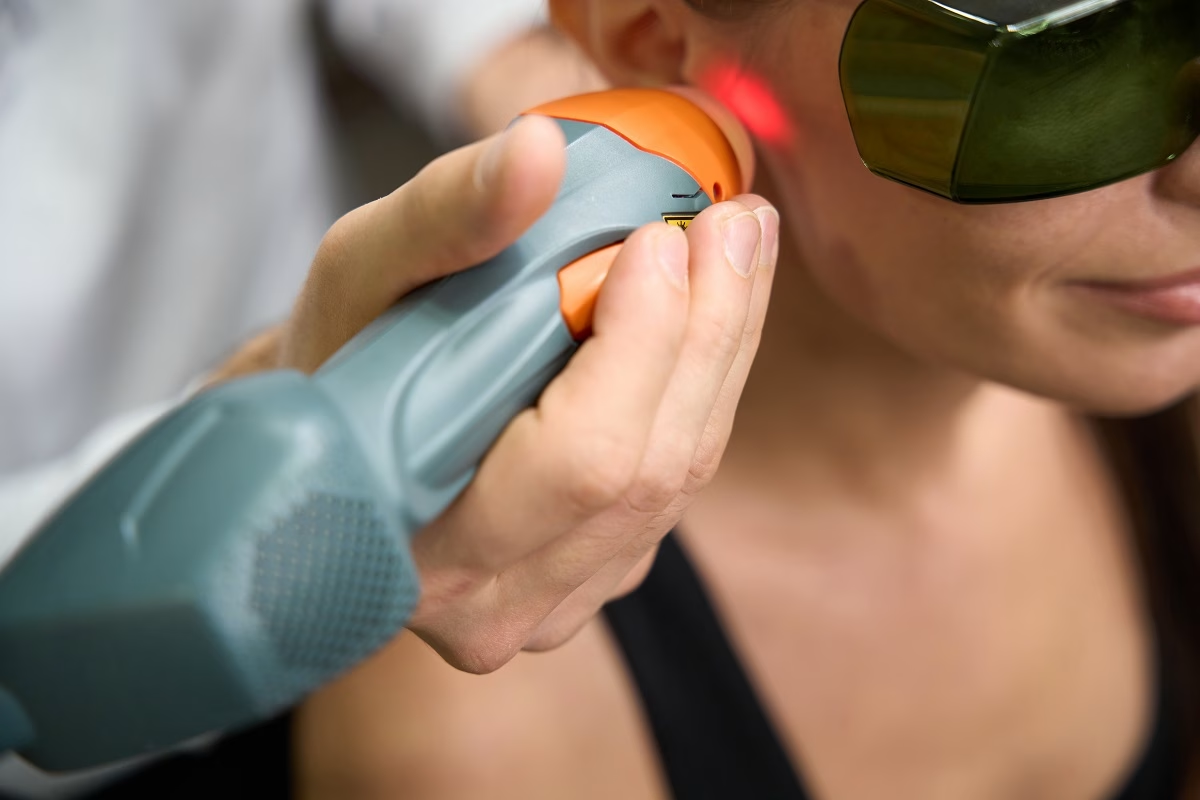
- Laser therapy to remove hemangiomas
- Learning support in school
- Supportive devices used to improve hearing and vision loss
Usually, most families with this disorder speak with a genetic counselor to learn more about options for their child.
Frequently Asked Questions
When should I take my child to the ER?
Immediately go to the nearest emergency room (ER) or call 911 if any of the following symptoms occur. Examples include:
- Stroke symptoms
- Seizures
- Difficulty breathing
- Irregular heartbeats
What can I expect if my child has PHACE syndrome?
Usually, people with this condition need regular checkups with the primary care physician to make sure their symptoms do not worsen or affect their quality of life. Some children may develop mental health problems (such as anxiety or depression) due to their health problems, so you should support your child or speak with a mental health professional.
What is the life expectancy of PHACE syndrome?
In general, the life expectancy of people with PHACE syndrome is different because it depends on the severity of the condition and symptoms, which organs are affected, overall health, and other factors. In severe cases, the life expectancy is significantly reduced, especially if it causes severe brain and heart problems. Ask your healthcare provider if you have additional questions.