
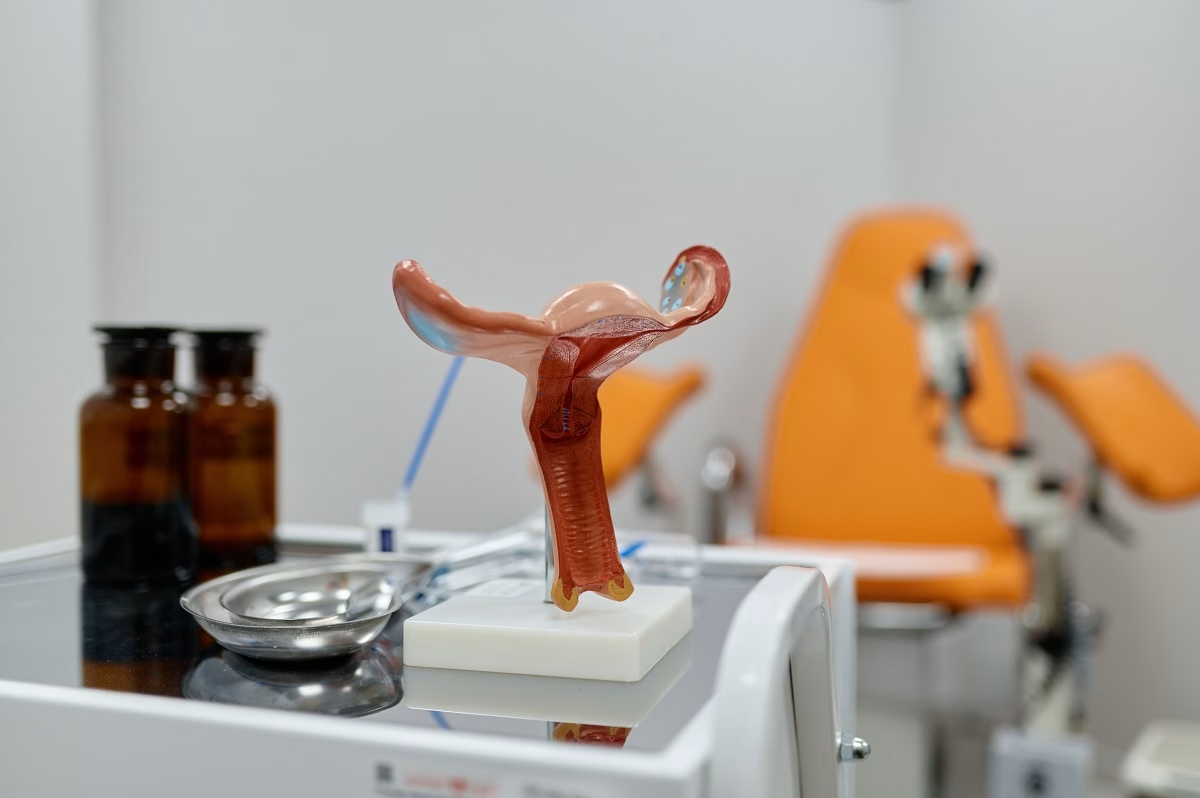
A health condition in which the muscles in the pelvic area become weakened and cause one or more organs to sag is called pelvic organ prolapse (POP). These include the vagina, uterus, bladder, and rectum. However, if you develop a severe form of pelvic organ prolapse, an organ can bulge onto another organ or even outside the body. Usually, doctors can recommend some treatments to repair prolapse and ease the symptoms.
In other words, this condition causes the organs in the pelvic region to drop from their normal position. Normally, the pelvic floor muscles help hold the organs in place. Anything that weakens these muscles may cause POP. In some cases, women experience POP after childbirth.
While mild forms do not cause serious problems, in more severe cases, the organs from the pelvic area can extend outside the vagina and cause a bulge. Usually, people with this condition describe it as fullness or pressure in their vagina or a feeling like something is falling out.
In general, this condition affects about 3% to 11% of women. Furthermore, approximately 37% of females with pelvic floor disorders (including POP) are between the ages of 60 and 79. However, it is difficult to estimate the exact number of people with POP because many of them do not seek medical care. Commonly, most disorders that affect the genitals remain untreated because people may feel embarrassed or ashamed about their symptoms.
Types of Pelvic Organ Prolapse
Healthcare providers have divided POP into several types based on where the weaknesses are in the pelvic floor and what organs are affected. Examples include:
- Anterior vaginal wall prolapse (dropped bladder) – In such cases, weakened pelvic floor muscles located above the vagina may cause your bladder to slip out of place and bulge into the vagina. Sometimes, this type of prolapse is called a cystocele. Furthermore, anterior vaginal wall prolapse is the most common type of pelvic organ prolapse.
- Urethrocele – In people with this type of POP, the urethra drops usually along with the bladder.
- Rectocele (posterior vaginal wall prolapse) – The muscles located between the vagina and rectum can cause the rectum to bulge onto the back wall of the vagina.
- Enterocele – In such cases, the small intestine bulges onto the back or the top of the vagina.
- Uterine prolapse (also known as dropped uterus) – Women who develop this type of POP may notice that the uterus drops down into the vaginal canal.
- Vaginal vault prolapse – This type causes the top part of the vagina (also known as the vaginal vault) to drop into the vaginal canal.
Symptoms
One of the most common symptoms of POP is a bulge in the vagina as something is falling out. Check below for other symptoms of POP:
- Fullness, aching, or pressure in the vagina or pelvis
- Pain or pressure during sexual intercourse (also called dyspareunia)
- Changes to how you poop or pee (urinate)
In general, the symptoms depend on where the prolapse occurs and the severity of POP. Usually, most people do not know they have POP until they experience problems with peeing and pooping or dyspareunia. Commonly, people develop this disorder along with the following symptoms. Examples include:
- Constipation or stool incontinence (inability to control when you poop)
- A sudden urge to urinate or a feeling like the bladder is full
- Stress incontinence (urine leakage when you cough, laugh, or exercise)
Do not hesitate to visit a healthcare professional if any of the previous symptoms occur.
Causes and Risk Factors
In general, there are multiple reasons that can weaken the muscles in the pelvic area. Usually, it occurs when the pelvic floor muscles, ligaments, and tissues are overstretched. However, experts have identified some factors that could elevate your risk of POP. Check below some of them:
- Vaginal childbirth – This is one of the most common causes of POP, especially if a woman has multiple deliveries or has twins or triplets. Fetal macrosomia (having a large baby) can also cause POP.
- Aging – The pelvic floor muscles can become weakened as a normal part of aging. For instance, once a female goes into menopause, the Estrogen levels are reduced, which often leads to a decline in the connective tissues that support pelvic floor muscles.
- Obesity – Excessive body weight can also increase your risk of developing POP, according to some recent studies.
- Chronic (long-term) pressure in the abdominal cavity – Chronic constipation, chronic coughing, or frequent heavy lifting can also elevate your risk of developing POP. Previous factors put pressure on the pelvic floor muscles and can make them weak.
- A family history of pelvic organ prolapse – Some research has shown that if you have a parent or sibling with this disorder, your risk of developing it significantly increases.
- Connective tissue disorders – For example, Ehlers-Danlos syndrome, Marfan syndrome, joint hypermobility syndrome, and others. These conditions can make you more likely to develop POP.
What Are The Potential Complications of Pelvic Organ Prolapse?
Those who develop POP and do not get treatment may experience some complications. That’s why it is important to get medical care once you experience the symptoms. Check below some complications of POP:
- Infections – When POP affects the ability to urinate, the pee can back up into the urinary tract or kidneys, which often causes urinary tract infections (UTIs) or kidney infection.
- Kidney damage – Chronic infection and uterine obstruction can lead to serious damage to the kidneys.
- Emotional distress – This condition can negatively affect your everyday life and emotional well-being.
- Bowel problems
- Pain and discomfort
- Sexual dysfunction (such as dyspareunia or erectile dysfunction)
- Tissue damage
- Organ injury
- Hemorrhage
- Recurrent prolapse
- Fistula
This document does not contain a full list of POP complications. However, you can talk with your doctor about ways to reduce the symptoms and prevent serious complications.
How to Prevent Pelvic Organ Prolapse?
Unfortunately, a lot of POP causes cannot be prevented. However, you can take steps to reduce the risk. Check below some tips that may help:
- Perform pelvic floor exercises every day because they help support organs in the pelvic area.
- Try to get and maintain a healthy weight.
- Prevent constipation by choosing high-fiber foods and drinking plenty of water.
- Stop smoking – If you face problems with smoking cessation, it is advised to discuss it with your healthcare professional.
- Avoid lifting heavy objects alone – You should get help when it comes to lifting heavy objects. Otherwise, it may lead to pressure or injuries to the lower back and pelvic floor muscles.
Diagnosis
Usually, the diagnosis of POP begins with a pelvic examination to check for irregularities linked to the disease. Thereafter, physicians may also ask some questions about the symptoms and medical history. However, to confirm or exclude POP, doctors may perform some tests. For example:
- Pelvic floor function tests – These tests allow the doctor to see how strong the muscles and ligaments in the pelvis are. It often includes performing certain movements and motions, and tightening and relaxing the muscles.
- Bladder function tests – During these tests, doctors will look for urinary problems that are common in people with POP. They often perform a cystoscopy or urodynamics.
- Imaging tests – The following tests are used to get detailed images of different structures and organs in the body. Usually, physicians perform a pelvic floor ultrasound or MRI (magnetic resonance imaging) to determine the extent of the prolapse.

Treatment
Healthcare professionals often recommend different treatments for people with POP. It depends on the severity and type of the condition, existing health problems, age, and preferences. For instance, people who develop a mild form of POP do not need treatment. Check below some options often recommended by doctors for people with POP:
Nonsurgical Treatments
The following treatments focus on relieving the symptoms and improving the quality of life. For example:
- Vaginal pessary – This is a silicone device that helps hold a sagging organ in place.
- Pelvic floor exercises (also known as Kegel exercises) – These exercises are used to strengthen the muscles in the pelvic area.
Surgical Treatments
The treatments listed below are often recommended by doctors when previous treatments do not work or in severe cases. In general, there are multiple options your surgeon may choose to fix pelvic organ prolapse. The primary options used are obliterative surgery and reconstructive surgery.
Obliterative Surgery
This procedure is used to narrow the opening of the vagina and prevent the organs from slipping out. It also eliminates the ability to have penetrative sex.
- Colpocleisis – This procedure often results in a shortened vagina. Therefore, it helps prevent any organs from bulging outside the body.
Reconstructive Surgery
The following options are used to repair the weak parts of the pelvic floor and move organs back to their normal position. These include:
- Sacrocolpopexy – This surgery is used to treat uterine prolapse and vaginal vault prolapse using a mesh material to attach the vagina to a ligament by the tailbone. In most cases, it is performed through small incisions (cuts) in the abdominal area.
- Sacrohysteropexy – During this procedure, surgeons will attach surgical mesh to the cervix and vagina to the tailbone, lifting the uterus into place. It is often used to treat uterine prolapse.
- Colporrhaphy – This treatment option is used to treat anterior or posterior vaginal wall prolapse.
- Uterosacral or sacrospinous ligament fixation – During this procedure, surgeons use your tissues to treat uterine prolapse or vaginal vault prolapse. It is often performed through the vagina.
Frequently Asked Questions
How do you treat pelvic organ prolapse?
In general, there are multiple options that can ease the symptoms and treat POP. However, doctors often prescribe different treatments to people with POP because it depends on several factors. Treatments include non-surgical approaches (including Kegel exercises), pessaries, lifestyle changes, and surgical interventions (such as mesh repair, native tissue repair, minimally invasive robotic or laparoscopic procedures, and others).
Can you live with prolapse without surgery?
Usually, people can live with POP without surgery through conservative treatment options. For example, pelvic floor exercises, lifestyle changes to prevent constipation and straining, avoiding heavy lifting, and others. For more details, discuss it with your doctor.
What can be mistaken for prolapse?
Some health conditions can be mistaken for POP. These include:
- Vaginal wall cysts
- Cervical polyps
- Urethral tumors
- Symptoms of urinary or fecal incontinence
- UTIs (urinary tract infections)
- Prostatitis
- Constipation
This article does not contain all possible disorders that can be mistaken for POP. If you have additional questions, ask your healthcare provider.