
A type of cancer that begins in the oropharynx (the middle part of the throat) is called oropharyngeal cancer. While there are some options available to treat this type of cancer, it may return. Healthcare professionals recommend getting vaccinated against human papillomavirus (HPV), quitting smoking, and limiting or avoiding alcoholic beverages to reduce the risk of developing oropharyngeal cancer.
This type of cancer rarely affects people. About 53,000 people in the United States develop oropharyngeal cancer each year. However, about 290,000 people in the U.S. are diagnosed with breast cancer every year, according to the American Cancer Society.
Types of Oropharyngeal Cancer
Healthcare professionals have divided this condition into several types based on human papillomavirus status. These include:
- Squamous cell carcinoma – This is one of the most common types of oropharyngeal cancer that begins to develop in the scale-like cells lining the oropharynx. Therefore, this type of oropharyngeal cancer is also divided into 2 subtypes. For example, HPV-positive squamous cell carcinoma (it is often linked to HPV infection) and HPV-negative squamous cell carcinoma (it is usually associated with long-term tobacco use and misuse of alcoholic drinks).
- Lymphoma – In such cases, the cancerous cells begin to develop in the lymphatic system (such as in the tonsils or base of the tongue).
- Minor salivary gland tumors – This form of oropharyngeal cancer develops in the small salivary glands located throughout the oropharynx.
- Sarcoma – This is a rare type of oropharyngeal cancer that appears in the connective tissue of the mouth and tongue.
- Melanoma – This type of oropharyngeal cancer also occurs rarely and affects the pigmented cells inside the mouth.
Symptoms
The symptoms of this type of cancer may resemble other health conditions. Check below for the most common oropharyngeal cancer symptoms:
- Sore throat (also called pharyngitis) that does not go away
- Dysphagia (difficulty or painful swallowing)
- Inability to open the mouth completely or move the tongue
- Unusual weight loss
- Voice changes
- Ear pain
- A lump in the neck, mouth, or back of the throat
- Coughing up blood
- White patches on the tongue or lining of the mouth
If any of the previous symptoms occur, do not hesitate to visit your doctor for a diagnosis. Moreover, any of them does not necessarily indicate oropharyngeal cancer.
Causes
There are some major causes of oropharyngeal cancer. The most common cause of this type of cancer is a human papillomavirus infection. It negatively affects the proteins that interfere with genes in the cells lining the mouth and throat. Check below for other causes:
- Tobacco – These include cigars, cigarettes, and chewing tobacco. These tobacco products cause damage to the lining of the throat. Therefore, the cells located in the throat may react to damage and begin to divide more than usual.
- Alcohol – People who drink large amounts of alcoholic drinks may develop DNA changes in the cells that line the throat.
Risk Factors
The most significant factor that increases the risk of developing oropharyngeal cancer is HPV. However, there are other factors that also elevate the risk of developing this type of cancer. For example:
- Long-term smoking cigarettes or using other forms of tobacco
- Misuse of alcoholic beverages
- A medical history of neck or head cancer
- Cancer treatments (such as radiation therapy used to treat head cancer)
- Poor diet
- Weakened immune system
- Some disorders (such as Plummer-Vinson syndrome)
- Genes – There are some abnormal genes that can make you more prone to oropharyngeal cancer
- Chronic irritation caused by dentures, braces, or acid reflux
What Are The Possible Complications of Oropharyngeal Cancer?
People who develop this type of cancer may also experience some complications. Check below some examples:
- Oral mucositis
- Xerostomia
- Infections
- Radiation caries
- Osteoradionecrosis
- Trismus
- Dysphagia
- Dysgeusia
- Lymphedema
- Tissue fibrosis
- Difficulty chewing and speaking
- Breathing problems
- Voice loss or hoarseness
- Nutritional deficiencies
- Bleeding
- Facial changes
Not everyone who develops oropharyngeal cancer will experience the previous complications. However, you can consult with your doctor about measures to reduce the risk of developing them.
How to Prevent Oropharyngeal Cancer?
Unfortunately, there is no sure way to prevent this type of cancer. However, you can take some steps to reduce the risk. For example:
- Get vaccinated against HPV – People who have multiple sex partners or oral sex are at higher risk of getting human papillomavirus.
- Stop smoking or never start – generally, you should not start smoking, but if you have problems with smoking cessation, discuss it with your healthcare professional. Smoking also increases the risk of secondary cancer, including cancer of the mouth, voice box, or lungs.
- Limit or avoid alcoholic beverages – People who drink large amounts of alcohol or drink it frequently are at increased risk of certain types of cancer.
- Dietary changes – Get a well-balanced diet that includes fresh fruits, vegetables, and whole grains.
- Regularly perform physical exercise
Diagnosis
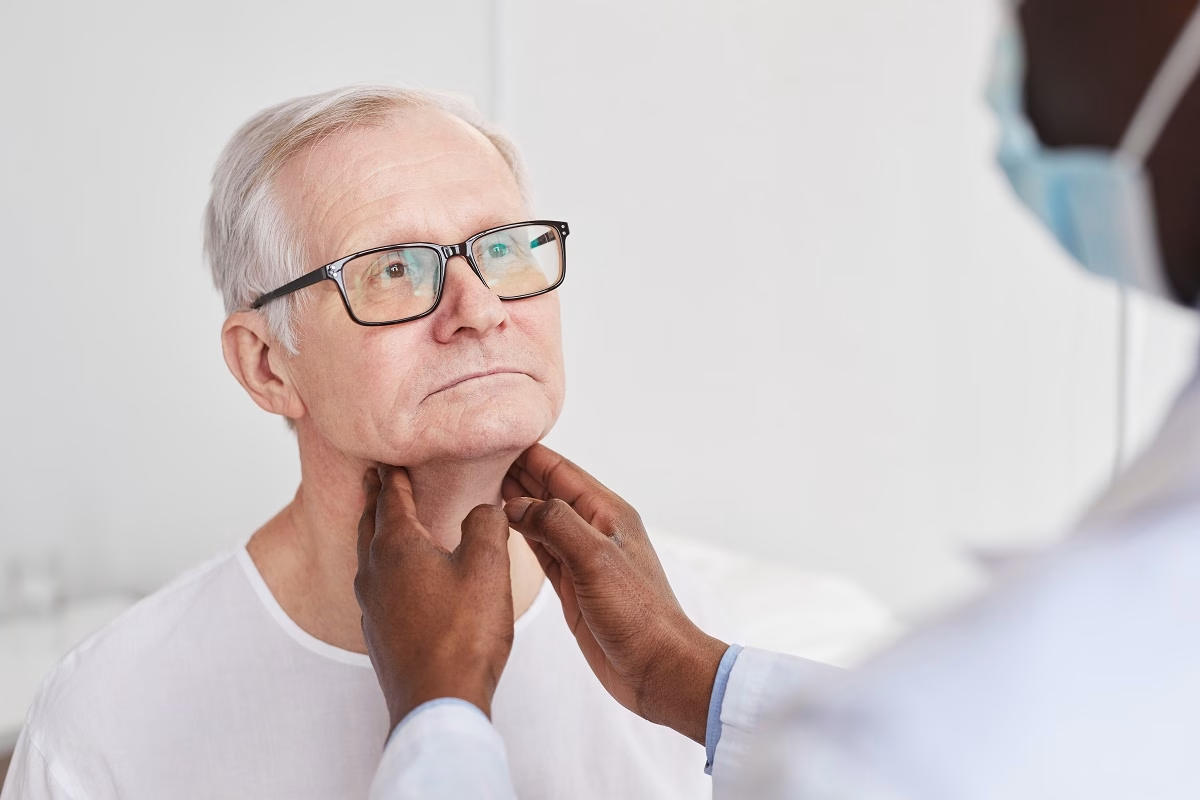
In most cases, the diagnosis of oropharyngeal cancer begins with a physical examination and questions about your medical history and symptoms. Doctors may also ask if you have had head or neck cancer. They may also examine the mouth, throat, and neck for lumps and other cancer signs. However, to confirm or rule out this condition, doctors often perform the following tests. For example:
- CT (computerized tomography) scans – This is an imaging test used to get cross-sectional images of different structures and organs in the body. Usually, a CT scan helps doctors determine how far the cancer spreads and the exact tumor size. In some cases, they may combine a CT scan with a PET (positron emission tomography) scan.
- MRI (magnetic resonance imaging) scans – This test is used to produce more detailed images of body structures, including soft tissue (such as tonsils) and the base of the tongue.
Once you are diagnosed with oropharyngeal cancer, doctors may perform additional imaging tests. It is done to determine the extent (stage) of the cancer. It may help make the best treatment plan for you.

Treatment
Usually, to treat this type of cancer, doctors recommend the following treatments. For example, chemotherapy, surgery, radiation therapy, targeted therapy, or immunotherapy. In general, the goal of the treatment is to remove cancer cells and relieve symptoms.
Surgery
This treatment is often recommended by doctors for people with localized cancer to remove the tumor as much as possible. In most cases, they recommend transoral robotic surgery (TORS). This is a minimally invasive procedure to remove oropharyngeal cancers that are difficult to reach. Check below some advantages of TORS:
- Faster recovery
- Reduced time spent and damage to the surrounding tissue
- Fewer adverse reactions
In some cases, people who have this type of surgery may also need additional treatment, such as reconstructive surgery, speech therapy, or nutritional therapy.
Radiation Therapy
This treatment involves powerful energy beams that are sent directly to the tumor to destroy it. This energy usually comes from X-rays, protons, or other sources. This therapy is often recommended by doctors when surgery is not an option. Moreover, doctors may also recommend it along with chemotherapy to improve the effectiveness of the cancer treatment.
Chemotherapy
This cancer treatment involves strong medicines that help destroy cancerous cells throughout the body. In most cases, these medicines are given to the patients intravenously (IV), but a pill form is also available. Physicians often prescribe this treatment to shrink a large tumor before surgery, destroy cancer cells that may remain after surgery, or treat advanced stages of the cancer.
Targeted Therapy
This treatment is a laboratory version of monoclonal antibodies. These are specific proteins in the immune system that help find and destroy germs. However, targeted therapy works by blocking a specific protein in the cancer cells, causing them to die.
Immunotherapy
This is one of the most common treatments recommended for people with oropharyngeal cancer. It helps boost the immune system by identifying and killing cancer cells. Doctors often prescribe Pembrolizumab or Nivolumab. In addition, this treatment may give you some adverse reactions, including an itchy rash, diarrhea, nausea, vomiting, or fatigue (extreme tiredness).
Frequently Asked Questions
Is there a cure for oropharyngeal cancer?
This type of cancer can be cured sometimes in the early stages. However, it usually returns even after successful treatment. About 70% of people will develop this type of cancer again within 5 years after primary treatment, according to the American Cancer Society.
When should I go to the emergency room?
Immediately call 911 in the U.S. or go to the nearest emergency room (ER) if you experience the following symptoms. These include fever, redness or tenderness at the site of surgery, or discharge from the affected area.
What is the survival rate for oropharyngeal cancer?
In general, about 85% of people with this type of cancer will survive at least 1 year after diagnosis. However, the 5-year survival rate is about 65% in people who get treatment. Ask your healthcare provider if you have any other questions.