
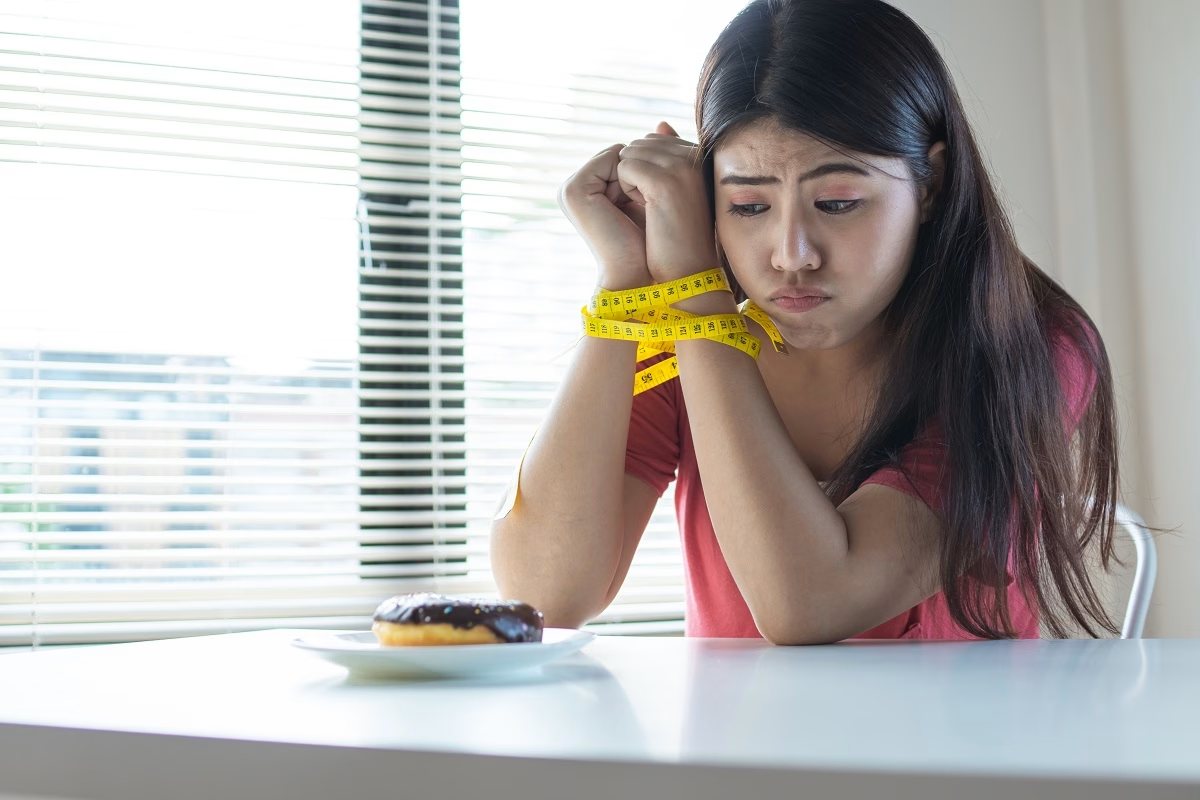
A health condition in which a person experiences an intense fear of gaining weight is called obesophobia (also known as pocrescophobia). While people frequently think about their weight and go on diets, people with this condition go to extremes. For example, undereating, starving, over-exercising, or avoiding activities involving food. Moreover, they continue to fear weight gain despite being underweight or malnourished.
In other words, obesophobia is a condition that causes an intense and overwhelming fear of gaining weight or getting fat. This disorder is a type of anxiety disorder. However, there are a lot of people who think about their diet constantly, but it still does not indicate obesophobia. The condition is often diagnosed by doctors when people go to extremes to prevent weight gain or lose weight. Examples include:
- Constantly brings their food everywhere they go to control what they eat
- Eat small portions of food
- Perform excessive physical exercise
- Criticize themselves excessively
- Spend a lot of time and money to look or be thinner (such as surgeries)
Furthermore, people with obesophobia frequently become underweight or malnourished. However, the fear of obesity makes them continue their extreme behavior. In most cases, people with this condition understand the fear is irrational, but cannot control it. Some people with obesophobia may also experience other mental health disorders. For example:
- Body dysmorphic disorder
- Depression
- Eating disorders
- Obsessive-compulsive disorder (OCD)
How Common is Obesophobia?
In general, it is difficult to estimate the exact number of people who suffer from this condition. Most of them may keep this fear to themselves or may not understand they have it. Approximately 1 in 10 American adults and 1 in 5 teenagers experience a specific type of phobia at some point in their lives. Moreover, obesophobia is one of the most common specific phobias among teenage girls, but it may also happen to females or males from childhood to adulthood.
Symptoms
Commonly, people with obesophobia experience the following symptoms. Examples include:
- Chills
- Dizziness
- Lightheadedness
- Heart palpitations
- Nausea
- Dyspnea (shortness of breath)
- Trebling or shaking
- Dyspepsia (stomach upset or indigestion)
Do not hesitate to see a doctor if any of the previous symptoms occur.
Causes and Risk Factors
Mental health professionals do not know what exactly causes obesophobia. However, they have identified some factors that could increase your risk of developing it. Check below some of them:
- Environment – There are some cultures that tend to overemphasize the way people look and their weight. Hence, some of them believe that gaining weight is sinful or disgusting.
- Genetics – If you have a family history of phobias, eating disorders, or other anxiety-related conditions, it significantly increases the risk of developing obesophobia.
- Traumatic experiences – There are some life experiences that may contribute to obesophobia. For instance, the risk of obesophobia increases if your parent frequently tells you that you are fat, if you experienced childhood bullying, and other experiences.
What Are The Long-term Effects of Obesophobia?
People with obesophobia can also experience some complications, especially if they do not get treatment. Check below some examples:
- Eating disorders (including bulimia nervosa, anorexia nervosa, binge eating disorder, and others)
- Depression
- Other types of anxiety
- OCD (obsessive-compulsive disorder)
- Body dysmorphic disorder
- Cardiovascular problems (such as slow heart rate, low blood pressure, heart failure, and others)
- Digestive issues (such as spontaneous pneumomediastinum and others)
- Low bone density (which may increase your risk of developing osteoporosis)
The previous list does not contain all possible obesophobia complications. However, you can talk with your doctor about ways to reduce the risk or even prevent them.
In addition, there is no way to prevent obesophobia because doctors do not fully understand why it happens. However, with treatment, you can ease the symptoms, prevent serious complications, and improve your quality of life.
Diagnosis
In general, there are no specific tests that can confirm obesophobia. Physicians usually diagnose this type of specific phobia based on the following factors, including the duration of the symptoms and how they affect your daily routine. This condition is diagnosed when the fear:
- Causes extreme anxiety or significant stress that interferes with daily activities
- Have been occurring for at least 6 months
- Is out of proportion with any actual problems regarding a person’s weight
- Leads to taking unreasonable steps to look or feel thin
- Make you avoid some situations that involve eating
- Cause other physical symptoms of anxiety or panic attacks

Treatment
Usually, the treatment options for people with obesophobia are different. They depend on several factors. For example, the severity of the condition, existing health problems, age, and preferences. Check below some possible treatments:
- Cognitive behavioral therapy (CBT) – This treatment is a type of psychotherapy (also known as talk therapy) that is used to understand and control thoughts and emotions. During this therapy, doctors will teach you how to cope with negative thoughts.
- Exposure therapy – This treatment is also known as desensitization, and it helps people confront their fears. Usually, this treatment begins with some less scary things, such as looking at pictures of people who are overly thin. After that, you may be asked to think about gaining one pound or eating something with a high amount of calories. In most cases, people begin to feel better and stay at a healthy weight.
- Hypnotherapy – During this treatment, doctors can put you in a trance-like state. It often helps make a person less afraid of healthy weight gain.
- Medicines – Physicians usually prescribe anti-anxiety or antidepressant medicines to ease the symptoms and improve your quality of life.
Frequently Asked Questions
Can obesophobia be cured?
Unfortunately, there is no way to cure this condition because experts do not fully understand what causes it.
What is a phobia?
This is a type of anxiety disorder that usually causes overwhelming fear of an object, event, or situation. Sometimes, people understand their fear is irrational, but cannot control it. In general, there are hundreds of specific phobic disorders.
What is the difference between obesophobia and eating disorders?
While obesophobia and eating disorders (such as bulimia nervosa and anorexia nervosa) are related, eating disorders are more severe and complex. Eating disorders usually cause a distorted view of the own body. For instance, people with anorexia or bulimia may be abnormally thin but still think they are overweight when looking in the mirror. Commonly, obesophobia and eating disorders occur simultaneously. In addition, eating disorders are not necessarily related to body weight. If you have additional questions, ask your healthcare provider.