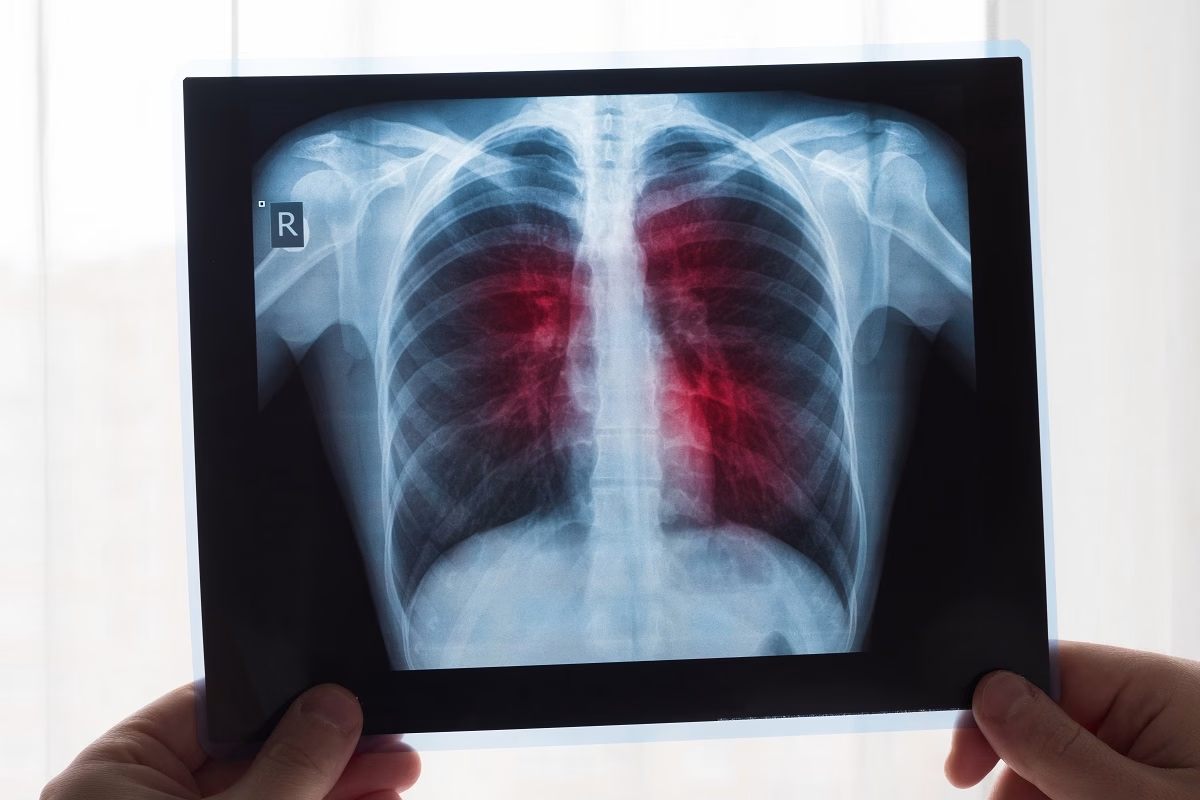
A type of lung cancer that occurs when normal cells in the lungs develop DNA mutations (changes) and begin to grow and multiply uncontrollably is called non-small cell lung cancer (NSCLC). Moreover, it is the most common form of lung cancer, and it often grows slowly compared to small-cell lung cancer. However, it can spread to other parts of the body before you experience symptoms. The only way to treat this type of lung cancer is early detection.
In addition, NSCLC accounts for 80% to 85% of all diagnosed cases. The name of this form of lung cancer comes from cancer cells that look small and round under a microscope. In general, small-cell lung cancer (SCLC) is a more aggressive form of lung cancer. While people with NSCLC may not experience symptoms in the early stages, it may spread to other parts of the body. In such cases, it is called metastatic non-small cell lung cancer.
Types of Non-small Cell Lung Cancer
Healthcare professionals have divided this type of cancer into the 3 main categories. These include:
- Adenocarcinoma – This form often develops in the outer parts of the lung.
- Large cell carcinoma – In such cases, the tumor may develop in any part of the lung.
- Squamous cell carcinoma – This type of NSCLC occurs when DNA changes happen in the cells located in the central part of the lung.
There are other types of NSCLC, but they are less common. For example, sarcomatoid carcinoma and adenosquamous carcinoma.
Symptoms
Commonly, people with NSCLC experience the following symptoms. Check some examples below:
- Hoarseness
- Appetite changes
- Tiredness
- Wheezing
- Shortness of breath (dyspnea)
- Coughing up blood
- Chronic cough
- Chest pain
Sometimes, people with NSCLC may not experience any symptoms until advanced stages of cancer. In any case, if you experience any of the previous symptoms, it is advised to see a doctor right away.
Causes and Risk Factors
This type of lung cancer occurs, like many other types of cancer, when specific cells in the lung develop DNA changes. Normally, DNA holds instructions that tell cells when to grow, multiply, and die. However, a mutated DNA gives cells different instructions that make them grow and multiply abnormally. When these cells become too numerous, they form a mass called a tumor. If this tumor grows large enough, it may spread to other structures and organs in the body. In such cases, the condition is called metastatic NSCLC.
Furthermore, doctors have identified some factors that could elevate your risk of developing this type of lung cancer. Examples include:
- Prolonged exposure to Asbestos, metal and mineral dust, Radon (a naturally occurring radioactive gas), and other chemicals
- Family history – If you have a parent or sibling with lung cancer, your risk of developing it significantly increases.
- Other respiratory conditions (such as pulmonary fibrosis, COPD, pneumonia, and others)
- Radiation therapy to the breast or chest
- Smoking (including secondhand smoke)
- Air pollution
- Misuse of alcoholic beverages
- HIV infection
- Genetics
What Are The Possible Complications of Non-small Cell Lung Cancer?
Sometimes, people with NSCLC may experience some complications, especially if the cancer spreads to other parts of the body or is left untreated. In most cases, NSCLC spreads to the following parts of the body. For example:
- Adrenal glands
- Bones
- Brain
- Liver
- Skin
- Lymph nodes
Check below also some complications that people with NSCLC often experience:
- Airway obstruction
- Pleural effusion (fluid buildup around the lungs)
- Hemoptysis
- Spinal cord compression
- Superior vena cava (SVC) syndrome
- Hyponatremia (low blood Sodium)
- Hypercalcemia (increased Calcium levels in the blood)
- Treatment complications (including pneumonia, abnormal heart rhythm, and others)
This document does not contain a comprehensive list of complications, but you can consult with your healthcare professional about measures to reduce the risk of, or even prevent, them.
How to Diagnose Non-small Cell Lung Cancer?
Usually, the diagnosis begins with a physical examination to check for irregularities linked to the condition. Doctors may also ask questions about your family history and symptoms to gather more information about your condition. However, to confirm or rule out this type of cancer, doctors often perform the following tests and procedures. These include:
- Lung biopsy – During this procedure, doctors will take a small sample of the affected part of the lung for testing. They will check for cancerous cells.
- Bronchoscopy – This test is used to examine the inside of the airways.
- Imaging tests – The following tests are used to get detailed images of different structures and organs in the body. In such cases, doctors need images of the lungs and nearby tissue. They often perform chest X-rays, CT (computed tomography) scans, PET (positron emission tomography) scans, or MRI (magnetic resonance imaging) scans.
- Video-assisted thoracic surgery (VATS) – This test helps get a better look inside the chest.
Treatment
Doctors often prescribe different treatments for people with NSCLC because they depend on several factors. For example, whether the cancer has spread to other parts of the body, overall health, age, and preferences. However, the main treatment is surgery, used to remove the tumor and a small amount of healthy tissue around it. When the cancer spreads, surgeons may remove a part of or all of the affected lung (lung resection). Generally, lung cancers are identified in the early stages quite rarely. That’s why doctors often prescribe a combination of the following treatments. For example:
- Chemotherapy – This treatment involves strong medicines to destroy cancerous cells throughout the body. While chemotherapy can be used to shrink a large tumor before surgery, it may also be prescribed after surgery to destroy cancer cells that may remain even after a successful surgery.
- Immunotherapy – Almost all cancerous cells produce specific substances to hide from the immune system. Immunotherapy involves medicines that boost the immune system to find and destroy cancer cells.
- Targeted therapy – This therapy uses specific medicines that block a protein in the cancer cells, causing them to die. Usually, it is prescribed by doctors in advanced stages of lung cancer or when other options do not work.
- Radiation therapy – Doctors often prescribe this cancer treatment along with chemotherapy to improve its effectiveness. This therapy uses powerful energy beams to destroy cancer cells. The energy used during this treatment often comes from X-rays, protons, and other sources.
Recovery
The recovery time often is different among people because it depends on a few factors. These include the location and size of the tumor, your response to treatment, and the body’s healing capacity. While some people recover in several months, others may need years to recover completely.
Frequently Asked Questions
When should I see my healthcare provider?
If any of the following symptoms occur, immediately visit a doctor. Examples include:
- Fever of 100.4 degrees F (38 degrees C)
- Trouble breathing
- Severe pain that does not improve with pain relievers
- New or worsening symptoms
What is the life expectancy of someone with non-small cell lung cancer?
The life expectancy of people with NSCLC varies by stage. Generally, the 5-year survival rate is around 25% to 32%, but for a localized tumor, it is significantly higher (about 65%).
What are the most effective treatments for non-small cell lung cancer?
Usually, doctors prescribe a combination of surgery, chemotherapy, radiation, targeted therapy, and immunotherapy to treat NSCLC. If you have additional questions, ask your healthcare provider.