
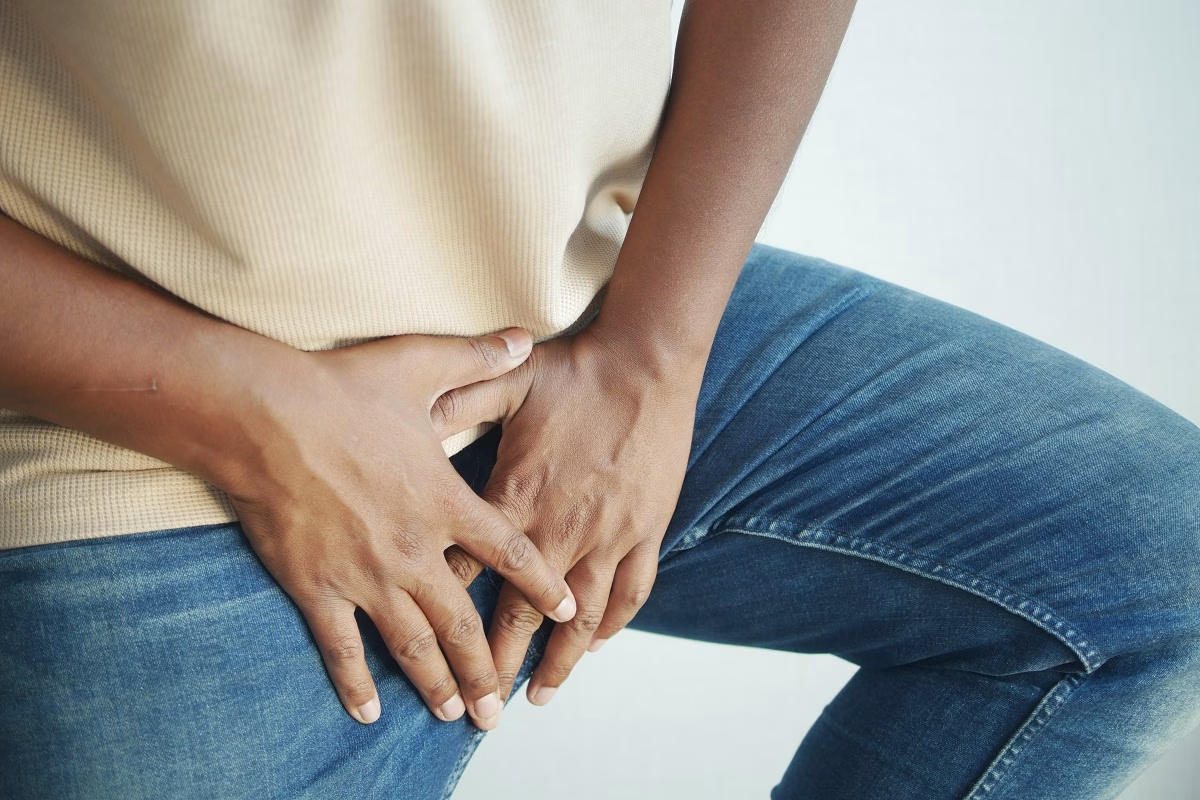
This is a health condition in which children and adults are not able to completely empty their bladder. It is called non-neurogenic voiding dysfunction, and it may also cause urine leakage and sudden urges to urinate. Moreover, potty-trained children may wet their pants during the day. Usually, it is treated with medicines and pelvic floor exercises.
In most cases, this condition is related to weak bladder muscles, a blockage in the urinary system, or habits you develop over time. It is often diagnosed in potty-trained children between the ages of 4 and 6 and women over 40.
In general, non-neurogenic voiding dysfunction affects about 1 in 5 children and more than 6% of women over 40.
Symptoms
Commonly, people with non-neurogenic voiding dysfunction experience the following symptoms. For example:
- Weak pee stream or a pee stream that starts or stops
- Difficulty starting or straining to urinate
- Constipation
- A feeling like the bladder is never empty
- Frequent urination
- Pushing with the abdominal muscles or your hands the lower part of the abdomen to urinate
- Urinary incontinence (urine leakage)
- Nocturia (urinating more than once while you are sleeping)
- Urge incontinence (sudden and uncontrollable urge to urinate)
Children may also experience daytime wetting and use holding maneuvers, such as crossing their legs, squatting, or pressing their hands, the heel of the foot between their legs. Anyway, if you or your child has any of the previous symptoms, immediately contact your physician.
Causes and Risk Factors
There are multiple causes of non-neurogenic voiding dysfunction. For instance, children with dysfunctional elimination syndrome may also develop non-neurogenic voiding dysfunction. A health condition in which the bladder muscles and nerves do not work together is called dysfunctional elimination syndrome. Check below for the most common causes of non-neurogenic voiding dysfunction:
- Weak bladder muscles
- Blockages in the urinary system
- Constipation
- Urinary tract infections (UTIs)
- Prostate cancer
- Benign prostatic hyperplasia or BPH (an enlarged prostate gland in males)
- Do not go to pee when you feel the bladder is full
- Underactive bladder that does not trigger an urge to urinate
- Overactive bladder
While anyone may develop this condition, the following factors may increase your risk. For example, habitual holding, ignoring urges, poor diet, weak pelvic floor muscles, constipation, certain medicines, bladder outlet obstruction, weak bladder muscles, infections, and others.
What Are The Potential Complications of Non-neurogenic Voiding Dysfunction?
People who develop this condition may also experience some complications, especially if they leave it untreated. Examples include:
- Urinary tract infections (UTIs) – The inability to completely empty your bladder allows the bacteria to remain in the urine and cause infections.
- Kidney or bladder stones
- Psychological consequences – Some people with this condition may feel embarrassed, ashamed, or insecure.
- Kidney damage
- Mental disorders (including anxiety and depression)
- Social isolation
- Chronic urinary retention (CUR)
- Severe pain
This article does not contain a complete list of complications. In any case, you can consult with your physician about measures to reduce the risk or even prevent them.
How to Prevent Non-neurogenic Voiding Dysfunction?
Check below some tips often recommended by doctors to help with non-neurogenic voiding dysfunction:
- Dietary changes – These include avoiding caffeinated and alcoholic beverages because they can cause irritation to your bladder. Doctors may also recommend avoiding citrus and spicy foods. In general, you should add more fiber-rich foods to your diet if you have this condition. For example, beans, fruits, veggies, and whole-grain foods (such as whole-wheat bread, oatmeal, quinoa, brown rice, and others).
- Laxatives – These medicines are also known as stool softeners, and they help treat constipation.
- Physical exercise – Doctors usually recommend aiming for 30 minutes of physical exercise per day, at least 5 days a week, to get or maintain a healthy weight. Excessive body weight may put extra pressure on the bladder and cause it to leak.
- Stop smoking – All tobacco products contain nicotine, which is a substance that can irritate the bladder. Moreover, smokers are more prone to chronic cough, which also puts extra pressure on the bladder. If you have problems with smoking cessation, discuss it with your doctor.
Diagnosis
Doctors usually begin the diagnosis of non-neurogenic voiding dysfunction with evaluation of your medical history and questions about the symptoms. They may also perform a physical examination (including a pelvic or digital rectal examination of the prostate) to get more clues about your disease. However, to confirm or rule out this disease, doctors often perform the following tests. Examples include:
- Prostate-specific antigen (PSA) test – This is a type of blood test used to check for high levels of prostate-specific antigens. An increased PSA level often indicates problems with the prostate gland.
- Urinalysis (also called a urine test) – This test is performed by doctors to check for urinary tract infections.
- Imaging tests – In most cases, doctors perform an ultrasound to see how much urine remains in the bladder after using the bathroom. It may also determine a voiding problem.
- Urodynamic testing – During this test, doctors determine how much urine your bladder can hold and how well the muscles in the bladder, urethra, and pelvis work.
- Cystoscopy – During this test, doctors will use a long and flexible tube with a lighted camera on the end that allows them to examine the urethra and bladder.
Tests used to diagnose non-neurogenic voiding dysfunction in children are less invasive. Sometimes, doctors may perform only a blood or urine test to diagnose the condition.

Treatment
In most cases, doctors recommend a combination of treatments to ease the symptoms and treat this condition. Check some of them below:
- Bladder training – Normally, people can retain the bladder muscles to hold urine for a long time. In such cases, doctors may recommend some exercise to strengthen the bladder muscles.
- Pelvic floor therapy – In such cases, a physical therapist will teach you how to relax the muscles in the pelvic floor to urinate easily. In more severe cases, they may also recommend Kegel exercises to strengthen the pelvic floor muscles to prevent urinary or urge incontinence.
- Medicines – Usually, doctors recommend alpha-blockers (such as Tamsulosin) or urinary antispasmodics (including Tolterodine and Oxybutynin) to improve the symptoms.
- Botulinum toxin – Doctors may recommend an injection with botulinum toxin that is delivered directly into the bladder to relax the muscles and ease urge incontinence.
- Sacral nerve stimulation – If you develop non-neurogenic voiding dysfunction due to problems with the bladder nerves, doctors may implant an electrode under the skin above the buttocks to deliver mild electrical impulses to the sacral nerve. It may help improve the function of the bladder muscles.
- Self-catheterization – During this procedure, doctors will insert a catheter into the bladder to drain the urine into a bag that is outside the body. Moreover, doctors often can show you how to perform self-catheterization.
- Surgery – This treatment is often recommended by doctors when other options do not work. They often perform a bladder augmentation surgery (also known as cystoplasty) to make your bladder larger.
Sometimes, doctors may recommend an additional treatment. It is called percutaneous tibial nerve stimulation (PTNS), and it is often used to prevent the sacral nerve from sending abnormal signals to the urinary sphincter, bladder, and pelvic floor muscles. PTNS involves an electrical conductor (electrode) that delivers small electrical impulses to the tibial nerve located in your ankle. As a result, people are able to control their bladder.
Frequently Asked Questions
How soon after treatment will I feel better?
Usually, the recovery time is different among people with non-neurogenic voiding dysfunction because it depends on several factors. These include the severity and cause of the condition, age, and overall health. In general, people may notice improvements within a few weeks.
When should I see my healthcare provider?
If you experience any of the following symptoms, do not hesitate to see a doctor. For example:
- Inability to urinate for a long period
- Changes to the urine, including a strong or foul odor, a cloudy appearance, or blood in the urine (also known as hematuria)
- Pain during urination
- Constipation
- Fever, chills, or headaches are symptoms of an infection
What is the difference between non-neurogenic and neurogenic voiding dysfunction?
People who develop neurogenic voiding dysfunction (neurogenic bladder) have a condition that negatively affects their nervous system. It means you may have problems with the brain, nerves, or spinal cord that impact the ability to control the bladder. If you have additional questions, ask your healthcare provider.