
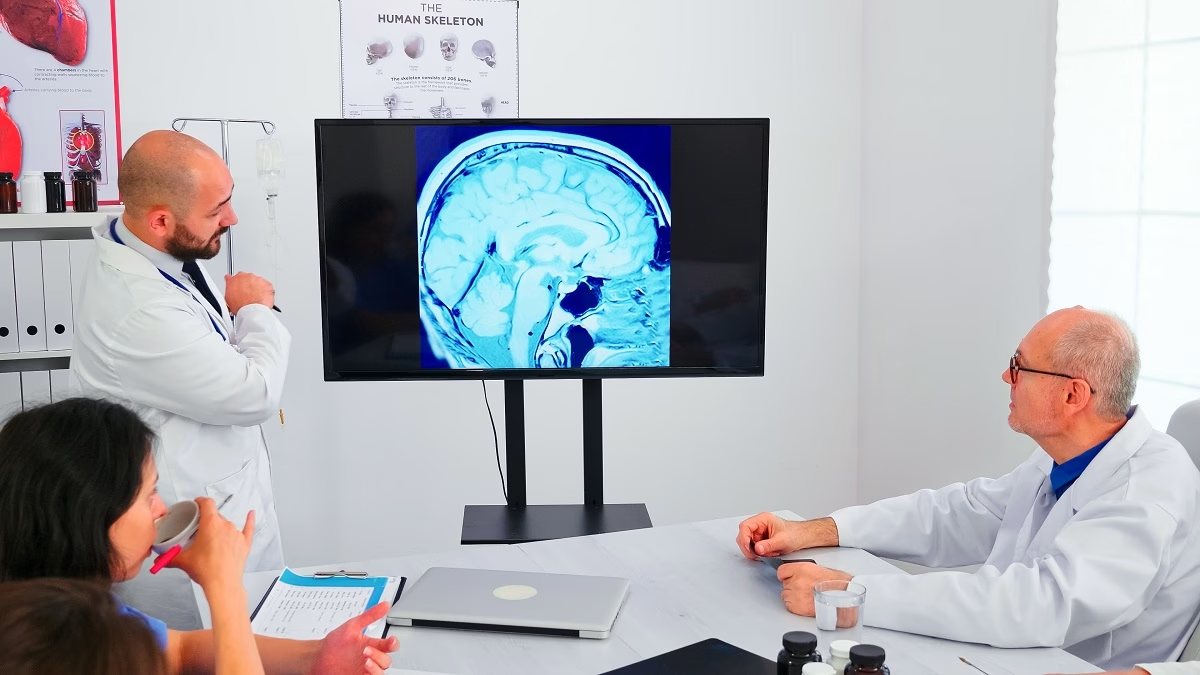
A group of health conditions that affect the function of the nervous system (including the brain, spinal cord, and nerves) is called neurological disorders. In general, there are more than 100 disorders, such as Alzheimer’s disease, multiple sclerosis, meningitis, and others. The symptoms of these conditions often impact the way you move, think, and feel.
Moreover, these conditions affect both the central and peripheral nervous systems. While the central nervous system includes the brain and spinal cord, the peripheral nervous system includes all nerves that branch off the spinal cord. Therefore, it further breaks down into:
- Somatic nervous system (it guides voluntary movements)
- Autonomic nervous system (it regulates the activities you do without thinking about them or involuntary movements)
Generally, the nervous system regulates everything you do, including breathing, swallowing, sleeping, and moving. It also assists certain processes (such as digestion). However, in people with neurological disorders, the nerves may work improperly, which often leads to physical, cognitive, emotional, and behavioral symptoms, including pain, confusion, mood swings, problems with coordination, and others.
These disorders occur commonly among people because there are multiple types. However, some of them occur more frequently than others.
Types of Neurological Disorders
Healthcare providers have divided these conditions into several types. Examples include:
- Neurodegenerative conditions – For example, Alzheimer’s disease, multiple sclerosis, Parkinson’s disease, and others.
- Neuromuscular conditions, such as muscular dystrophy, amyotrophic lateral sclerosis, and others.
- Brain disorders – These include epilepsy, migraines and headache disorders, stroke, traumatic brain injury, and others.
- Spine diseases – For example, spina bifida, spinal muscular atrophy, spinal cord injury, and others.
- Peripheral nerve disorders – Some of them include carpal tunnel syndrome, Bell’s palsy, and peripheral neuropathy.
Symptoms
The symptoms are often different among people with neurological disorders because they depend on a few factors. These include the severity and type of the condition, age, and overall health. Check below some common symptoms of people with neurological disorders:
- Pain – Headaches, back and neck pain, and others.
- Muscle movement – Tremor, weakness, stiffness, paralysis, and coordination difficulties.
- Sensitivity changes – These include numbness, tingling, hypersensitivity to touch, and loss of feeling (sometimes).
- Changes to your senses – Vision problems (such as loss of vision), hearing problems (including tinnitus and hearing loss), hallucinations, vertigo, loss of balance, loss of smell and taste, and others.
- Sleep disturbances – These include difficulty falling and staying asleep, daytime sleepiness, uncontrollable movements during sleep, loud snoring, and others.
- Consciousness changes – Seizures, fainting, and even coma.
- Cognitive impairment – For example, memory loss, problems with focusing and concentration, mood changes, and confusion.
- Language and speech difficulties – Slow or slurred speech, swallowing problems, and others.
- Breathing problems
Sometimes, the previous symptoms may come and go or progressively worsen over time. Do not hesitate to visit a doctor if any of the previous symptoms occur without an obvious reason.
Causes
In general, the cause varies based on the type of neurological disorder, but sometimes, doctors cannot identify the exact cause of the disorder. Check some possible causes below:
- Genetic mutations (changes)
- Infections
- Tumors
- Stroke
- Injury or damage to parts of the nervous system
- Abnormal development of the nervous system (congenital conditions)
What Are The Potential Complications of Neurological Disorders?
People who develop neurological disorders may also experience some complications, especially if they do not get treatment. Check some of them below:
- Dementia
- Deafness or blindness
- Epilepsy
- Insomnia
- Motor neuron disease (ALS)
- Severe respiratory failure
- An increased risk of infections (such as pneumonia) and stroke
- Bleeding
- Irritability
- Increased risk of falls and fractures
The previous list does not contain a complete list of complications, but you can consult with your doctor about ways to reduce the risk of developing the previous ones.
How to Prevent Neurological Disorders?
Unfortunately, it is not always possible to prevent neurological disorders. However, you can manage some factors to reduce the risk of developing them. These include taking care of your general health and getting protective equipment during physical activities (including wearing a helmet when playing contact sports).
Diagnosis
Usually, doctors diagnose a neurological disorder after a physical examination and some tests. During this examination, they will determine how well your nervous system works and may ask some questions about your medical history and symptoms. Check some tests often used to confirm or rule out a neurological disorder below:
- Sleep study
- Lumbar puncture (also known as a spinal tap)
- Nerve conduction study
- Imaging tests – These include MRI (magnetic resonance imaging) scans, CT (computed tomography) scans, or ultrasounds.
- Electromyography (EMG)
- Electroencephalogram (EEG
- Blood tests

Treatment
Healthcare professionals often recommend different treatment options because they depend on several factors. You should also consult with your doctor about the risks and adverse reactions that can make you choose another treatment option. Check some treatments below:
- Medicines
- Physical, occupational, and speech therapies
- Surgery
- Clinical trials
- Assistive devices
Frequently Asked Questions
When should I see a healthcare provider?
These disorders affect people differently, and it is often difficult to predict if and how a neurological disorder will affect you. In any case, you should inform your healthcare professional about all symptoms and changes you notice.
What are the top 10 neurological disorders?
Check the top 10 neurological disorders, according to the WHO (World Health Organization), below:
- Stroke
- Migraine
- Dementia (Alzheimer’s)
- Neonatal encephalopathy
- Epilepsy
- Meningitis
- Diabetic Neuropathy
- Neurologic complications from preterm birth
- Autism spectrum disorder
- Nervous system cancers
What triggers neurological disorders?
There are multiple factors that may cause neurological disorders. These include genetics, infections, trauma, autoimmune disorders, lifestyle, and environmental factors.
What are the first signs of nerve damage?
For example, numbness, tingling, or burning sensations that often start in the hands and feet. Sometimes, people may also experience muscle weakness, clumsiness, sharp pains, or extreme sensitivity to touch. Ask your healthcare provider if you have any other questions.