
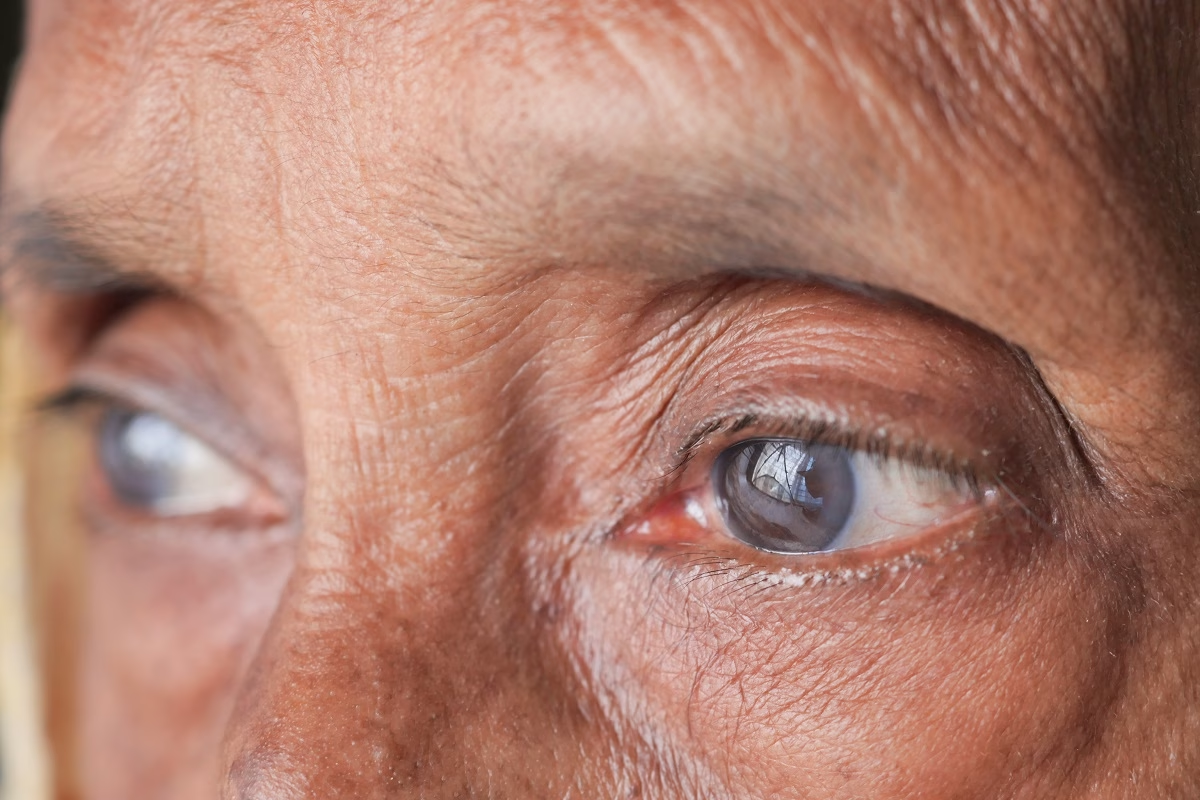
A genetic disorder that negatively affects the nervous system and skin, and may cause deafness (hearing loss), cataracts, and skin lesions from tumor growth, is called neurofibromatosis type 2 (NF2-related schwannomatosis). The treatment is often based on the symptoms and severity of the condition.
Moreover, NF2 causes tumors that appear in or on peripheral nerves, meninges (the layer of tissue between the skull and brain), spine, hearing and balance nerves, and other parts of the body. In general, this is a group of disorders that negatively affect some parts of the body.
This condition affects about 1 in 33,000 births in the entire world. Therefore, NF2-related schwannomatosis makes up approximately 3% of all diagnosed neurofibromatosis cases.
NF2 Tumor Types
There are different tumors that can appear in people with this genetic disorder. For example:
- Schwannomas – These are nervous system tumors made up of Schwann cells. They often grow along the auditory nerve that links the brain and inner ear (also known as vestibular schwannomas). In some cases, schwannomas can grow on the cranial nerve that is responsible for eye and tongue movements and swallowing.
- Meningiomas – This is a type of brain tumor that develops in the meninges.
- Gliomas – These tumors develop in the brain and are made up of glial cells. Mostly, these tumors affect the optic nerve.
- Ependymomas – This is a type of glioma (spinal cord and brain tumor) that appears inside the ventricles and consists of ependymal cells. These cells are used by the body to produce cerebrospinal fluid (CSF).
Symptoms
The symptoms of this condition are often different among people. It depends on which part of the body the tumor appears in and other factors. Check some symptoms below when tumors develop on the auditory nerves. For example:
- Dizziness (problems with balance)
- Hearing problems
- Tinnitus (ringing in the ears)
However, some people may develop tumors outside the auditory system and experience other symptoms. These include:
- Numbness or tingling
- Facial paralysis
- Headaches
- Muscle weakness
- Seizures
- Pain in the hands, arms, legs, or feet
- Cloudy vision caused by cataracts
- Elevated skin lesions with skin discoloration or small skin growths (nodules)
In most cases, the previous symptoms appear between late childhood and age 30. While this condition can affect anyone, in adults, the tumors usually affect the auditory nerves. However, in children with NF2, the tumors can affect the brain and spinal cord. When these tumors appear during childhood or adolescence, they may indicate a more severe form of NF2.
Causes and Risk Factors
This condition occurs due to a change (mutation) in the neurofibromin 2 (NF2) gene. That’s why it is called NF2-related schwannomatosis. Normally, this gene helps to produce merlin, which is a protein used to stop tumors from developing (also called a tumor-suppressor). An abnormal NF2 gene gives the body different instructions, which leads to abnormal growth and multiplication of these cells. When these cells become too numerous, they form a mass called a tumor. Without treatment, the tumor may grow large enough to break and spread to other parts of the body. This process is known as metastasis.
While you can inherit this abnormal gene from one of your biological parents in an autosomal dominant pattern during conception, most people with NF2-related schwannomatosis do not have a family history of this disease. It means some people develop this gene mutation randomly (spontaneously) during conception. Furthermore, doctors have identified the major factor that increases your risk of developing this condition. It is a family history of the disease. For instance, if you have a parent or sibling with this condition, the risk of developing it significantly increases.
What Happens if Neurofibromatosis Type 2 is Left Untreated?
People with this condition may also experience some complications, especially if they leave it untreated. Check some examples below:
- Loss of vision (blindness)
- Deafness (hearing loss)
- Nerve damage
- Fluid buildup in the brain
- Cancer
- Bilateral vestibular schwannomas (also called acoustic neuromas)
- Retinal tumors
- Cataracts
- Chronic pain
- Vascular problems
The previous list does not contain a complete list of complications. In any case, you can talk with your healthcare professional about measures to reduce the risk or even prevent them. Unfortunately, there is no way to prevent this condition because it occurs during conception. However, you can perform genetic tests to make sure you do not have this abnormal gene before pregnancy. Generally, it is very important to understand the risks of having children with NF2-related schwannomatosis.
Diagnosis
Commonly, it is challenging to diagnose NF2 because most symptoms resemble other health conditions. Doctors often begin the diagnosis of this genetic disorder with a physical examination to check for irregularities linked to the disease. They may also ask some questions about the symptoms and family history to get more clues about your disease. Check below some tests often performed by doctors to identify tumors:
- Imaging tests – Doctors usually perform MRI (magnetic resonance imaging) scans to find the exact location and size of the tumor.
- Hearing tests
- Eye examination
- Genetic test – To perform this test, doctors will get a blood sample. It is performed to check for the abnormal gene that causes this condition.
Treatment
This condition cannot be cured. That’s why the treatment goal is to relieve the symptoms, prevent serious complications, and improve your quality of life. Check some treatments that doctors often recommend for people with NF2-related schwannomatosis below:
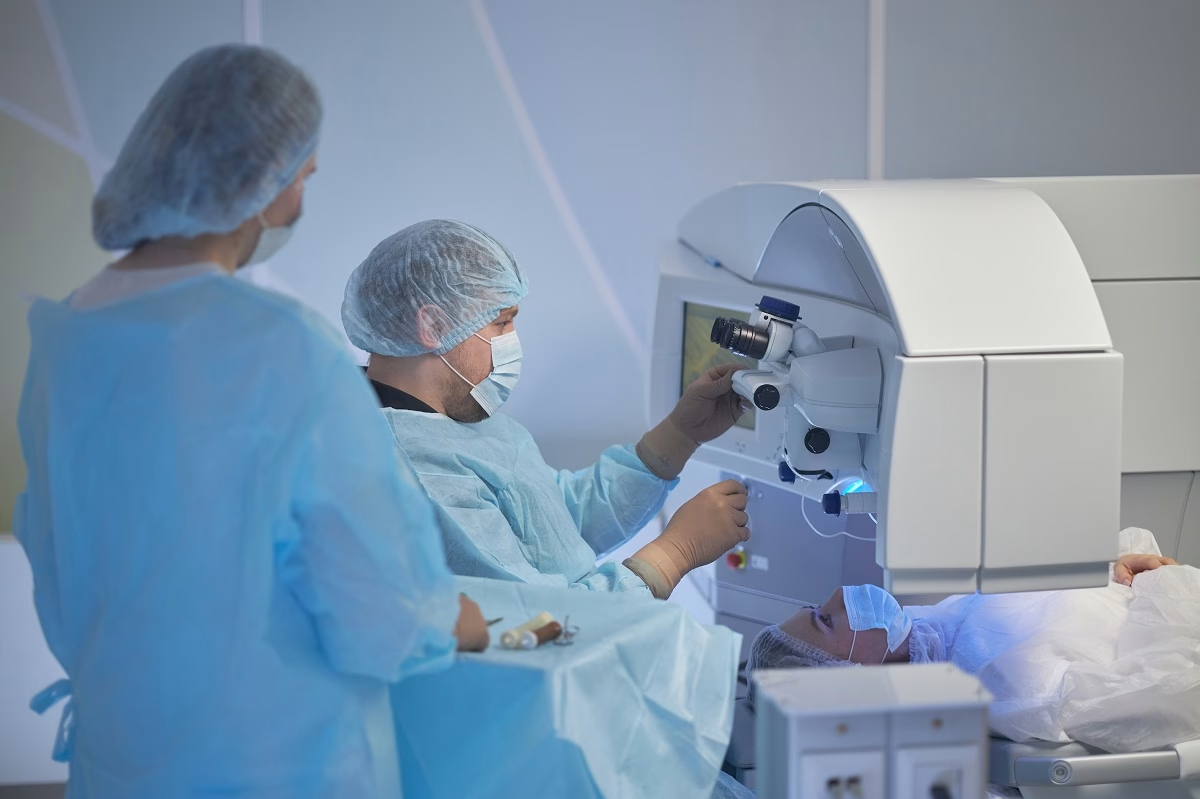
- Surgery to remove the tumors and treat cataracts
- Radiation therapy and chemotherapy – These are cancer treatments used to destroy cancerous cells. While doctors may prescribe both treatments, they may recommend one of them to shrink a large tumor before surgery or destroy cancerous cells that may remain after surgery.
- Hearing aids – Doctors may recommend cochlear implants to improve hearing problems.
- Assistive devices (such as glasses for vision loss)
- Mobility devices to improve movement
- Medicines to ease pain
Usually, to treat this condition symptoms and complications people need a healthcare team. For example, neuro-oncologists, neurosurgeons, ENT surgeons, audiologists, genetic counselors, and others.
Furthermore, cancer treatments (including radiation therapy and chemotherapy) may cause some adverse reactions. These include:
- Diarrhea
- Nausea
- Vomiting
- Appetite changes
- Hair loss (one of the most common side effects of chemotherapy)
- Extreme tiredness
- Constipation
Inform your doctor if any of the previous symptoms occur.
Frequently Asked Questions
When should I see a healthcare provider?
If you experience any of the following symptoms, immediately contact your healthcare professional. These include:
- Hearing and vision changes
- Muscle weakness
- Paralysis
- Skin growths
- Persistent headaches
- Seizures
- Pain without an obvious reason
What is the life expectancy of a person with NF2?
In general, the life expectancy varies in people with this genetic condition. While some people die around 36-45 years old, with early diagnosis and proper care, people may live up to 84 years.
What is the difference between neurofibromatosis type 1 and type 2?
While both disorders are distinct genetic conditions that cause tumors, there is a difference in the gene that causes them. If you have additional questions, ask your healthcare provider.

