

A health condition in which the airway narrows in the nose, causing breathing problems, is called nasal valve collapse. However, it may also cause other symptoms, including difficulty sleeping, a stuffy nose, and others. Usually, doctors recommend surgery to correct the nasal valve collapse (especially if you have other structural problems, such as a deviated septum).
The nasal valve is a passageway that filters the air you breathe through the nostrils. It starts from the middle of the nose to the bottom. In people with nasal valve collapse, the nose may look thinner or sunken where the valve is narrowed. However, it is not always visible.
In general, this is one of the most common causes of nasal obstruction. This condition affects many people. It often occurs when there is a blockage that reduces airflow in the nasal cavity.
Types of Nasal Valve Collapse
Normally, the nasal valve has two major sections, the internal nasal valve and the external nasal valve. These sections are located in different parts of the nasal cavity and are surrounded by supporting structures. Check below the types of this condition:
- Internal nasal valve collapse – It is the most common type of this disorder, and it affects the middle part of the nose.
- External nasal valve collapse – This type of nasal valve collapse occurs rarely and affects the bottom of the nose (near the nostrils). It usually causes both nostrils to collapse when you breathe through the nose.
Symptoms
While the primary symptom of this condition is difficulty breathing through one or both nostrils, you may also experience the following symptoms. For example:
- Dyspnea that may worsen during physical activity or when you are lying down
- Mouth breathing during the day
- Snoring (during the night)
- Nasal congestion (also known as a stuffy nose)
- Different appearance of the nose (especially in people with external nasal valve collapse)
If you experience any of the previous symptoms, immediately contact your healthcare professional. Ignoring the symptoms may lead to serious health problems.
Causes and Risk Factors
Nasal valve collapse occurs due to weakening of the supportive tissue (such as cartilage). It often occurs due to anatomical differences, surgery, or injuries. As a result, the nasal valve narrows. However, physicians have identified some factors that may contribute to nasal valve collapse. Check below the most common risk factors:
- A deviated septum – This is one of the most common causes of nasal valve collapse. Most people with this condition also have a deviated septum. Generally, the septum is a thin strip of cartilage and bone located in the center of the nose. It is considered deviated when it is crooked or bent. In normal circumstances, it divides the nasal valve into 2 evenly sized parts. If even one part of the nose is uneven, it may lead to nasal valve collapse.
- Nasal structure – Some people are born with specific characteristics that significantly increase the risk of developing this condition (such as a deviated septum). The risk may also increase if the baby has narrow nostrils, a widened area between the nostrils (columella), or a nose that sticks out from the face (also called an over-projecting nose).
- Nose job – In some cases, people may develop nasal valve collapse after a surgery on the nose called rhinoplasty. However, in such cases, the condition is often mild.
- Aging – The tissues that support the nasal valve may lose strength over time.
- Injury – Trauma to the tissues and bones inside the nose may also contribute to nasal valve collapse.
- Congenital (present at birth) weakness of the nose
- Nasal fractures
- Inflammation
- Age-related atrophy
This article does not contain all possible factors that increase the risk of developing nasal valve collapse. For more details, discuss it with your healthcare professional.
Diagnosis
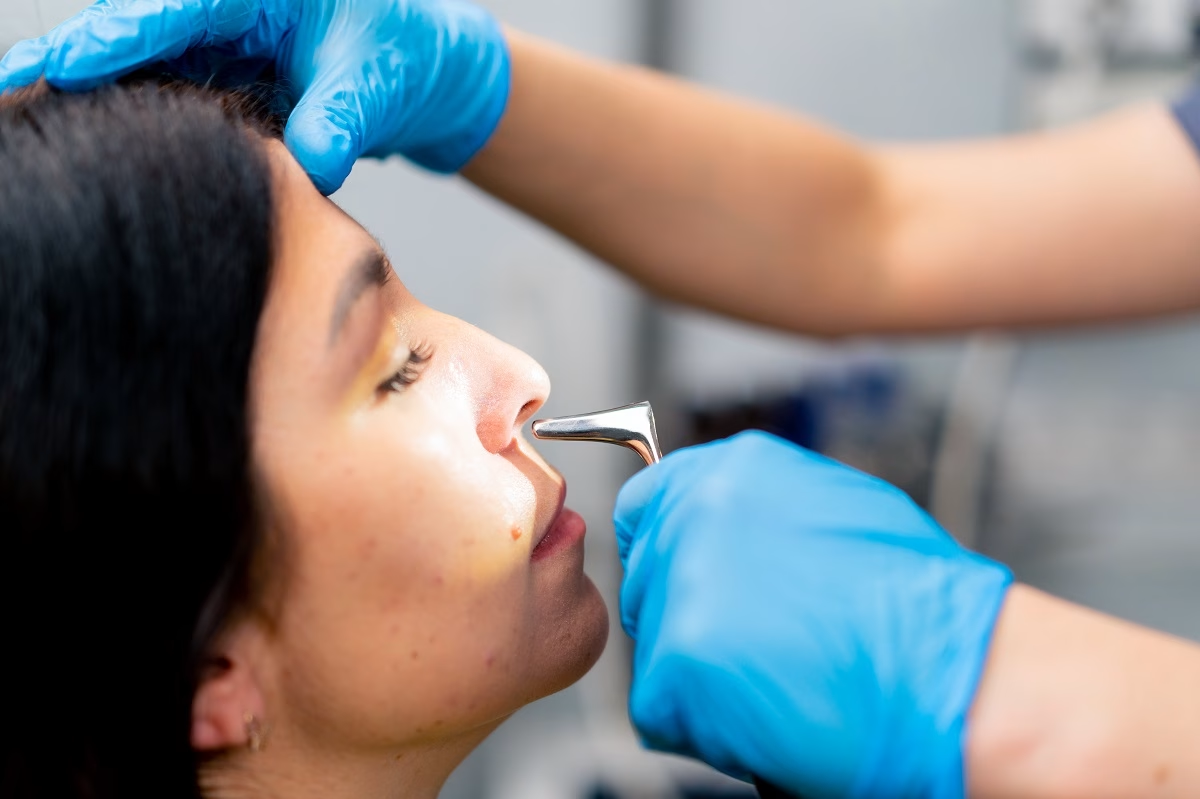
The diagnosis of this condition usually begins with a physical examination to check for abnormalities linked to the disease. They may also ask some questions from the nasal obstruction symptom evaluation (NOSE) questionnaire. It helps rank the symptoms from mild to severe. Furthermore, these questions may also help determine how breathing difficulties, sleeping problems, and stuffiness affect your quality of life. However, if it is not clear, doctors may also perform the following tests to confirm or rule out this condition. Check some examples below:
- Endoscopy – This test involves an endoscope (a long and flexible tube with a lighted camera on the end) to examine the inside of the nose.
- Cottle maneuver – During this test, doctors often pull the check to the side to widen the nasal valve. Therefore, they perform a modified technique that involves a small tool or cotton swab to widen the nostril on the affected part of the nose. In general, this test helps determine the exact location of the collapse.
Treatment
While the primary treatment for nasal valve collapse is surgery, in mild cases, doctors may treat it with non-surgical options. For example:
Treatment without Surgery
These include:
- Breathing strips – These strips are stuck outside the nose, which helps lift the skin and keep the affected nostril open. It helps improve breathing and sleep better at night.
- Internal nasal dilators – These dilators are placed inside each nostril. They put pressure on the cartilage outward, which helps widen the nasal valve.
Surgery
Usually, most surgeries are outpatient, which means you can go home on the same day of surgery. Check below the most common options:
- Grafting – During this procedure, surgeons will remove cartilage or bone from another part of the body (such as the ear or rib) to restore tissue into the nose. Extra tissue often helps widen the nasal valve. While the most common grafting technique is called the Alar Batten graft, there are multiple others.
- Implants – This treatment involves implanting a device that supports the cartilage in the nose. These implants may include a butterfly-shaped device and an injectable implant called Latera.
- Suture suspension – In such cases, the surgeons will use sutures to connect tissue from the nasal valve to tissue beneath the eye. It helps lift the nasal valve upward and outward, which widens the nostrils.
In some cases, doctors may also recommend the following surgeries to address problems that have caused nasal valve collapse. Examples include:
- Septoplasty – This surgery is used to treat a deviated septum.
- Turbinate reduction – Physicians often prescribe this treatment to reduce the size of the turbinates (bony structures inside the nose).
Frequently Asked Questions
Does nasal valve collapse get worse?
Although rare, the condition may worsen. For instance, if you develop this condition due to problems with structures that support the nasal passages, they may continue to fall without treatment.
What is the outlook for nasal valve collapse?
In most cases, people get better with treatment. It usually helps breathe more easily and sleep better. If you suspect you have nasal valve collapse, do not hesitate to see a doctor.
How serious is nasal valve collapse?
This condition may cause serious health problems, especially if you develop a severe form or leave it untreated. For example, chronic fatigue (extreme tiredness) caused by poor sleep quality, snoring, difficulty concentrating and focusing, discomfort while exercising or even walking, and others. That’s why it is advised to get treatment as soon as possible if you are diagnosed with nasal valve collapse. Ask your healthcare provider if you have any other questions.

