
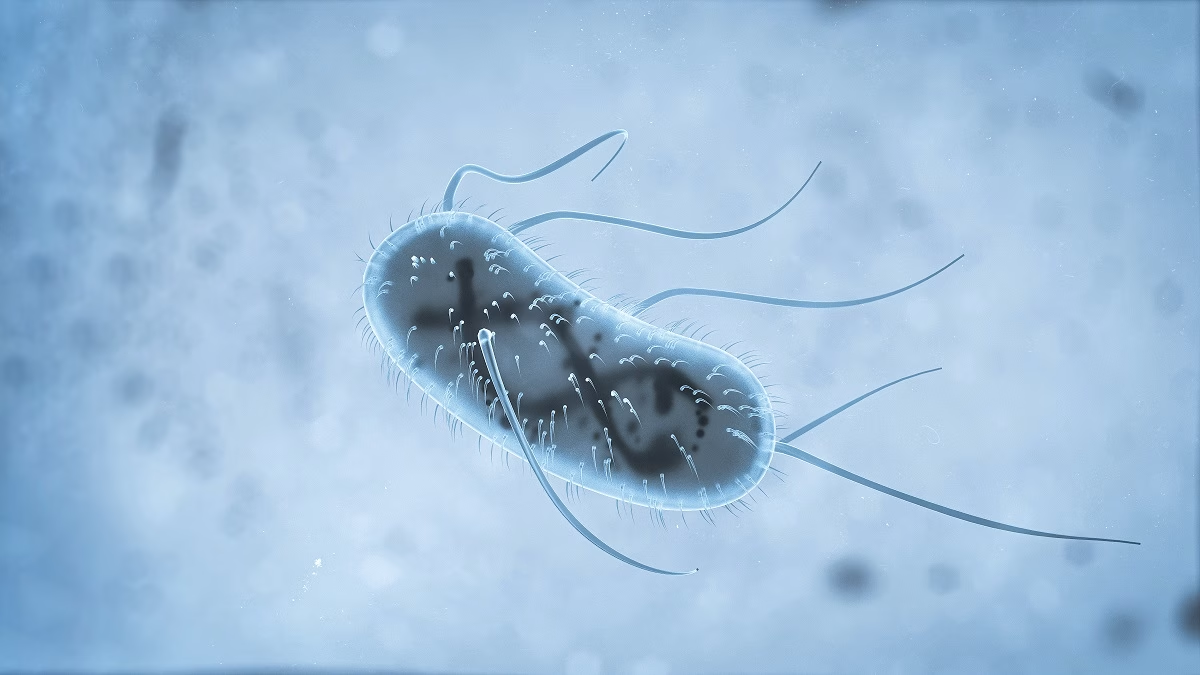
An infection caused by the bacterium B. pseudomallei is called melioidosis. It often lives in soil and water surfaces (mostly, in Southeast Asia and Northern Australia). Usually, the bacterium enters the body through small breaks or cracks in the skin or when you breathe it in or swallow it. In general, this bacterial infection is considered a medical emergency that requires immediate treatment.
Moreover, both humans and animals can get this infection, but animals cannot infect humans. Sometimes, this condition is called Whitmore’s disease. Most of the time, melioidosis affects adults 40 to 60 years old with specific underlying conditions. In rare cases, this bacterial infection may affect children under 15 years old.
Symptoms
The symptoms of this infection are often different among people because they depend on where the infection is located in the body. For instance, you may have symptoms of infection in the skin, blood, lungs, and other body parts.
Pulmonary Melioidosis Symptoms
These include:
Symptoms of Melioidosis in the Skin
- Sores, ulcers, or abscesses
- Fever
- Swollen lymph nodes
Symptoms of Melioidosis in the Blood
People who have symptoms of this infection in the blood (septicemia) may also have symptoms of this infection in the skin and lungs at the same time. Check some septicemia symptoms below:
- Extreme tiredness (fatigue)
- Trouble breathing
- Abdominal pain
- Joint pain
- Confusion, disorientation, or other mental health problems
- Headaches
- High fever
Symptoms of Chronic Melioidosis
In some cases, people may develop symptoms over time. In such cases, the bacterium that causes this infection spreads throughout the body. Check some chronic melioidosis symptoms below:
- Coughing up blood
- Headaches
- Seizures
- Stomach or chest pain
- Muscle or joint pain
- Night sweats
- Unusual weight loss
- Fever
- Chronic (long-term) cough
Do not hesitate to visit a healthcare professional if any of the previous symptoms occur. Otherwise, it may lead to serious and even life-threatening complications.
Causes and Risk Factors
This infection is caused by a bacterium called B. pseudomallei, which often lives in surface water (such as rivers, lakes, or streams) and soil (mostly in tropical or subtropical areas). Furthermore, melioidosis commonly affects people during the rainy season or after heavy rainfall. Usually, people get infected with this bacterium in the following ways. For example:
- Inhalation (by breathing it in)
- Through a crack or break in the skin
- Aspiration (getting contaminated water into the lungs)
- Ingestion (eating or drinking products contaminated with this bacterium)
In addition, healthcare professionals have identified some factors that may elevate your risk of developing melioidosis. Check some examples below:
- Alcohol use disorder
- Chronic kidney disease
- Chronic lung disorders (including cystic fibrosis or COPD)
- Diabetes
- Thalassemia
- Certain health conditions that weaken your immune system (such as HIV infection, cancer, and others)
- Jobs or hobbies that put you in direct contact with soil or surface water (including gardening, landscaping, or farming)
What Are The Possible Complications of Melioidosis?
In general, this is a medical emergency that requires immediate treatment. Otherwise, it may lead to the following health conditions. Check some examples below:
- Septic shock and sepsis – These are life-threatening complications that, without immediate treatment, may lead to death.
- Organ abscesses – This infection commonly causes abscesses in the liver, spleen, prostate gland, kidney, or brain.
- Respiratory failure – These include acute, severe pneumonia that often resembles tuberculosis.
- Neurological problems – For example, encephalomyelitis or brain abscesses.
- Musculoskeletal infections – Some people may develop osteomyelitis (bone infection) or septic arthritis (joint infection).
- Hemophagocytic lymphohistiocytosis (HLH) – This is a severe and overactive inflammatory syndrome.
- Chronic melioidosis – People who have this condition for 1-2 months may develop the long-lasting form of this infection as well as weight loss, chronic lung problems, and abscesses.
The previous list does not contain a complete list of complications, but you can consult with your doctor about ways to reduce the risk of developing them.
How to Prevent Melioidosis?
Your physician may recommend some tips that may help prevent melioidosis, especially in areas where it is common. Check some tips below:
- Avoid direct contact with soil and standing water, especially if you have chronic health conditions (such as diabetes or chronic renal disease).
- Wear waterproof boots when walking in wet soil, pooled water, or mud, or gloves while gardening or working with soil.
- Regularly take a shower, especially after being in soil or muddy water.
- You can also wear a mask that covers the mouth and nose while mowing the lawn, weed whacking, or using a high-pressure spray around soil.
- Immediately visit a doctor if you think you have been exposed to B. pseudomallei.
Diagnosis
Physicians usually diagnose this condition by performing a physical examination and asking some questions about your symptoms and medical history. They may also ask some questions about the last places you traveled. However, to confirm or rule out melioidosis, they will take a sample of the following fluids for testing. For example, blood, urine, sputum (phlegm), or pus form a skin wound.

Treatment
Most of the time, doctors treat this bacterial infection with two phases of broad-spectrum antibiotics. In the first phase, doctors will give you IV (intravenous) medicines for at least 2 weeks. Thereafter, you may need to take oral antibiotics for at least 3 months. It is very important to follow the treatment with antibiotics exactly as prescribed by your doctor. Otherwise, the infection may return, and it often becomes more difficult to treat.
Usually, doctors recommend the following injected antibiotics. These include Meropenem, Imipenem, or Ceftazidime. In the second phase of the treatment, you may get a prescription for the following oral antibiotics. Examples include Trimethoprim/sulfamethoxazole (TMP/SMX) or Amoxicillin/clavulanic acid (co-amoxiclav).
Frequently Asked Questions
Can melioidosis be cured?
Yes, doctors often prescribe a two-phase course of antibiotics to treat this bacterial infection. However, this treatment may not help if an infected person does not get it right away. This is a serious condition that worsens quickly. For more details, discuss it with your doctor.
Is melioidosis fatal?
In general, the mortality (death) rate is about 10% to 20% with appropriate treatment.
When should I go to the ER?
If any of the following symptoms occur, immediately call 911 or go to the nearest emergency room (ER). These include:
- Chest pain
- Seizures
- Confusion
- Severe or sudden dyspnea (shortness of breath)
- Severe abdominal (belly) pain
- High fever (over 103 F or 39.4 C)
If you have any other questions, ask your healthcare provider.