
A highly contagious infection that occurs due to a virus, and without treatment, can cause life-threatening complications, is called measles (also known as rubeola). People who develop it often experience a high fever, rash, cough, and red eyes. One way to prevent this disease is the measles vaccine.
Furthermore, before it was a part of routine childhood immunization, this infection has caused millions of deaths worldwide. However, there are still causes in the U.S. each year. Unfortunately, there is no specific treatment or cure for measles. It is also important to know that measles (rubeola) is not the same as German measles (rubella).
Symptoms
In most cases, people who get measles experience the following symptoms. Examples include:
- Runny nose
- Cough
- High fever
- Tiredness
- Red or bloodshot eyes
- Rash
- Digestive symptoms (including diarrhea, stomach pain, and vomiting)
- Sore throat
- Muscle pain
- Headaches
- Red spots with white centers in the mouth (also known as Koplik’s spots)
However, the symptoms of this infection do not appear all at once. For instance, a fever, cough, runny nose, and red eyes may appear first. Then you may notice Koplik’s spots after 2-3 days. The skin rash usually appears within 5 days after you notice the first symptoms. Moreover, a high fever often occurs at the same time as a skin rash. In any case, contact your healthcare professional if any of the previous symptoms occur.
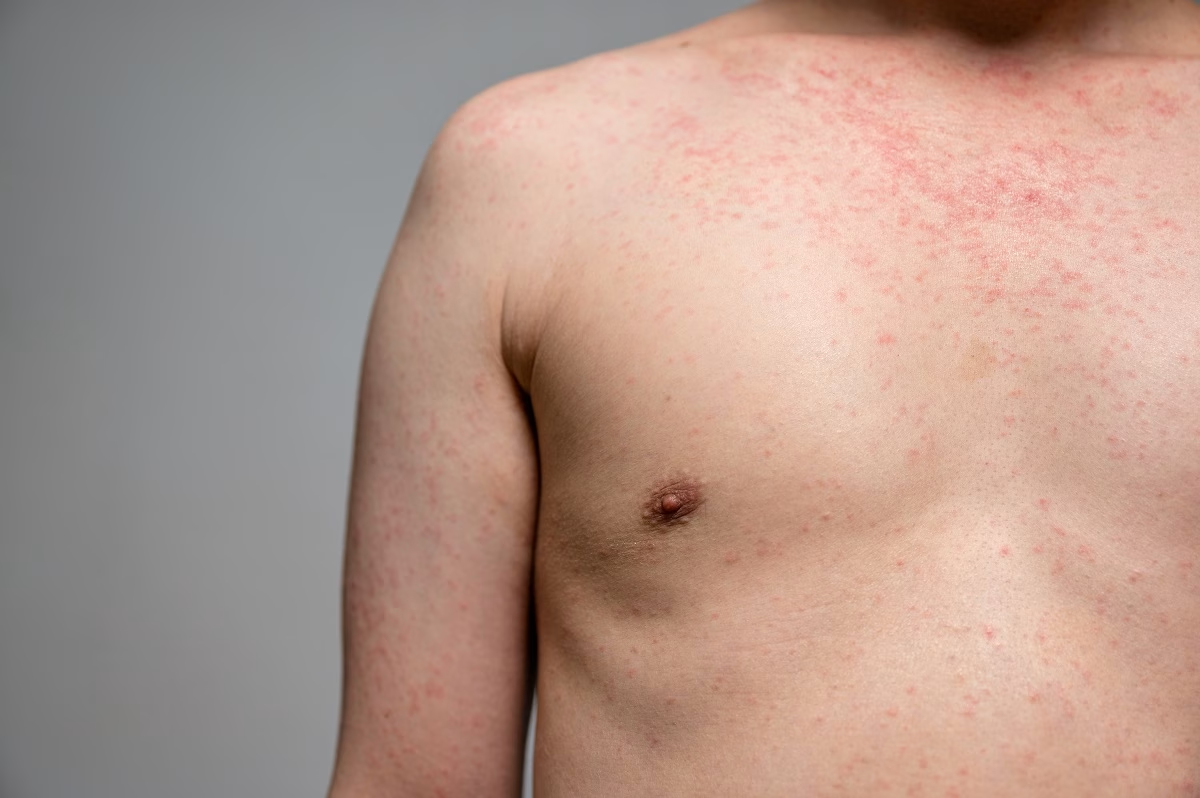
What Does Measles Look Like?
Commonly, measles rash begins as flat spots on the face. These spots often appear red on lighter skin and purple or darker than the skin around it on dark skin. Sometimes, the rash may spread down the neck, chest, back, arms, legs, and feet. When it occurs, the spots may blend together. Usually, the rash does not cause itching.
Causes and Risk Factors
This infection occurs due to the measles virus (genus Morbillivirus). It is also an airborne disease, which means it can spread through the air when an infected person coughs or sneezes. Thus, the airborne droplets that remain in that room are contagious for up to 2 years even after the person with measles is gone. These droplets may also contaminate the surfaces you touch. Check below some ways in which this virus spreads:
- Close contact with infected people, including sharing food or drinks, kissing, shaking hands, hugging, or talking.
- Touching contaminated surfaces and then your eyes, mouth, or nose.
- Vertical transmission – It occurs when the virus passes from a pregnant woman to the fetus or baby during pregnancy, delivery, or while breastfeeding.
Furthermore, healthcare professionals have identified some factors that may elevate your risk of developing rubeola. Check some of them below:
- Age – The risk of developing measles increases in people older than 20 and younger than 5.
- Weakened immune system – If you have disorders that weaken your immune system (such as cancer, HIV infection, and others) or administer certain medicines (including immunosuppressants), you are more prone to measles.
- Lack of vaccination
- International travel – If you are traveling to countries where measles is common, the risk of getting it significantly increases.
- Malnutrition – Children who do not get enough nutrients and vitamins (especially vitamin A) are at increased risk of developing serious complications if they get measles. These include blindness, severe diarrhea, and even death.
- Pregnancy – If a pregnant woman gets measles, it leads to an increased risk of miscarriage, low birth weight in infants, and other pregnancy complications.
What Are The Possible Complications of Measles?
The complications of this infection range from mild to life-threatening. Check some of them below:
- Ear infections
- Dehydration
- Bronchitis
- Laryngitis
- Pneumonia
- Complete vision loss (blindness)
- Encephalitis (brain swelling)
- Subacute sclerosing panencephalitis (SSPE) – This complication occurs rarely, but it is a fatal nervous system infection that may happen years after a measles infection.
- Brain inflammation that often occurs in people with weakened immune systems
- Death
- Pregnancy complications – These include preterm birth, low birth weight, miscarriage, and others.
The previous list does not contain all possible measles complications, but you can consult with your doctor about measures to reduce the risk or even prevent them.
How to Prevent Measles?
The measles vaccine is extremely effective in preventing measles. Usually, to be fully protected, you should get two doses of one of the following vaccines. For example:
- Measles, mumps, rubella (MMR) vaccine
- Measles, mumps, rubella, varicella (MMRV) vaccine
Most of the time, people get one of the previous vaccines during childhood. Moreover, it helps prevent measles, but if you get only one dose, you still can get this infection.
Diagnosis
Usually, doctors begin diagnosing measles with a physical examination to check for abnormalities associated with the disease, and they may ask about your medical history, symptoms, and any countries you have recently visited. In any case, to confirm or rule out rubeola, doctors may perform the following tests. For example:
- Blood tests
- Swab from your nose or throat
- Urine test (also called urinalysis)

Treatment
Unfortunately, there is no way to cure or treat measles. However, doctors may give you vitamin A to reduce the risk of life-threatening complications. Do not take vitamin A without your doctor’s approval because it may lead to serious health problems (such as organ damage). For instance, increased levels of vitamin A in the blood may lead to a serious condition called vitamin A toxicity. Most people who develop measles will experience symptoms between 10 and 14 days if they do not develop complications.
Frequently Asked Questions
When should I see my healthcare provider?
In general, it is recommended to see a doctor if you have questions about vaccination, have been exposed to the measles virus, or want to check levels of measles antibodies to determine whether you have immunity to this virus. Immediately call 911 or go to the nearest emergency room (ER) if any of the following symptoms occur. Examples include chest pain, breathing problems, neck stiffness, sensitivity to light, confusion, severe headaches, or severe vomiting or diarrhea.
Do you have to isolate with measles?
Yes, it is recommended to isolate from other people for at least 4 days after the symptoms appear. You should also wear an N95 mask and drink plenty of water to prevent dehydration.
Is measles contagious?
Yes, this is a highly contagious infection that easily spreads from one person to another. According to some experts, about 9 out of 10 people will get the infection if they stay in a room with an infected person (especially if they are unvaccinated).
Can you treat measles at home?
While most people with measles should stay for a few days in a hospital, in mild cases, doctors may recommend the following options to relieve the symptoms and prevent complications. For example:
- Get plenty of rest
- Drink lots of fluid to prevent dehydration
- Gargling with salt water
- Over-the-counter pain relievers (such as Acetaminophen or NSAIDs to relieve aches, pains, or fever)
If you have any other questions, ask your healthcare provider.