
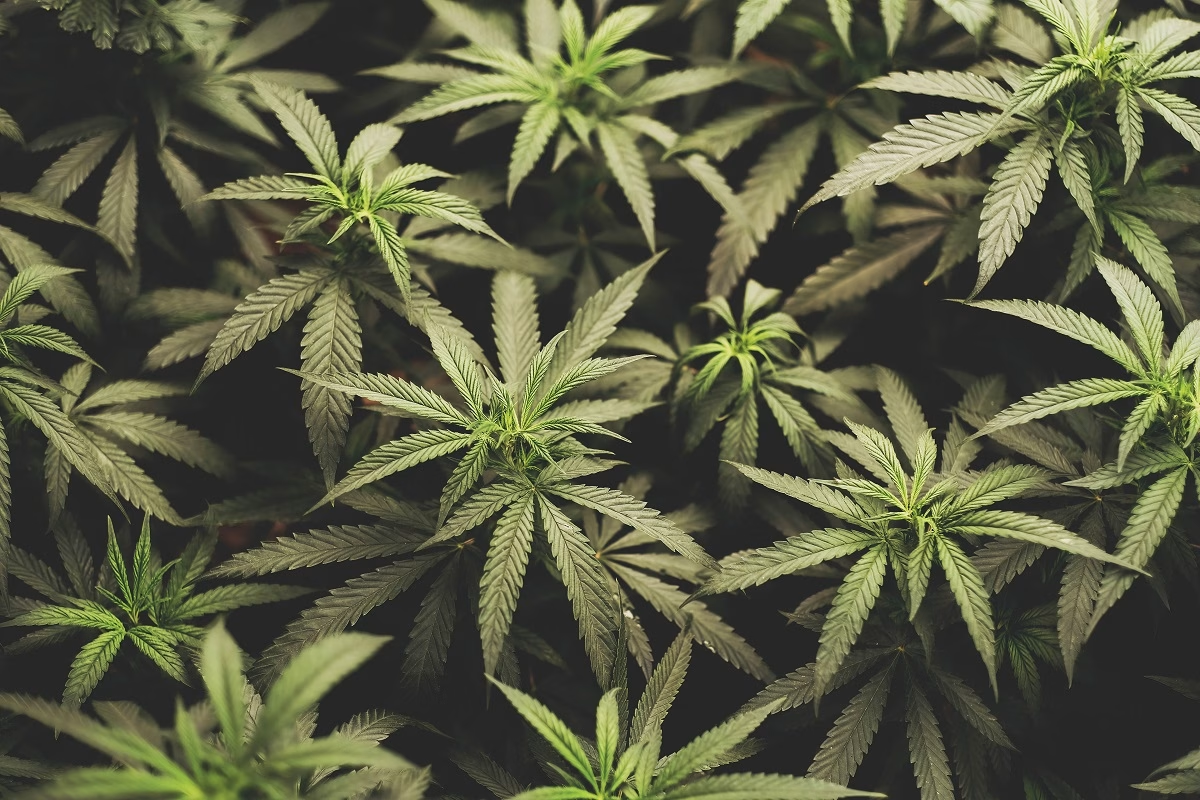
The medical term that describes a person who stops using marijuana (weed) after regular use is marijuana withdrawal. People often experience the following symptoms, including aggression, insomnia (sleep disturbances), and anxiety. While the previous symptoms are not dangerous and do not need medical attention, sometimes, these symptoms may indicate cannabis use disorder, which needs professional care.
In other words, marijuana withdrawal is a combination of mental, emotional, and physical symptoms that a person experiences when stops using marijuana. According to the DSM-5, this condition is known as cannabis withdrawal syndrome.
It is important to understand that marijuana products contain a psychoactive component that has addiction potential. Therefore, when a person stops using it, it leads to a lack of THC (tetrahydrocannabinol) in the body, causing unpleasant symptoms (such as irritability). In general, you should visit a doctor for a diagnosis and treatment if you have any type of addiction disorder (including substance use disorder).
Generally, a study of more than 23,000 people has found that about 50% of people who used marijuana regularly have experienced withdrawal symptoms. Furthermore, the levels of THC in marijuana have increased over the past decades. It may cause more frequent marijuana withdrawals in people who stop using it.
Symptoms
Most of the time, people experience the following symptoms. For example:
- Nervousness
- Anxiety
- Anger, irritability, and aggression
- Reduced appetite, which may lead to weight loss
- Depression
- Mood swings
- Sleep disturbances (insomnia) or nightmares
However, some people may also have the following physical symptoms, but it is less common. Check some examples below:
- Nausea
- Vomiting
- Excessive sweating
- Headaches
- Abdominal (belly) pain
- Tremors (shakiness)
Usually, people begin to experience withdrawal symptoms within 48 hours after stopping the use of marijuana. The most severe symptoms are often experienced by people on the third day.
How Long Does Marijuana Withdrawal Last?
The duration of withdrawal symptoms depends on the amount of marijuana you consumed before stopping. Usually, the severity and length of the symptoms vary significantly among people. For instance, some people may have symptoms for 1-2 weeks, but others for 4 weeks.
Causes and Risk Factors
Currently, scientists are studying all the mechanisms that go into marijuana withdrawal. They have identified that it is based on complex interactions that involve the following things. For example:
- THC-induced neurobiological changes
- Genetic and epigenetic factors
- Environmental factors
- Mental disorders
- Other substance use disorders
- Personality traits
- Personal stress response
These symptoms often occur when a person regularly uses marijuana. Thus, the body may build tolerance and dependence. The term “tolerance” means that a person can take larger doses of THC to experience effects. Dependence occurs when the body needs THC to avoid withdrawal symptoms. Those who suddenly stop or significantly decrease the intake of marijuana experience an imbalance in the body, which causes the previous symptoms.
Healthcare professionals have also identified some factors that may increase your risk of developing marijuana withdrawal. However, not everyone who uses cannabis experiences these symptoms. Check some risk factors below:
- Daily use of marijuana
- Use more potent marijuana (higher levels of THC) that involves a concentrated form of THC, with levels as high as 80%
- Using both tobacco products and marijuana
- Other substance use disorders (such as alcohol use disorder)
People who already have mental disorders may experience more severe withdrawal symptoms. For example:
- Mood disorders
- Anxiety disorders
- Personality disorders
- Post-traumatic stress disorder (PTSD) and others
How to Prevent Marijuana Withdrawal?
One sure way to avoid marijuana withdrawal is to avoid using it at all. Most people who use marijuana cannot prevent withdrawal. Check below some tips that doctors often recommend to people who use marijuana:
- Reduce the amount and frequency you use marijuana
- It is important to avoid products that contain high levels of THC
- The way you use marijuana (such as smoking, eating, or dabbing)
- Visit a doctor if you experience symptoms that resemble cannabis use disorder
Diagnosis
There are no specific tests that can diagnose marijuana withdrawal. However, doctors can detect it if you have 3 or more withdrawal symptoms that last about 1 week, especially if you have significantly reduced or stopped the use of marijuana. Sometimes, doctors may perform blood tests to make sure the symptoms are not caused by other reasons.

Treatment
In general, marijuana withdrawal rarely needs medical treatment. Most people need detoxification in a hospital or facility, especially in the following cases. Examples include:
- Use or misuse multiple substances, including opioids, alcohol, and Benzodiazepines in addition to marijuana. In such cases, withdrawal symptoms can be dangerous and even fatal.
- Severe cannabis use disorder
- Have a physical condition for which withdrawal symptoms may worsen
- Already have one or more mental disorders
Nowadays, there are no FDA (Food and Drug Administration) approved medicines to treat marijuana withdrawal. However, researchers are studying medicines for medically assisted withdrawal (MAW) of marijuana.
It is also important to understand that withdrawal symptoms increase the risk of marijuana use relapse. That’s why some people may need medical care. One of the most common treatments used to treat cannabis use disorder is psychotherapy. Check some types of psychotherapy (also known as talk therapy) below:
- Cognitive behavioral therapy (CBT) – This treatment is often used to treat mental disorders. It helps you examine and manage emotions and thoughts.
- Dialectical behavior therapy (DBT) – This is an effective therapy used for people who have difficulty regulating their emotions. In general, DBT helps people with multiple mental disorders (including cannabis use disorder).
- Contingency management (CM) – During this treatment, you will learn about healthy behaviors.
Frequently Asked Questions
When should I see my healthcare provider about marijuana withdrawal?
You should visit a doctor right away if the symptoms are severe or if you already have a mental disorder.
What are the stages of marijuana withdrawal?
- 3-5 days – Most of the time, people experience the most severe symptoms on the third day after the symptoms begin.
- 7-10 days – The symptoms will peak within 10 days.
- 10-20 days – While some people no longer experience symptoms after 14 days, some may continue to have symptoms up to 3-4 weeks.
What drug has the highest addiction potential?
While the most addictive drug is heroin, there are other dangerous substances, such as alcohol (legal but dangerous), cocaine (the feel-good drug), and barbiturates (intensely addictive). Ask your healthcare provider if you have additional questions.