
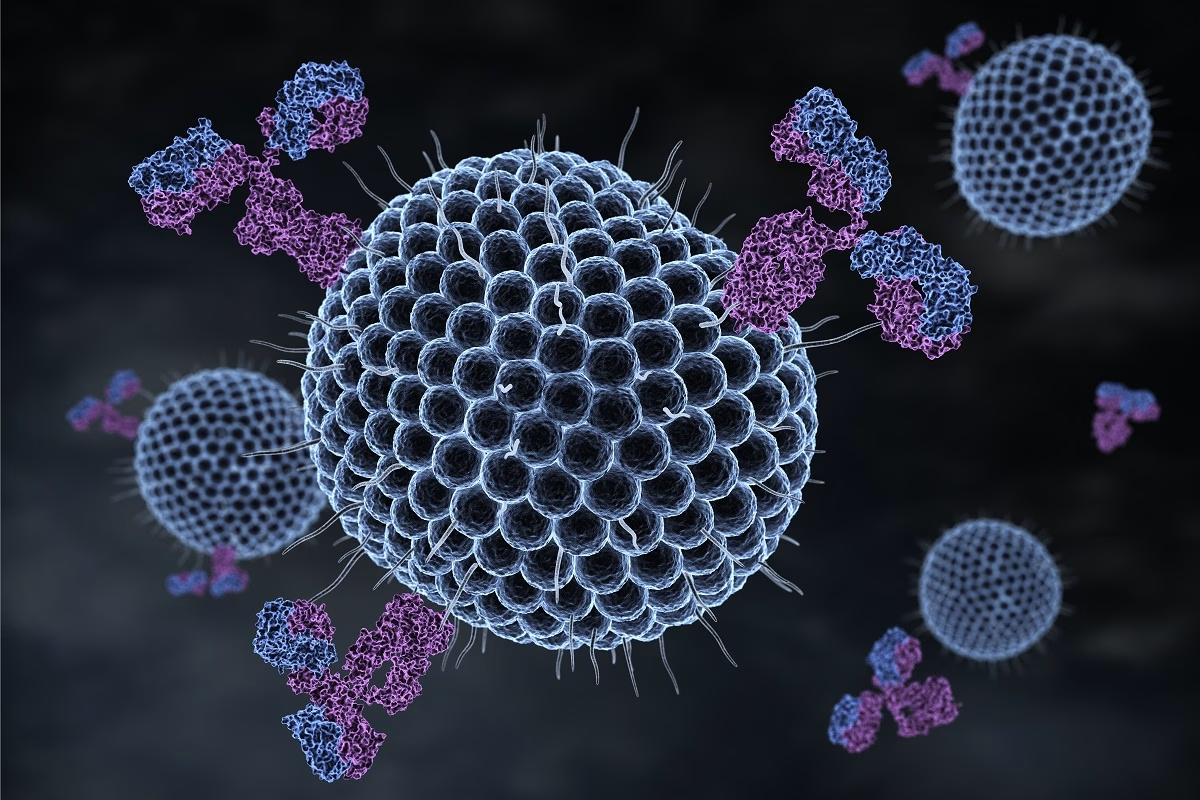
A serious health condition that occurs rarely but is often fatal and occurs due to direct contact with the body fluids of infected bats or people is called Marburg virus disease (MVD). People who get this condition often experience fever, headaches, rash, vomiting, bleeding, and confusion. The only way to prevent serious complications is to get treatment as soon as possible.
Sometimes, MVD causes outbreaks in African countries. In most cases, outbreaks start by spreading from bats and primates (such as monkeys) to humans. Moreover, MVD is a contagious condition that can spread from one person to another, causing outbreaks. In addition, Marburg virus disease is a viral hemorrhagic fever caused by a virus that causes damage to the blood vessels. It is a part of the same family of viruses as Ebola.
How Common is Marburg Virus Disease?
In general, it occurs rarely, but there are sometimes outbreaks in some parts of Africa. During an MVD outbreak, there are hundreds of people infected at the same time.
Marburg Virus Outbreaks
The most recent MVD outbreak was in February 2023 in Equatorial Guinea with 16 confirmed cases and 12 deaths. However, there are other unrelated outbreaks in Tanzania in March that have 8 confirmed cases and 5 deaths. Check below for other large outbreaks of MVD:
- Uganda in 2012 – There were 15 infected people, and 4 of them died.
- Angola from 2004 to 2005 – During this time, about 250 people were infected, and about 80% of them died.
- Democratic Republic of Congo (DRC) from 1998 to 2000 – Most diagnosed cases during this outbreak were in mine workers and their families. Approximately 160 people were infected, and 128 of them died.
- Germany and Yugoslavia in 1967 – During this period were 2 outbreaks of MVD at the same time in Europe. Both of them were among the workers who handled African green monkeys from Uganda. Moreover, there were 31 infected people, and 7 of them died.
Symptoms
Usually, the symptoms of MVD occur in 2 phases. The first one lasts for about 5-7 days and may include the following symptoms. For example:
- Fever
- Chills
- Severe headaches
- Cough
- Muscle or joint pain
- Sore throat
- Rash with raised and flat areas (also known as maculopapular)
The second phase of the symptoms may occur after a day or two without symptoms. Check some examples below:
- Diarrhea
- Dizziness
- Unexplained weight loss
- Vomiting
- Abdominal or chest pain
- Blood in the vomit or poop
- Bleeding from the mouth, eyes, vagina, or nose
- Confusion
Immediately call 911 or go to the nearest emergency room (ER) if any of the previous symptoms occur. Without immediate treatment, MVD is often fatal.
Causes and Risk Factors
There are 2 related viruses that cause Marburg virus disease. These include Marburg virus (MARV) and Ravn virus (RAVV). Moreover, these viruses are also related to the virus that causes Ebola. In general, MVD is characterized by damage to the blood vessels and severe bleeding. People often get infected with one of these viruses through the body fluids of infected humans or animals. For example:
- Stool (poop)
- Urine (pee)
- Breast milk
- Semen
- Vaginal fluids
- Blood
- Saliva (spit)
Rarely, people may get the virus from contaminated surfaces, objects, or medical devices.
Physicians have also identified some factors that may increase your risk of developing MVD. Check some of them below:
- Working in mines, caves, or other environments where fruit bats live, or working with animals that may carry the virus
- Direct contact with infected animals or people
- Medical personnel, especially in areas where the virus is common.
- This virus may also spread among humans through sexual contact
What Happens if Marburg Virus Disease is Left Untreated?
People who do not get treatment as soon as possible may experience serious and even life-threatening complications. Check some examples below:
- Hemorrhagic fever – This complication causes severe and uncontrolled bleeding from multiple sites.
- Organ dysfunction – People with MVD may also experience damage to vital organs, including the kidneys, spleen, and liver.
- Systemic shock – This complication often occurs due to severe dehydration, fluid shifts, and bleeding.
- Neurological symptoms, such as severe headache, delirium, agitation, confusion, and others.
- Severe metabolic acidosis – It occurs due to an imbalance of pH in the body.
- Pregnancy complications (such as miscarriage or stillbirth)
Sometimes, people may experience complications after treatment. For example, transverse myelitis (inflammation of the spinal cord), orchitis (inflammation of the testicles in men), recurrent hepatitis, and others. However, the previous list does not contain all possible complications of MVD, but you can consult with your doctor about measures to reduce the risk or even prevent them.
How to Prevent Marburg Virus Disease?
Healthcare professionals may recommend some tips that may help reduce the risk of getting the viruses that cause MVD. Check some of them below:
- Protective equipment (including a mask, goggles, apron, and gloves) if you work or care for someone with MVD. Do not touch any of their body fluids, and regularly wash your hands after contact, even if you have gloves.
- Do not engage in unprotected sexual intercourse because the virus is present in the semen. Doctors often recommend using condoms or dental dams to prevent the spread.
- Avoid direct contact with anything that may contain the virus (including foreign objects, surfaces, and others).
- You should not touch people who died from MVD or use protective equipment (including funeral customs).
- Do not eat bush meat (the meat of wild animals) and avoid contact with fruit bats and animals that potentially are infected.
- It is also recommended to monitor yourself for 21 days after returning from places where there was an MVD outbreak.
- If you suspect MVD, you should isolate yourself from other people.
Diagnosis
The diagnosis of this serious health condition begins with a physical examination and questions about symptoms and places where you have recently traveled. Sometimes, it is quite difficult to diagnose MVD because it often causes symptoms that resemble other health conditions, including yellow fever, malaria, and typhoid fever. However, the only way to confirm or rule out this disease is a blood test.

Treatment
Unfortunately, there is no way to cure this virus, and there are no specific treatments for this disease. That’s why doctors may recommend the following options to relieve the symptoms, treat complications, and keep your disease stable. They often recommend:
- Intravenous (IV) fluids
- Oxygen therapy
- Pain relievers
Frequently Asked Questions
Is Marburg virus in the U.S.?
Generally, there are no known cases of Marburg virus infections that start or spread in the U.S. However, in 2008, a person who had traveled to Uganda developed symptoms of Marburg virus after they returned to the United States. However, this person made a full recovery and did not spread the virus to other people.
How do humans get the Marburg virus?
According to some experts, Egyptian rousettes (fruit bats) often carry MARV and RAVV. However, people get infected through contact with the body fluids or tissues from infected bats or animals (such as monkeys).
Is it possible to survive the Marburg virus?
While most of the time this virus survives, some people have survived. Generally, the mortality (death) rate is about 80%. However, there is a large difference in mortality rates during outbreaks that range between 23% and 90%. Ask your healthcare provider if you have any other questions.