
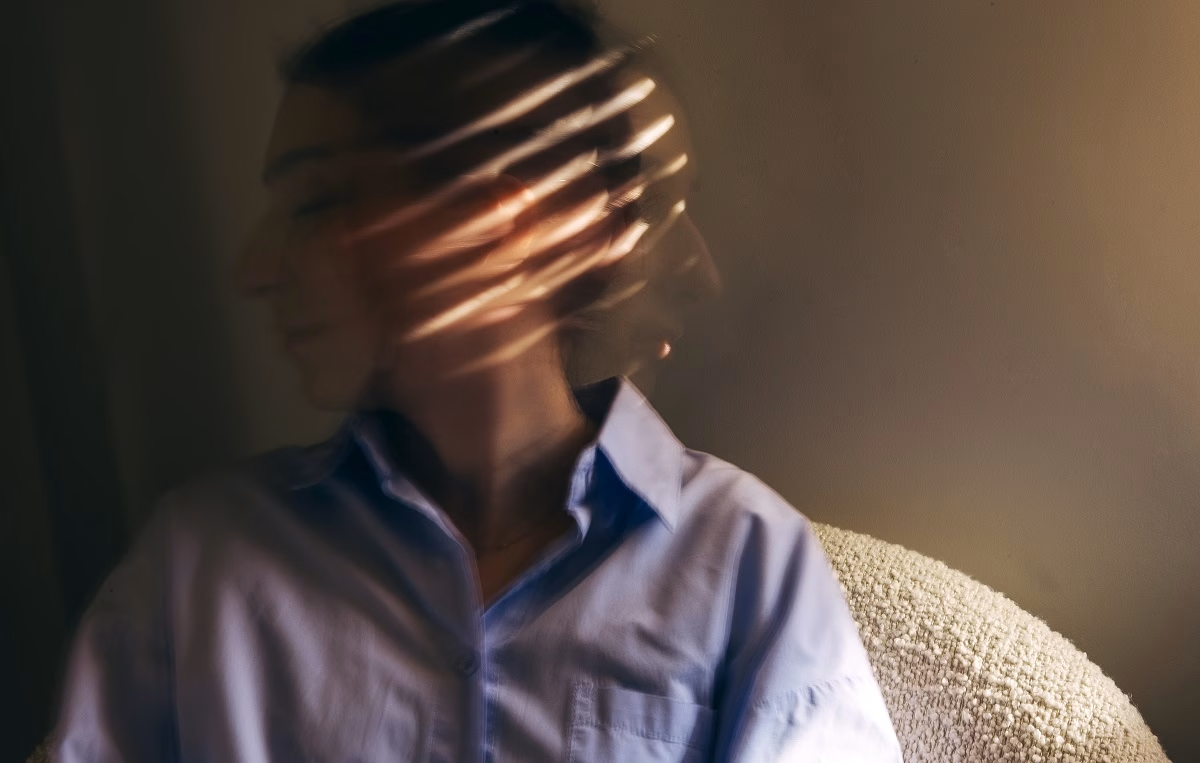
A health condition in which you experience extreme changes in your mood or emotions, energy level, or activity level is called mania. Those who develop this condition often experience feelings of invincibility, lack of sleep, racing thoughts and ideas, fast talking, and often have false beliefs or perceptions.
People with mania experience manic episodes. This is the period of time you experience one or multiple symptoms of mania, and it meets the criteria for a manic episode. In more severe cases, people are hospitalized.
Is Mania Always a Part of Another Mental Health Condition?
In general, people who experience manic episodes already have a mental disorder. Mania can be a part of multiple health conditions. For example:
- Bipolar I disorder (one of the most common conditions for mania to occur)
- Seasonal affective disorder
- Postpartum psychosis
- Schizoaffective disorder
- Cyclothymia
Bipolar I Disorder
This is a mental health condition in which the affected person has major high and low swings in mood, activity, energy, and ability to think clearly. It is often diagnosed when you have at least one episode of mania that lasts for more than 7 days or have one severe episode of mania that requires hospitalization. Most of the time, people with bipolar I disorder have recurring episodes of mania.
What Happens After a Manic Episode?
Usually, people feel happy, embarrassed about their behavior, overwhelmed, very tired, or depressed after a manic episode. Sometimes, they may also have unclear memories of what happened during the previous manic episode. For more details, discuss it with your doctor.
Symptoms
People with mania often experience the following symptoms. Examples include:
- Abnormally high level of activity or energy
- A feeling of happiness
- Lack of sleep (insomnia) or getting only a few hours of sleep
- Inflated self-esteem or thinking you are invincible
- Talking more than usual
- Racing thoughts (having a lot of thoughts at the same time)
- Being easily distracted or obsessed by things that are not important
- Purposeless movements, including pacing around the home or office or fidgeting when you are sitting
- Impulsive behavior that may lead to poor choices (such as buying sprees, reckless sex, or foolish business investments)
Sometimes, people may also experience psychotic symptoms. For example, delusions (false beliefs or ideas that are incorrect interpretations of information) or hallucinations (in such cases, a person sees, tastes, smells, or feels things that are not real). However, if you experience any of the symptoms listed above, do not hesitate to see a doctor.
How Long Does a Manic Episode Last?
Manic episodes last differently among people, from a few weeks to months. For instance, without treatment, episodes of bipolar-related mania can last between 3 and 6 months. However, if you get treatment, the condition often improves within 3 months.
Causes and Risk Factors
Healthcare providers do not fully understand why this condition happens. They believe there is a combination of factors that cause the condition. Check some of them below:
- A family history – People who have a parent or sibling with bipolar disorder are at increased risk of developing mania. However, some people never develop mania despite having family members with bipolar disorder.
- Chemical imbalance in the brain
- Adverse reactions of a medicine (such as antidepressants), alcohol, or recreational drugs
- Significant changes in life, including a divorce, house move, death of a loved one, and others
- Difficult life situations (such as trauma, abuse, problems with housing, money, or loneliness)
- Insomnia (sleep disturbances) or changes in sleep pattern
- Persistent stress
In rare cases, mania can be a symptom of certain mental, physical, or neurological health conditions. For example, seasonal affective disorder, postpartum psychosis, schizoaffective disorder, brain tumors, stroke, dementia, lupus, or encephalitis.
How to Prevent Mania?
While mania episodes cannot always be prevented, you can make a plan to manage your symptoms and prevent them from getting worse. Doctors often recommend the following tips. For example:
- Avoid certain activities and environments, including loud, busy, and bright places. Instead, you can choose relaxing activities.
- Stick to routines – For instance, go to bed at a set time even if you are not tired. You should also stick to the same times for eating, taking medicines, and exercising.
- Avoid situations that can make you too stimulated and excited
- Postpone making any major life decisions and big purchases
- Avoid alcohol and recreational drugs
Diagnosis
Doctors usually begin the diagnosis with questions about your medical history, family history, current prescription and over-the-counter (OTC) medicines, herbal products, and supplements you administer. They may also perform some imaging tests and blood tests to rule out other conditions that resemble mania (such as hyperthyroidism). In general, people are referred to a mental health professional when mania is suspected. They will use the criteria from the American Psychiatric Association’s Diagnostic and Statistical Manual of Mental Disorders (DSM-5) to confirm this condition. These include:
- Abnormal and long-lasting elevated expression of emotion, along with a high degree of energy and activity.
- Three or more symptoms that indicate an unusual behavior.
- Severe mood disturbance that causes harm to your social, work, or school functioning.
- Manic episodes are not caused by the effects of a substance, such as alcohol or a recreational drug.

Treatment
Usually, doctors recommend medicines, psychotherapy, and self-management to treat mania.
Medicines
In most cases, people with mania get a prescription for antipsychotic medicines, such as Aripiprazole, Iurasidone, Olanzapine, Quetiapine, or Risperidone. However, they may also recommend Lithium, Valproate, or Carbamazepine to treat people with mood disorders. In rare cases, antidepressants are used to relieve the symptoms.
Psychotherapy
This treatment is also called talk therapy, and it involves multiple techniques to identify and manage triggers of manic episodes or depression. One of the most common types of psychotherapy used by doctors is cognitive behavioral therapy (CBT). It helps people change inaccurate perceptions about themselves and the surrounding world.
Electroconvulsant Therapy (ECT)
This treatment is rarely prescribed by doctors for people with mania. However, it helps treat severe mania or depression by delivering an electric current to your brain.
Frequently Asked Questions
What are the signs of mania?
The most common symptoms of mania include abnormally elevated mood or irritability, increased energy, impulsive behaviors (such as spending, sex, substance abuse), and sometimes psychosis. If any of the previous symptoms occur, immediately contact your mental health professional.
What triggers mania?
These include a combination of genetic factors, environmental triggers (including stressful life events, lack of sleep, substance use disorder, and some medicines), psychological factors, trauma, abuse, and others. For more details, discuss it with your physician.
Can mania be cured?
Unfortunately, mania cannot be cured, but doctors can prescribe treatments to relieve the symptoms and prevent life-threatening complications (such as suicidal thoughts). Ask your healthcare provider if you have additional questions.