
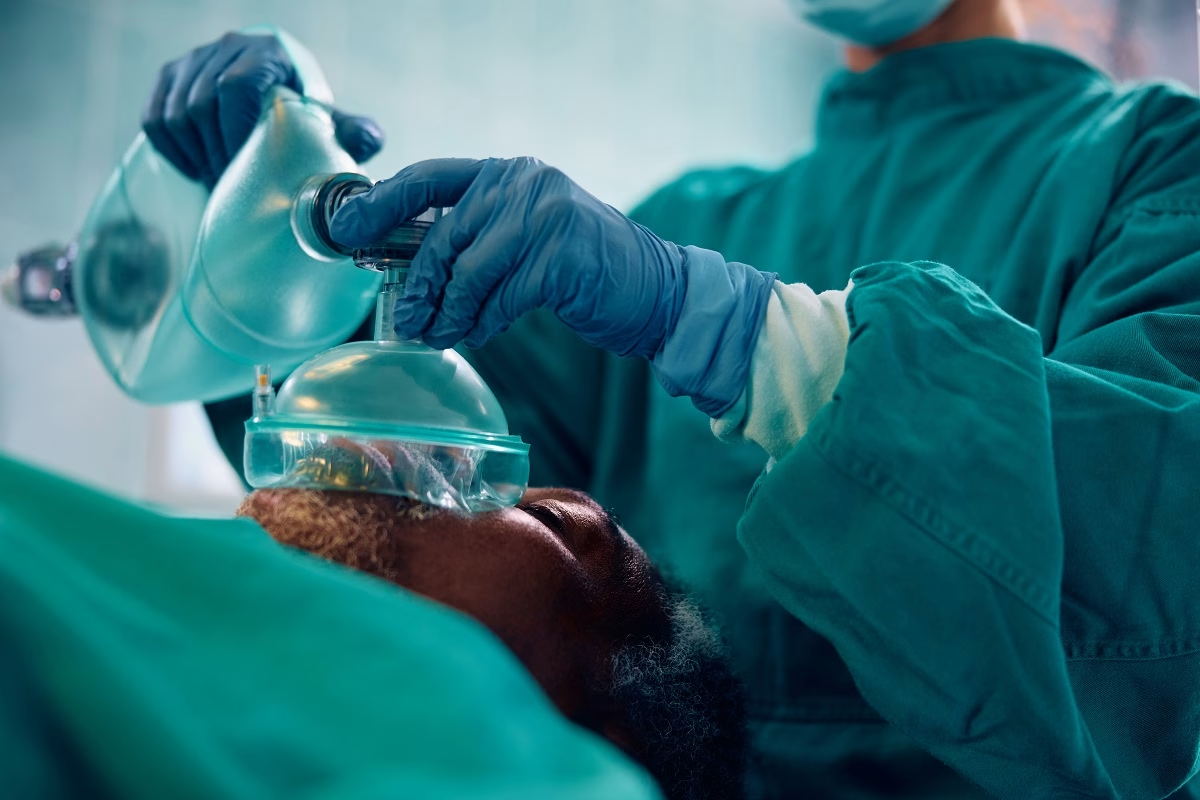
A life-threatening but treatable reaction to anesthesia that is caused by an inherited gene change (mutation) that negatively affects your muscles is called malignant hyperthermia. The risk of developing this condition increases even more if you have a parent or sibling with malignant hyperthermia.
In other words, this is a genetic disorder that causes a life-threatening reaction to some types of anesthesia medicines. Mostly, it runs in families. Generally, a general anesthesia allows a person undergo surgery without awareness. While there are multiple medicines that cause this effect, only some of them may cause malignant hyperthermia.
According to some studies, malignant hyperthermia occurs in about 1 in 100,000 surgeries in adults. Moreover, it may also affect about 1 in 30,000 children’s surgeries. Approximately 50% of diagnosis cases are in people under 19 years old. Some experts think some people never develop this genetic disorder because they are not exposed to the medicines that trigger it.
Symptoms
The symptoms of this condition often vary among people, and may occur during the procedure or soon after surgery (during recovery). When the symptoms begin during surgery, you would not know about them, but anesthesiologists or anesthetists will. Thus, they will monitor you while you are under anesthesia. In such cases, you should get treatment immediately. Check some symptoms below:
Early Symptoms
- Unusual tachycardia (increase in heart rate) or an increase in carbon dioxide produced by the body
- Muscle rigidity
- Tachypnea (fast breathing)
- An increase in body temperature
Late Symptoms
- Dark urine
- Bleeding
- Irregular heart rhythm (arrhythmia)
- Muscle breakdown that can be seen on blood tests
- Seizures
If you experience any of the symptoms listed above (especially late symptoms), immediately contact your healthcare provider.
Causes
Those who are prone to malignant hyperthermia often have a genetic mutation that causes abnormal proteins in the body’s muscle cells. In general, a genetic mutation is a sequence of DNA. It holds instructions that tell cells when to grow, multiply, and die. When a part of DNA does not work properly, it may lead to symptoms of a genetic condition.
This condition does not cause symptoms in daily life, but you are at increased risk of developing malignant hyperthermia due to certain anesthetics. Rarely, high heat or strenuous activity may trigger an abnormal release of Calcium from the muscle cells. As a result, it may lead to sustained muscle contraction (tense or rigid muscles), an increase in metabolism, and temperature. Thus, the muscle cells will die, releasing large amounts of Potassium into the bloodstream, causing additional symptoms and complications. Check below some medicines that may trigger malignant hyperthermia:
- Halothane
- Desflurane
- Sevoflurane
- Isoflurane
- Succinylcholine (this is an intravenous fast-acting muscle relaxant)
Risk Factors
This condition often runs in families. The risk of developing it increases if you have a first-degree relative (father, mother, son, or daughter) who has had this condition. You should inform your anesthesiologist about this condition before surgery. However, if you and your family members never had this genetic condition, you may develop it due to certain muscle diseases. For example:
- Multiminicore disease
- Central core disease
- King-Denborough syndrome
- STAC3 disorder
What Happens if Malignant Hyperthermia is Left Untreated?
People with this condition may also experience some complications, especially if they do not get immediate treatment. Examples include:
- Rhabdomyolysis (fast breakdown of skeletal muscles)
- Kidney or liver failure
- Cardiac problems (including dysrhythmias, heart failure, or even cardiac arrest)
- Metabolic acidosis (buildup of acid in body fluids)
- Hyperkalemia (increased Potassium levels in the blood)
- Compartment syndrome (this condition causes swelling and pressure in limbs, negatively affecting blood flow and nerves)
- Disseminated intravascular coagulation (DIC) – This condition causes abnormal bleeding and clotting.
- Pulmonary edema/ARDS (extra fluid in the lungs)
- Brain damage
- Coma and even death
This document does not contain a complete list of complications, but you can consult with your healthcare professional about ways to prevent these complications.
How to Prevent Malignant Hyperthermia?
Unfortunately, there is no way to prevent this condition because it is a genetic disorder in which the abnormal genes are passed from the biological parents to their children during pregnancy. However, you can perform some genetic tests before pregnancy to check for the abnormal gene that leads to this genetic condition. In other cases, you should inform your anesthesiologists about this condition before any surgery.
Diagnosis
People who are unaware of this genetic disorder susceptibility and undergo anesthesia, you and your anesthesiologist may not find this condition until you develop a reaction. In any case, before any anesthesia and surgery, you should perform some tests and monitor vital signs and health during surgery. However, if you have this genetic disease, they will recognize it through the following reactions. Examples include:
- Unexplained increase in heart rate
- Muscle rigidity
- Abnormal increase in carbon dioxide
- Fast increase in body temperature
Moreover, anesthesiologists are trained to look for these changes that indicate malignant hyperthermia. It means early detection and immediate treatment that reduces the risk of developing life-threatening complications.
In addition, doctors may perform some tests and procedures to check your susceptibility to malignant hyperthermia. These include:
- Caffeine halothane contracture test (CHCT) – During this test, doctors will take a sample of muscle tissue (biopsy) and expose it to halothane and caffeine to see if there is a reaction.
- Genetic testing – This test involves a blood sample to check for mutations in the following genes. For example, RYR1, STAC3, and CACNA1S. Generally, there are more than 45 mutations that are recognized as diagnostic for malignant hyperthermia.
Testing a person for malignant hyperthermia susceptibility can be expensive, and it is available only in some laboratories (4 locations in the U.S.).

Treatment
The primary treatment for people who develop this genetic condition is a medicine called Dantrolene. It is often administered shortly after your anesthesiologist notices a reaction to anesthesia. Moreover, the anesthesiologists and surgeons may also recommend other treatment options to manage the symptoms and reduce the risk of complications. These include:
- Body cooling options (such as cold IV fluids and ice packs)
- Oxygen through a mask or tube placed in the trachea
- Medicines to treat irregular or abnormal heart rhythm
When doctors stabilize the condition, you will need to stay in an intensive care unit (ICU) for a few days to monitor your health. Sometimes, they may also perform additional blood tests and recommend other treatment options.
Frequently Asked Questions
What is the prognosis of malignant hyperthermia?
People usually recover completely if the anesthesiologists and surgeons notice this abnormal reaction to anesthesia and you receive the treatment as soon as possible. Unfortunately, in rare cases, organ failure and even death may occur even with immediate treatment.
Is malignant hyperthermia fatal?
If you do not receive treatment, this condition is almost always fatal. In general, the mortality rate is about 3% to 5% even with immediate treatment.
What are the triggers of malignant hyperthermia?
The primary trigger of this genetic disorder is anesthetic medicines. These include volatile inhaled anesthetics (such as Isoflurane, Sevoflurane, and Desflurane) and a muscle relaxant called Succinylcholine. If you have additional questions, ask your healthcare provider.