
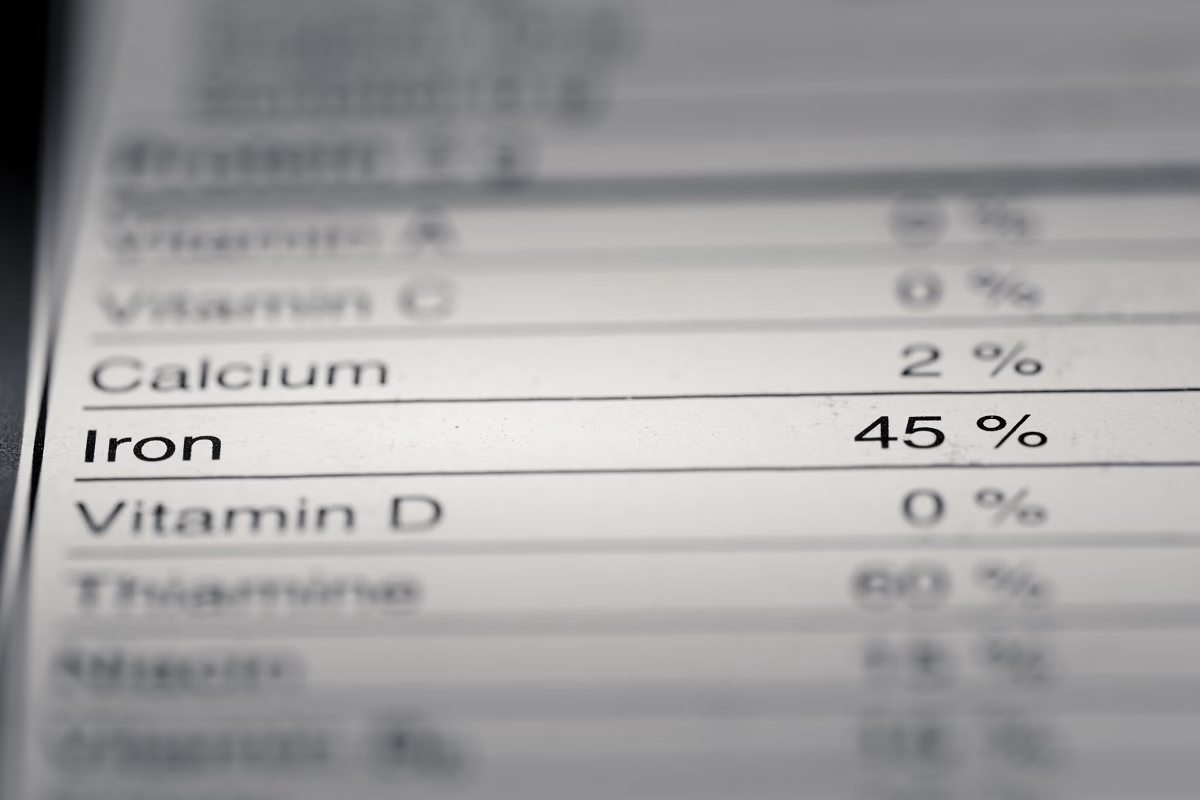
A type of digestive disorder that prevents your body from absorbing enough nutrients from food is called malabsorption syndrome. In general, there are multiple causes of this syndrome, and most of them involve damage to the mucous lining of the small intestine (where most absorption occurs).
Generally, malabsorption is an umbrella term used to describe multiple health conditions that negatively affect the body’s ability to absorb nutrients from food. This syndrome may also cause indigestion and even malnutrition (which happens not from a lack of eating enough nutrients, but from an inability to absorb them).
Moreover, the digestion occurs in three parts. The first part occurs when the body is breaking down food into digestible pieces. Thus, the body absorbs the nutrients in the food through the lining of the small intestine. The third part occurs when the body eliminates the waste that is left when all nutrients are absorbed.
Digestive issues happen when you have problems with any of the previous digestive parts. However, malabsorption covers the second stage, including specific food intolerances (caused by enzyme deficiencies), multiple gastrointestinal diseases that negatively affect your digestive system, and others.
Types of Malabsorption Disorders
While mostly celiac disease and inflammatory bowel disease (IBD) cause malabsorption of all types of nutrients, some people may develop this condition due to problems with a particular type of nutrient. Check some types below:
Carbohydrate Malabsorption
In general, there are some people who are sensitive to one or more carbohydrates (sugars). When you eat them, you may notice gas pain and abdominal bloating. It occurs because these carbohydrates are not fully absorbed and fermented by bacteria in the colon. However, bacteria will break down carbohydrates into gases and short-chain fatty acids, which often cause intestinal gas and fatty stools.
Fat Malabsorption
This is one of the most common forms of malabsorption, and it has multiple causes. When fats are not properly absorbed in the small intestine, they pass into the colon, causing fatty stools (also known as steatorrhea). Moreover, these fatty stools are greasy and runny and may smell bad. People who develop this type of malabsorption usually have malabsorption of fat-soluble vitamins, including A, D, E, and K.
Bile Acid Malabsorption
Some people may develop this condition due to a lack of bile from certain health conditions of the bile ducts, liver, or gallbladder. However, some people may develop this type of malabsorption due to other reasons. For example, an adverse reaction called bile acid malabsorption. It occurs when the bile acids in the small bowel pass these on to your colon. As a result, they trigger your colon to secrete water, causing chronic (long-term) diarrhea.
Protein Malabsorption
This type of malabsorption often occurs in people who have a particular intolerance. For example, milk protein intolerance, gluten intolerance, and others.
Symptoms
In most cases, malabsorption resembles indigestion and causes the following symptoms. For example:
- Abdominal distension or pain
- Bloating
- Gas
- Nausea
- Vomiting
- Diarrhea
- Steatorrhea (fatty stools)
Typically, the symptoms of malabsorption develop gradually over time. Check some macronutrient undernutrition symptoms below:
- Unusual weight loss
- Muscle wasting
- Frequent infections
- Bruising easily
- Dry skin and hair
- Edema (swelling with fluid)
- Anemia (low red blood cell count) that may cause weakness and lightheadedness
- Skin lesions
- Hair loss
- Fatigue (extreme tiredness)
- Irritability
- Apathy
- Growth delays in children
- Amenorrhea (skipped periods) in women
Check below also some examples of micronutrient undernutrition symptoms:
- Weakness, dizziness, and paleness (vitamin deficiency anemia)
- Sore and red tongue (vitamin B12 deficiency)
- Bleeding gums and nosebleeds (vitamin K deficiency)
- Weak bones and pain (vitamin D deficiency)
- Night blindness (vitamin A deficiency)
If you or your child experiences any of the previous symptoms, immediately contact your healthcare professional.
Causes
While some people may develop a temporary form of malabsorption, usually due to stomach flu, others may have a chronic form of this condition caused by a condition that they have for a long time. However, this condition may occur due to multiple factors. Check some of them below:
Small Intestine Lining Damage
Generally, the small intestine is the most important part where nutrient absorption occurs. The lining of the small intestine secretes specific digestive enzymes that absorb liquefied food into the bloodstream. Thus, anything that irritates or affects the lining of the small intestine may cause malabsorption. Check some examples below:
- Enteritis (inflammation that can cause damage to the mucous membrane)
- Infectious diseases – For example, tropical sprue, Whipple’s disease, and others
- Autoimmune disorders (such as celiac disease)
- Misuse of certain drugs and medications
- Alcohol use disorder
- Short bowel syndrome
- Cancer treatments (such as radiation therapy and chemotherapy)
- SIBO (small intestinal bacterial overgrowth)
- Overproduction of stomach acid, such as in Zollinger-Ellison syndrome
Liver, Gallbladder, and Pancreas Diseases
Normally, these organs work together with the small intestine to break down food. Furthermore, the pancreas produces the most important digestive enzymes, while the gallbladder and liver produce and store bile that helps digest fats. These enzymes go to the small intestine when food is present. As a result, any health condition that affects these organs may affect the production of these important enzymes and cause malabsorption. For example:
- Cystic fibrosis
- Pancreatic insufficiency
- Bile duct blockages
- Liver disease
- Gallbladder diseases
Lymphatic System Diseases
In normal circumstances, fats are absorbed into the bloodstream through lymph vessels. Hence, when you develop a condition of the lymphatic system, it may block these vessels and affect fat absorption. While people usually develop intestinal lymphangiectasia and lymphoma, they may also have other lymphatic diseases.
Food Intolerances
Sometimes, malabsorption of some carbohydrates or proteins may occur as a symptom of a gastrointestinal disease (such as fructose malabsorption). However, other people are born with a lack of a specific enzyme used to break down certain nutrients (the most common example is lactose intolerance).
Diagnosis
Usually, doctors will begin the diagnosis of malabsorption by examining your medical history and asking questions about your symptoms. In most cases, doctors suspect this condition if you have a chronic gastrointestinal condition or the following symptoms. These include fatty stools, chronic diarrhea, anemia, and muscle wasting. In any case, to confirm or rule out malabsorption, doctors perform the following tests. Examples include:
- Breath tests – Physicians often perform a hydrogen breathing test that helps diagnose specific carbohydrate intolerances (such as lactose intolerance).
- Stool tests – These tests are done to diagnose fat malabsorption. It may also find parasitic infections.
- Blood tests – They are done to determine nutrient deficiencies caused by malabsorption.
- Sweat test – This is a specific test used to check for cystic fibrosis.
- Imaging tests – The following tests are often done to get detailed images of the digestive organs. Doctors often perform a GI X-ray examination, endoscopic ultrasound, or video capsule endoscopy.
- Small intestine biopsy – During this procedure, doctors will take a small sample of the small intestine for testing. This sample is often taken during an endoscopic examination.
Treatment
The treatment is often different among people with malabsorption because it depends on the specific cause. However, people often receive supplemental nutrition that comes in an oral formula, by tube, or through a vein. Some people may also need to replace digestive enzymes to treat food intolerances or general pancreatic insufficiency.
Unfortunately, if malabsorption occurs due to an underlying cause, it may be more difficult to treat. While infections are often treated with antibiotics, chronic disorders may need a more particular treatment. Moreover, in some cases, it is not possible to cure malabsorption, and doctors often recommend lifestyle changes, medicines, and other options to relieve the symptoms.
Frequently Asked Questions
Does malabsorption go away?
While most of the time, malabsorption is treated with lifestyle changes and medicines, in some cases, it may need a more particular treatment (especially if malabsorption occurs due to a chronic condition).
How do you fix malabsorption in the gut?
In such cases, the treatment often focuses on the underlying cause and may involve the following options. For example, dietary changes (including special diets, avoiding triggers, such as gluten, dairy, and others), supplements (such as vitamins, enzymes, and minerals), specific medicines (including antibiotics, anti-inflammatories, enzyme replacements, bile acid binders, and others), and adequate nutrition.
What foods to eat when you have malabsorption?
Check some examples of foods that you can eat if you have malabsorption below:
- Extra-lean meats and skinless poultry
- Low-fat or non-fat dairy
- Lean fish (including cod, shrimp, halibut, or tilapia)
- Fruits, especially apples, pears, raspberries, oranges, mangoes, and bananas
- Beans and legumes (including black beans, lentils, chickpeas, kidney beans, and white beans)
The previous list does not contain all possible foods that people with malabsorption can eat. If you have additional questions, ask your healthcare provider.