
A health condition caused by a bacterium from soil or water that occurs in people with weakened immune systems or with respiratory problems is called MAC lung disease. In most cases, people need antibiotics to treat this disease. They are often taken for more than 1 year to clear this infection, but in severe cases, people need surgery.
In other words, this is a chronic (long-term) infection that negatively affects the lungs. It is caused by a bacterium called Mycobacterium avium complex (MAC) group of microbes. Usually, it is difficult to treat this condition if it is not found early.
Furthermore, MAC bacteria are a type of nontuberculous mycobacteria (NTM) that naturally live in the soil, dust, and water. However, it is one of the most common types of nontuberculous mycobacteria (NTM) infection. About 86,000 people in the U.S. have a type of NTM infection, but MAC accounts for approximately 8 out of 10 NTM infections. When this bacterium enters the body through air droplets or is swallowed, it often does not cause an infection.
Types of MAC Infections
Healthcare professionals have divided this infection into several types. For example:
- Pulmonary MAC infections – This type of MAC infections impact the lungs and respiratory system. Moreover, this is the most common form of this bacterial infection.
- Disseminated MAC infections – These infections often spread throughout the body through the bloodstream and often affect people with HIV/AIDS and other types of disorders that affect the immune system.
- MAC-associated lymphadenitis – This form of the infection usually affects children. It may cause swollen lymph nodes (often in the neck).
Check also the types of MAC lung diseases below:
- Nodular bronchiectasis
- Fibrocavitary disease
Nodular Bronchiectasis
This is a mild form of MAC lung disease, and it occurs more commonly compared to fibrocavitary disease. Usually, it affects small air sacs in the lungs and can also cause pulmonary nodules that are often visible in imaging tests, such as CT (computerized tomography) scans. In general, these are slow-growing nodules that cause the airways to become permanently inflamed. This process is also known as bronchiectasis. In addition, nodular bronchiectasis occurs more frequently in postmenopausal women.
Fibrocavitary Disease
It is one of the most severe types of MAC lung disease. While it occurs less commonly, it is more difficult to treat. It negatively affects deep lung tissues and may cause a hole in these tissues. Generally, this is a medical emergency that requires immediate treatment. In addition, people who smoke or have emphysema are at increased risk of developing fibrocavitary disease.
Symptoms
Usually, those who develop MAC lung disease experience the following symptoms. Examples include:
- Chronic cough
- Fatigue (extreme tiredness)
- Coughing up blood
- Low-grade fever between 99.6 degrees F (37.5 degrees C) and 100.3 degrees F (37.9 degrees C)
- Night sweats
- Decreased appetite and unexplained weight loss
- Dyspnea (shortness of breath)
- Chest pain
In general, the symptoms of MAC lung disease are different among people because it depends on multiple factors. These include the severity of the disease, age, existing health problems, and others.
Causes
The bacterium that causes this lung disease lives in soil. Usually, it enters the body when people stir up the soil or dust and send the bacteria into the air. Therefore, they breathe them in. MAC may also live naturally in water, including water in the home, showerheads, and hot tubs. However, you should know that this bacterium is harmless for most people. It only affects those who have a weakened immune system. This bacteria often settle in the lungs when a person has risk factors. Thus, it begins to grow slowly over the years, causing MAC lung infection.
Risk Factors
While this infection can affect anyone, there are some factors that may increase your risk of developing it. Examples include:
- Age – The risk of developing MAC lung disease increases in older adults over 65 years old.
- Smoking
- Bronchiectasis
- Chronic obstructive pulmonary disease (COPD)
- Cystic fibrosis
- Emphysema
- Weakened immune system
- A medical history of tuberculosis
In addition, this condition is not contagious, but sometimes, it may affect more than one biological family member. Some experts think it occurs due to specific gene variations.
What Happens if MAC Lung Disease is Left Untreated?
People with this type of lung disease may also develop some complications, especially if they leave it untreated. Examples include:
- Pneumonia
- A severe form of COPD
- Respiratory failure
- Hemoptysis
- Lung cancer
- Anemia
- Weight loss
- Hepatomegaly or splenomegaly
- Hepatitis
- Lymphadenitis
This document does not contain a complete list of MAC lung disease complications. However, you can talk with your healthcare provider about measures to reduce the risk or prevent them.
How to Prevent MAC Lung Disease?
It is not always possible to prevent this infection, especially if you are at increased risk of developing it, such as having a compromised immune system. Check below some tips that may help reduce the risk:
- Avoid hot tubs and saunas that recirculate hot and steamy water
- Run exhaust fans in the bathroom or kitchen that clear out steam
- Set the home’s water heater at least 130 degrees F (54.4 degrees C)
- Wear a mask each time you work in the garden or yard
- You should also add some water to the soil before working to reduce dust
Diagnosis
Like the diagnosis of other health conditions, it begins with a physical examination to check for irregularities linked to the disease. After that, physicians may ask some questions about the symptoms and medical history to get more information about your condition. When it is not clear, doctors may perform the following tests to confirm or rule out MAC lung disease. For example:
- Sputum cultures (lung excretions) – Doctors will examine a sample of thick mucus from the lungs under a microscope to check for the bacterium that causes this infection.
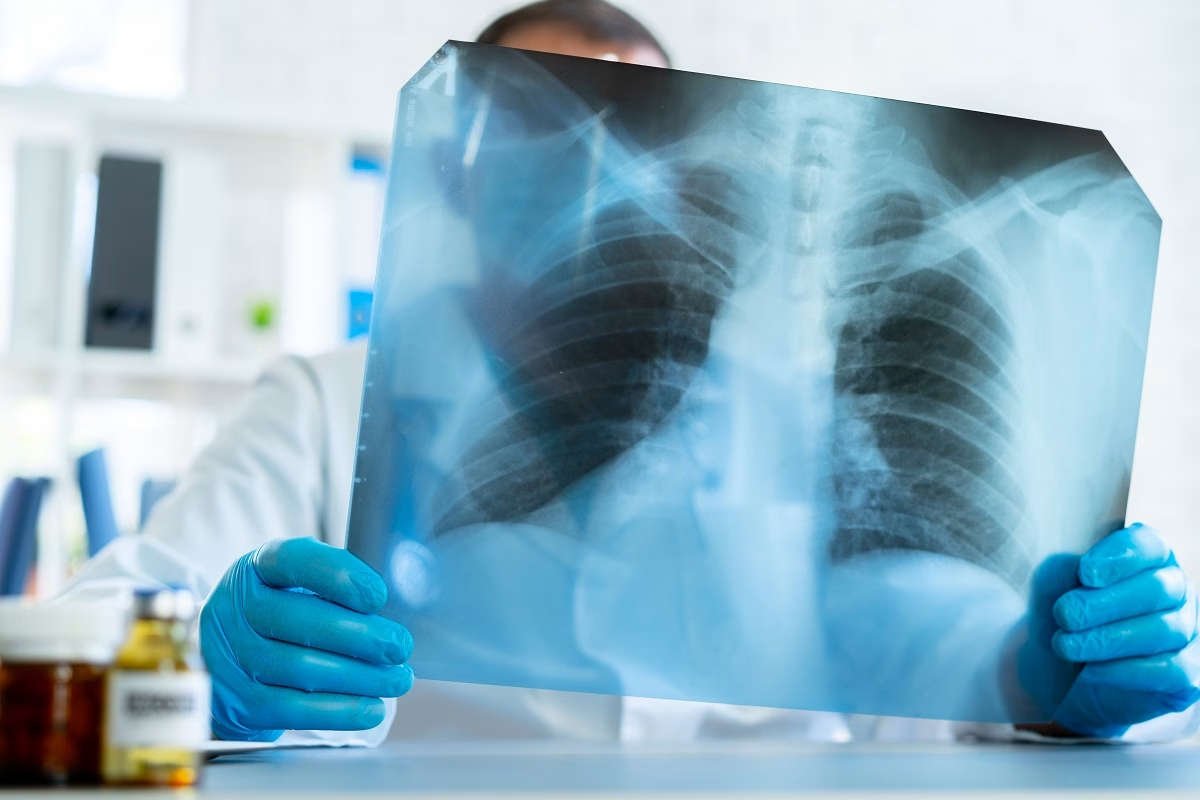
- Imaging tests – Doctors often perform these tests to get detailed images of the lungs and nearby structures. These include chest X-rays, CT (computerized tomography) scans, or MRI (magnetic resonance imaging) scans.
- Bronchoscopy – During this procedure, doctors will insert a small camera through the nose or mouth down your windpipe (also called trachea) to examine the lungs.
In some cases, it can be difficult to diagnose this condition, and your doctor may refer you to a pulmonologist (an infectious disease doctor) who specializes in the diagnosis and treatment of lung infections.

Treatment
Usually, it is difficult to treat MAC lung disease. The outcomes are often better if the infection is found in the early stages. Check some treatment options below:
- Waiting – If you develop a mild form of this lung disease, you may not need treatment. However, doctors will monitor the condition by performing imaging tests.
- Airway clearance (chest physiotherapy) – This treatment option involves multiple procedures that help the lungs clear sputum from the airways. It includes a nebulizer, specific medical devices (such as a vibrating vest), and others.
- Medicines – When the lungs are not able to clear the airways on their own, doctors may prescribe some antibiotics to help them. Commonly, people are taking antibiotics for at least 12 months to clear this infection.
- Surgery – This option is recommended by doctors in rare cases when the previous options do not work. During this procedure, surgeons will remove the affected part of the lung (lung resection).
In addition, the previous treatments may give you some adverse reactions. These include abdominal pain, diarrhea, appetite changes, nausea, vomiting, and others. It is also very important to administer antibiotics exactly as recommended by doctors. Otherwise, the infection may return, and it becomes more difficult to treat.
Frequently Asked Questions
How long can I live with MAC lung disease?
The life expectancy varies among people because it depends on many factors. For example, the severity of the disease, overall health, age, and other factors. Usually, doctors can give you a better idea of what to expect.
Is MAC lung disease curable?
Yes, this type of lung disease is curable in most cases with prolonged and consistent treatment. It may include antibiotics that are taken for at least 12 months. Sometimes, the infection may return even after a successful treatment, especially if you have bronchiectasis.
What are the first signs of MAC disease?
Commonly, people who develop a MAC lung disease experience the following symptoms. Examples include extreme tiredness, long-term (chronic) cough, trouble breathing, night sweats, and unusual weight loss. If any of them occur, do not hesitate to see a doctor. If you have any other questions, ask your healthcare provider.