
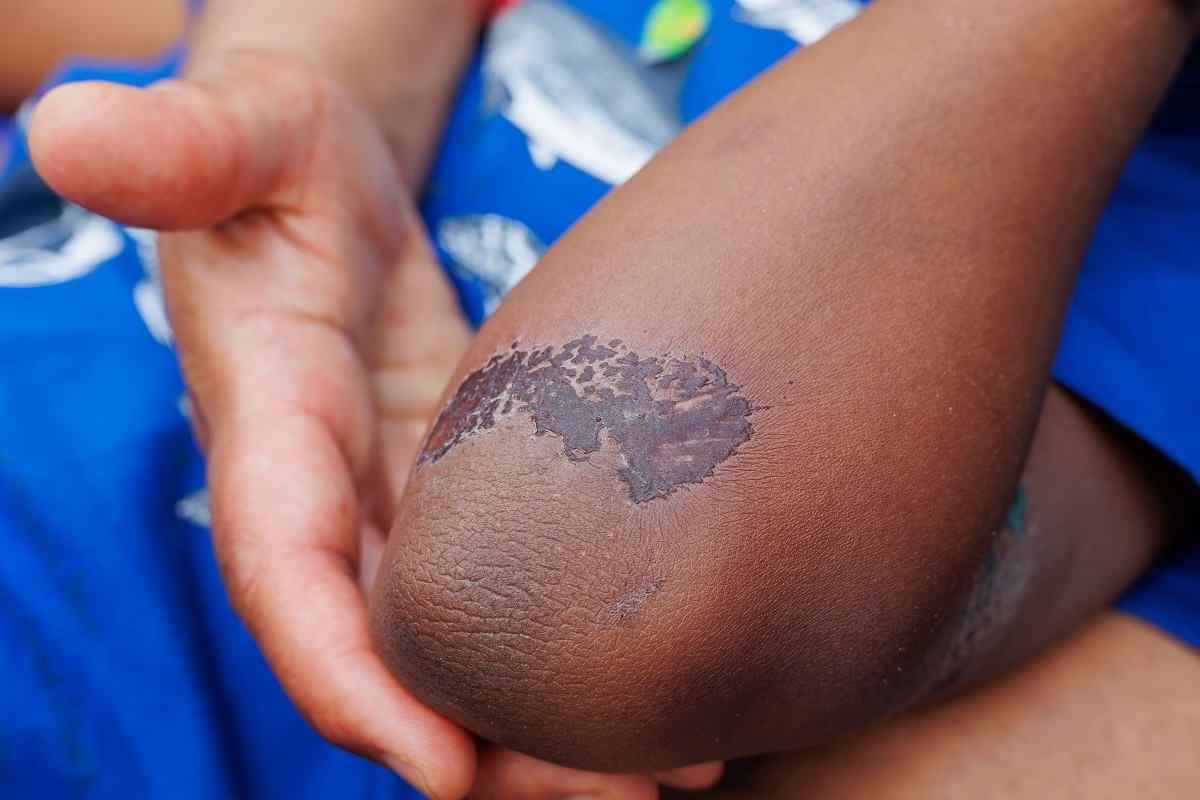
A bacterial skin infection that causes skin growth and permanent damage to the skin, bones, and tissues without treatment is called Yaws. The bacterium that causes this infection is known as Treponema pallidum pertenue. Physicians usually prescribe antibiotics to treat this condition. In most cases, people get this bacteria through contact with the broken skin of an infected person.
Generally, this skin infection is part of a group of bacterial infections known as endemic treponematoses.
Yaws Stages
This condition happens in 4 stages. For example:
- Primary yaws – This stage occurs when the infected person begins to experience symptoms. These include small growths on the skin that crust over. Previous symptoms may last between 3 to 6 months.
- Secondary yaws – The second stage often appears within a few months after exposure to the bacteria. When it occurs, you may notice certain growths on the skin that may progress to bone infection.
- Latent yaws – During this stage, the condition can be diagnosed with tests only because most people do not have symptoms. Moreover, this stage may last for years, and some people are contagious during this period.
- Tertiary (late) yaws – This is the most severe form of yaws, and without treatment, it may lead to severe symptoms. However, the infection may spread throughout the body.
Symptoms
The primary symptoms of yaws are skin cysts, ulcers, and sores. However, some people may also experience other symptoms. These include:
- Swollen lymph nodes
- Bone pain
- Swelling
- Tiredness
- Malaise (generally feeling unwell)
Primary Yaws Symptoms
During this stage, people usually experience specific skin growths that often appear after exposure to the bacteria. While they may affect any part of the body, they mostly appear on the legs or feet. Sometimes, this stage of the infection is called “mother yaw”. This skin growth may form a cyst to a large and itchy ulcer. Sometimes, it may be pus-filled and crust over.
Secondary Yaws Symptoms
When people develop the second form of the infection, they may experience multiple skin growths, usually on the hands, arms, legs, or feet. In most cases, these growths look or feel:
- Bumpy and raised
- Similar to wounds or ulcers
- Wart-like
- Red or yellow
- Scaly or flat
- Hard and thick
People with secondary yaws may notice that the infection spreads to the bones and causes pain and swelling. It often affects fingers, toes, arms, or legs.
Tertiary Yaws Symptoms
This is the most severe stage of the disease, and sometimes it develops within 5 or 10 years after the first symptoms. In such cases, the growths spread throughout the body and may have:
- Open wounds deep into the skin, cartilage, or bones
- Large growths that appear near the joints
- Hard patches on the feet or hands
Causes
This infection is caused by specific subtypes of the bacteria called Treponema pallidum. Usually, it begins with mild skin growth right after exposure to the bacteria. Sometimes, people get infected with this bacterium through direct contact with an infected person.
In general, yaws are contagious and often spread from one person to another through skin-to-skin contact with these abnormal growths on the skin. However, the infection is not contagious in the third stage.
Risk Factors
Healthcare professionals have identified some factors that may elevate your risk of developing yaws. Check some examples below:
- Age – Usually, most diagnosed cases of this infection are in children between 2 to 15 years old.
- Geographic locations – Those who live or travel in tropical regions with warm and humid climates are at increased risk of developing yaws. These include certain parts of Africa, Asia, and the Pacific Islands.
- Socioeconomic factors – Those who live in poverty with poor housing or in crowded conditions are also at higher risk of developing this bacterial infection.
- Poor hygiene – The risk of spreading significantly increases with poor hygiene practices (including inadequate handwashing and bathing, and others)
- Direct contact with an infected person – Sometimes, people get this bacterium through direct skin-to-skin contact with an infected person.
- Trauma – These include skin abrasions or breaks also increase the risk of getting the bacteria that often occur in children.
What Are The Potential Complications of Yaws?
People with this bacterial infection may also experience some complications, especially if they do not get treatment. Check some examples below:
- Necrosis (tissue death)
- Disfigurement
- Other bacterial infections (such as osteomyelitis, ankylosis, and others)
- Difficulty walking (usually occurs when the infection spreads to the bones, cartilage, or other tissues involved during movement)
- Gangosa (severe damage to the bones and cartilage in the nose)
- Periostitis (an infection of the lining of the bones)
- Dactylitis (swelling in the fingers and toes)
- Chronic pain
This article does not contain all possible complications of yaws. However, you can talk with your healthcare professional about ways to reduce the risk or prevent previous complications.
How to Prevent Yaws?
One effective way to prevent this infection is to avoid direct contact with infected people. While the third and tertiary (late) stage of the disease is usually not contagious, the first two stages of the disease are very contagious. Nowadays, the World Health Organization tries to eradicate yaws completely by treating people with symptoms.
Diagnosis
First, doctors will perform a physical examination to check for abnormalities linked to the disease. Thereafter, they may also ask some questions about the symptoms and medical history. In some cases, doctors may perform some tests to check for the bacteria that cause the infection. It is done because in the third stage of the infection, people usually or not experience symptoms. Moreover, there are other bacterial infections that cause similar symptoms.

Treatment
This condition can be cured with high-dose antibiotics. Usually, doctors prescribe Azithromycin pills or an injection of Benzathine Penicillin G. While the infection can be treated at any stage, early diagnosis and proper treatment can help prevent serious complications of the disease (such as osteomyelitis).
Some people who ignore the symptoms and do not get treatment may develop permanent scars and disfigurement when the infection spreads to other parts of the body.
Frequently Asked Questions
What is the difference between syphilis and yaws?
While both conditions are caused by similar bacteria, syphilis is a sexually transmitted infection (STI). Yaws is not an STI and spreads through direct skin-to-skin contact.
When should I go to the ER?
It is advised to go to the nearest emergency room (ER) or call 911 in the U.S. if you experience any of the following symptoms. Examples include:
- Dizziness
- Weakness
- Fast heart rhythm
- Hypotension (low blood pressure)
- Little or no urination
- Painful and red wounds on the skin
- High fever (more than 103 degrees Fahrenheit or 40 degrees Celsius)
Is yaws curable?
Yes, usually a single high-dose of Azithromycin or Benzathine Penicillin G injection effectively cures the infection. However, early diagnosis and treatment are very important because they help prevent permanent damage and life-threatening complications. If you have additional questions, ask your healthcare provider.