
A rare genetic condition that causes hypersensitivity to UV (ultraviolet) light, eye disorders, and neurological problems is called xeroderma pigmentosum (XP). It often happens due to a genetic mutation (change) that is inherited from biological parents during pregnancy. Unfortunately, there is no way to cure this condition. That’s why treatment focuses on lessening the symptoms and reducing the risk of skin cancer and other life-threatening complications.
The symptoms of this condition usually appear on the parts of the body that are continuously exposed to the sun (such as the face, arms, and lips). In severe cases, people may develop a blistering sunburn within several minutes.
Some people think this condition is a type of skin cancer, but it is not. However, it significantly increases the risk of developing skin cancer.
Moreover, this genetic disease happens quite rarely. According to recent research, it affects 1 in 1 million people in the U.S. and Europe. It happens more commonly in other parts of the world, such as Japan, the Middle East, and North Africa.
How Does Xeroderma Pigmentosum Affect My Body?
Those who develop this condition have an increased risk of skin cancer and frequently experience sunburns. For instance, people with XP have a 10,000 times higher risk of developing nonmelanoma skin cancer (including basal cell carcinoma or squamous cell carcinoma) and a 2,000 times higher risk of developing melanoma. Check below some types of cancer that often affect people with XP:
- Leukemia
- Kidney cancer
- Glioblastoma
- Breast cancer
- Astrocytoma
- Stomach, pancreatic, or testicular cancer
- Thyroid cancer
- Lung cancer
- Uterine cancer
Symptoms
The symptoms often are different among people with this condition because it affects multiple parts of the body. Check some examples below:
Skin Symptoms
These include:
- Atrophy (thinning of the skin)
- Freckling before 2 years old
- Blistering sunburns
- Dry skin
- Poikiloederma (patches of decreased and increased skin pigment)
- Telangiectasia (red lines that are often caused by the widening of the blood vessels)
Furthermore, those who suffer from XP are at increased risk of precancerous skin lesions (known as actinic keratosis).
Eye Symptoms
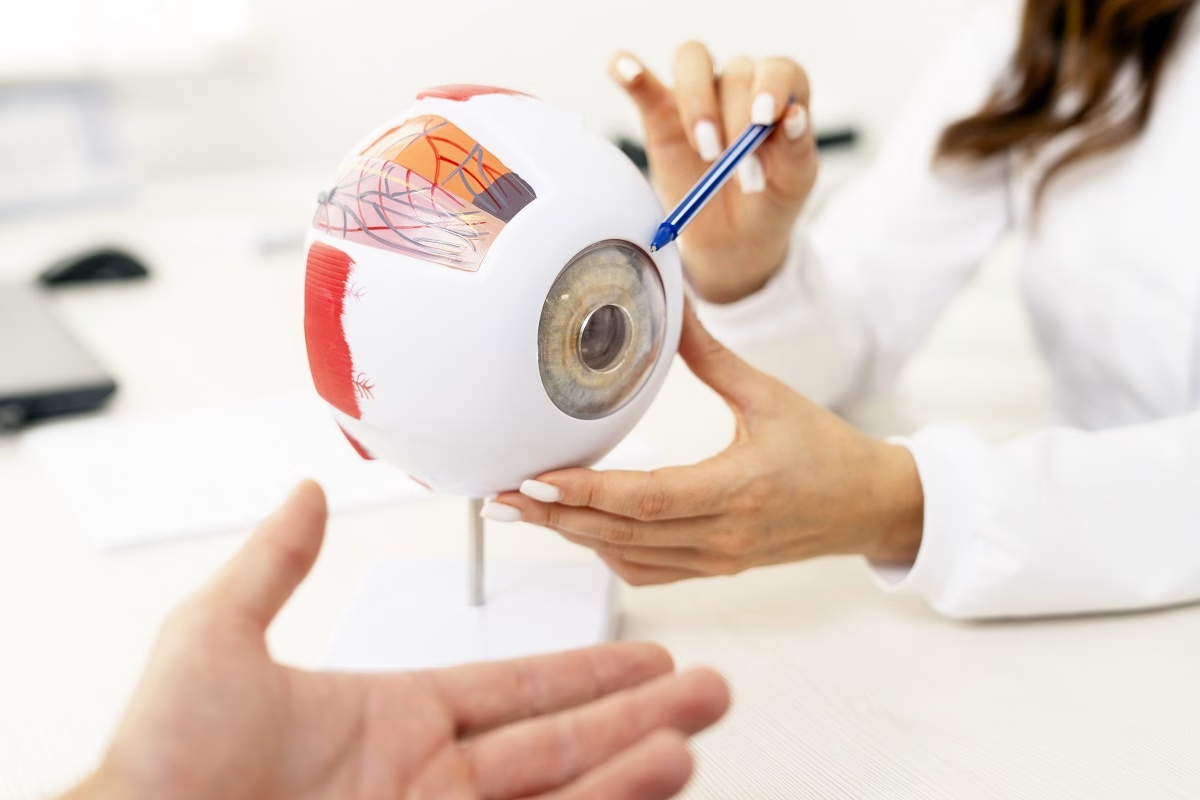
Eye symptoms in people with xeroderma pigmentosum often occur before 10 years old. Examples include:
- Keratitis (inflammation of the cornea)
- Eyelid degeneration
- Dry eyes
- Photophobia (increased sensitivity to light)
- Loss of eyelashes
- Cornea opacification (lack of transparency in the outer layer of the eye)
Without treatment, previous symptoms may lead to permanent blindness. However, those who develop XP have an increased risk of certain eye cancers.
Neurological Symptoms
According to studies, XP causes neurological symptoms in about 1 in 4 people. For example:
- Dysphagia (swallowing problems)
- Loss of reflexes
- Microcephaly (small size of the head)
- Vocal cord paralysis
- Progressive loss of thinking skills
- Hearing loss is often caused by damage to the inner ear
- Poor muscle control (ataxia)
- Spasticity
While experts do not fully understand why neurological symptoms occur, they think it is due to a loss of nerve cells in the brain.
Causes
This condition happens due to changes (mutations) in certain genes. These genes are inherited from biological parents during pregnancy. People who have only one abnormal gene are usually asymptomatic carriers.
Risk Factors
Healthcare providers do not fully understand what causes gene mutations that lead to this condition. However, they have identified some factors that could increase your risk of developing these gene mutations. Check some examples below:
- Inherited genetic mutations – The abnormal genes that cause XP usually run in families.
- UV radiation exposure – Some people may develop DNA changes in the skin cells if they are exposed to UV rays for long periods.
- Ethnic background – While this genetic disorder may affect anyone, it is mostly diagnosed in some populations (including those in Japan and Tunisia).
- Other genetic factors – There are some genetic mutations that may also lead to XP and conditions such as trichothiodystrophy and Cockayne syndrome. In addition, mutations in the following genes may also contribute to XP. For example, XPA, XPC, XPE, XPF, XPG, XPD, and XPB.
What Are The Possible Complications of Xeroderma Pigmentosum?
People with this condition may experience some complications, especially if they ignore the symptoms and do not get treatment. Check some examples below:
- Premature aging
- Severe blistering and sunburns
- Vision problems (including increased sensitivity to light and potential blindness)
- Conjunctival tumors
- Increased risk of skin cancer
- Neurological degeneration that may cause muscle weakness, loss of reflexes, deafness, and intellectual disabilities.
- De Sanctis-Cacchione syndrome
- Developmental delays
- Reduced lifespan
This article does not contain a complete list of xeroderma pigmentosum complications. However, you can talk with your doctor about ways to reduce the risk or even prevent complications.
How to Prevent Xeroderma Pigmentosum?
It is not possible to prevent this disease because experts do not fully understand what causes it to happen. However, you can perform some genetic tests before becoming pregnant to make sure you do not have this abnormal gene or understand the risks (including having a child with XP).
Diagnosis
Doctors usually suspect this condition based on symptoms. They may also perform a blood test to check for the abnormal gene, which helps confirm the condition and rule out others that cause similar symptoms.
Treatment
While it is not possible to cure XP, doctors prescribe treatments to reduce the symptoms and prevent life-threatening complications. The following treatments may also help improve life expectancy in people with XP. Check some examples below:
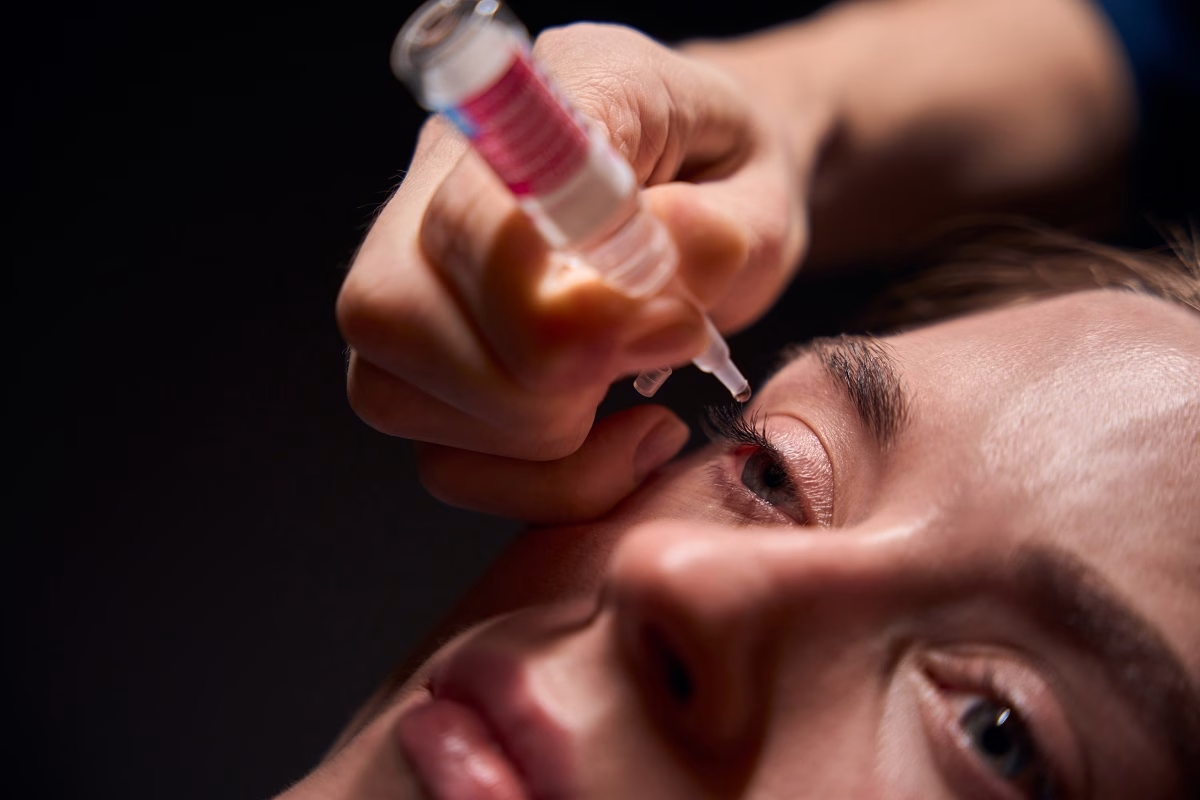
- Eye drops – These medicines are used to lessen eye symptoms (such as dry eyes and corneal inflammation).
- Hearing aids – People with XP are at increased risk of developing hearing loss. Therefore, physicians may recommend some hearing aids, such as cochlear implants.
- Surgery – This treatment is usually recommended by doctors when a person with XP develops skin cancer. It may also be used to treat some eye conditions, including drooping eyelids, cornea problems, and others.
- Vitamin D supplements – These supplements are often recommended due to the inability to get enough vitamin D from the sun.
Frequently Asked Questions
What can I expect if I have xeroderma pigmentosum?
Check below some tips that may help manage this genetic condition:
- Protection – You should get protection against UV rays because they can cause severe symptoms. Wear long sleeves, pants, gloves, hats, sunglasses, and use SPF at least 35, especially when outdoors.
- Regular eyes and skin examinations – Usually, eye examinations are recommended once per year to check for changes that may negatively affect your vision. However, skin examinations should be performed every 6 months or more frequently to check for signs of cancer. Those who develop XP are at higher risk of developing some types of skin cancer.
- Neurological care – Your doctor may also recommend regular checkups of the brain and spine to make sure you do not develop changes in certain body functions (such as hearing).
What is the life expectancy for a person with xeroderma pigmentosum?
With early diagnosis and treatment, the life expectancy is not affected. However, if you develop severe sunburn or skin cancer, it significantly reduces lifespan.
What is the main cause of xeroderma pigmentosum?
Those who have the following abnormal genes usually develop XP. For example, DBB2, ERCC1, ERCC2, ERCC3, ERCC4, ERCC5, POLH, XPA, and XPC. If you have additional questions, ask your healthcare provider.

