

Normally, the shoulder blade (also called scapula) is supposed to stay flat against the back and ribcage during movements. However, damage to the shoulder’s nerves and muscles may affect the ability to control the scapula. As a result, it sticks out like a bird’s wing. That’s why the name of this condition is winged scapula.
People who experience this condition may experience pain, especially during movement and when using the affected shoulder blade. In other words, you may notice that the affected shoulder hurts, or you may feel weakness, especially when trying to lift something or move. It is advised to see a doctor if you notice that your shoulder blades look different or experience symptoms such as stiffness, pain, and others.
What is Scapular Dyskinesis?
This is a condition similar to winged scapula, but it is less severe. It happens rarely and may cause the shoulder blades to look slightly different. Sometimes, this condition is called scapular misalignment. Additionally, the affected shoulder blade usually does not lift off your back during movement compared to a winged scapula.
Symptoms
One of the most common symptoms of a winged scapula is that the shoulder blade sticks out compared than the other. However, people with this condition may also experience other symptoms. For example:
- Stiffness
- Shoulder pain
- Weakness
- Reduced range of motion, especially when a person tries to lift the arm over the head
- You may also hear or feel snapping or grinding when moving the shoulder
Causes
One of the most common causes of a winged scapula is damage to the nerves or muscles that support the shoulder blade.
In normal circumstances, all parts that are connected in the shoulder work as a unit. However, these structures work best when there is balanced tension in the muscles of the shoulder. When damage to these muscles and nerves occurs, it may affect the ability to control them. In other words, you are no longer capable of holding the shoulder blade against the ribcage. Check below some structures (including muscles and nerves) that may cause a winged scapula when damaged:
- Serratus anterior muscle (this type of muscle is controlled by the long thoracic nerve)
- Three trapezius muscles (these muscles are controlled by the spinal accessory nerve)
- Rhomboid muscles (in such cases, the muscles are controlled by the dorsal scapular nerve)
Additionally, check below some common injuries that may cause damage to the previous muscles and nerves. For example:
- Sports injuries
- Dislocated shoulders
- Repetitive strain injuries
- Car accidents
- Falls
- Adverse reactions after surgery
Risk Factors
Physicians have identified some factors that could increase the risk of developing a winged scapula. For example:
- Surgery on the chest, especially mastectomies (breast removal)
- Sports that involve a lot of stress on the shoulders
- Frequently wear a heavy backpack
- Slumped posture
- One shoulder is much weaker than the other
This document does not contain a complete list of factors that could increase the risk of a winged scapula. Discuss with your healthcare professional for more details.
What Happens if Scapular Winging is Left Untreated?
In general, this health condition puts extra pressure on the supporting tissues of the shoulder. If scapular winging goes untreated, it may lead to a greater risk of experiencing a frozen shoulder (also known as adhesive capsulitis). Another complication that may occur in people with a winged scapula is loss of feeling in the affected muscle. The only way to prevent complications of scapular winging is early diagnosis and proper treatment.
How to Prevent Winged Scapula?
In most cases, it is not possible to prevent this condition because damage to the muscles and nerves of the shoulder usually happens suddenly. However, there are some tips that may help reduce the risk. Check some examples below:
- Wear the seatbelt each time you are in a car
- It is also advised to free your home and workspace from clutter because it increases the risk of falls
- Use tools or equipment at home to reach objects. Do not use tables, chairs, or countertops
- Regularly wear protective equipment when playing contact sports
- If you experience walking problems, you should use a cane or walker to prevent falls
Diagnosis
First, doctors will perform a physical examination to check for abnormalities linked to the disease. However, they may also perform some tests to confirm the condition and determine the extent of damage.
Tests
Physicians usually perform multiple physical movements or posture changes to determine the range of motion and shoulder strength. One of the most common tests to confirm this condition is the wall push-up test. Check below some tests used to diagnose scapular dyskinesis:
- SAT (scapular assistance test) – During this test, doctors will ask you to lift your arm straight up to check the range of motion. Thus, they will press gently on the shoulder blade to determine if small support helps relieve pain or whether it improves the range of motion.
- SRT (scapular retraction test) – During SRT, physicians usually put pressure on the shoulder with their hands and press the scapula in toward your back. It helps put the shoulder blade into the correct position (neutral position). The scapular dyskinesis is often confirmed when the shoulder and arm hurt less or feel stronger after the scapula is pushed back into place.
Furthermore, doctors may sometimes perform other tests to confirm the condition or exclude other conditions that cause similar symptoms. For example:
- Shoulder X-ray
- EMG
- Nerve conduction study
- MRI (magnetic resonance imaging)
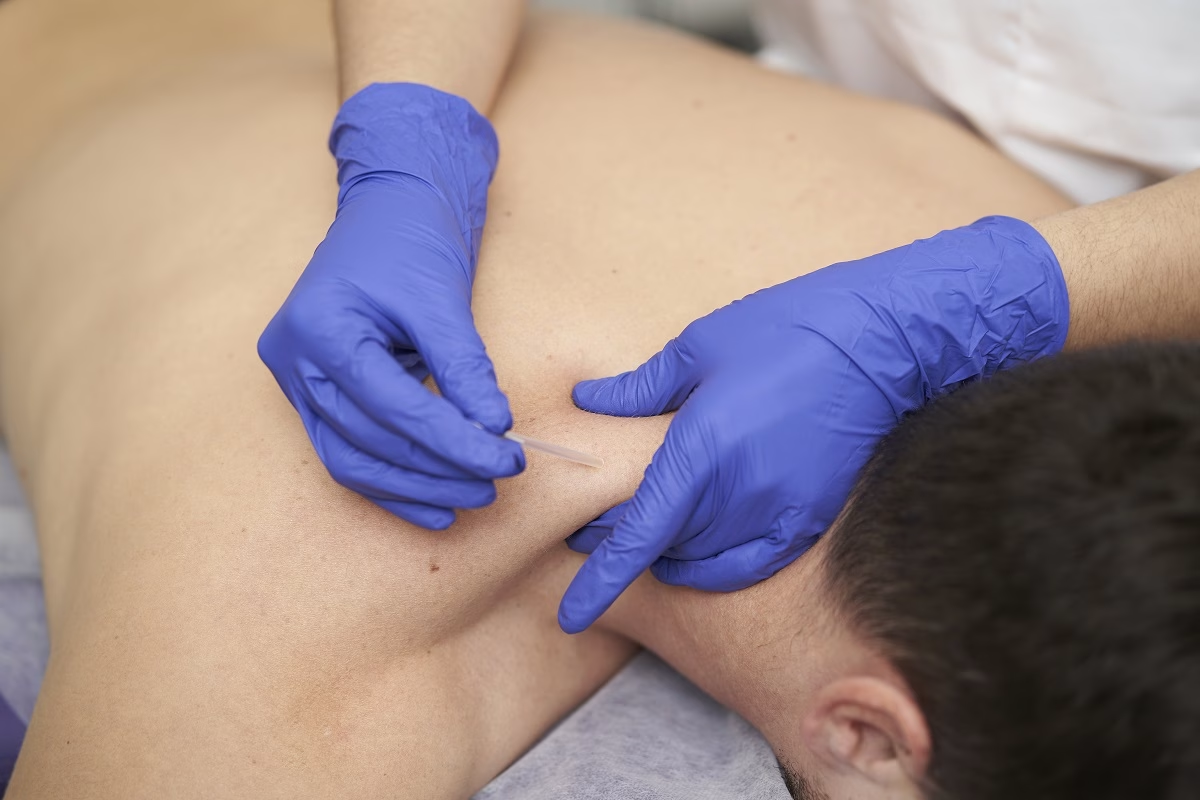
Treatment
The treatment for people who develop scapular winging is often different because it depends on the exact cause. Check below for the most common recommended treatments for people with a winged scapula:
- Pain relievers – Doctors may recommend some over-the-counter nonsteroidal anti-inflammatory drugs (NSAIDs) to lessen pain caused by the condition. They may also recommend muscle relaxers.
- Physical therapy – This treatment helps improve physical movements. During this procedure, doctors will give you specific exercises to strengthen the muscles of the shoulder. While it cannot cure nerve damage, it may help improve the range of motion.
- Surgery – Almost everyone who develops this condition does not need surgery. However, some of them need nonsurgical procedures to treat severe pain and loss of shoulder mobility. Commonly, surgery is recommended for people who develop scapular winging due to injuries or trauma. In such cases, people often need a nerve or muscle graft or a scapular arthrodesis (joint fusion).
Frequently Asked Questions
How long does scapular winging last?
This condition lasts differently among people who develop it. It depends on several factors, including the severity and exact cause of the condition, existing health problems, age, and preferences. Sometimes, pain may persist even after a full recovery.
What is the main cause of winged scapula?
People usually develop this condition due to damage or impaired innervation to the serratus anterior muscle.
What happens if the winged scapula goes untreated?
If you ignore the symptoms and do not get treatment, it may lead to some complications. These include adhesive capsulitis, subacromial impingement, and brachial plexus radiculitis. Ask your healthcare professional if you have additional questions.