
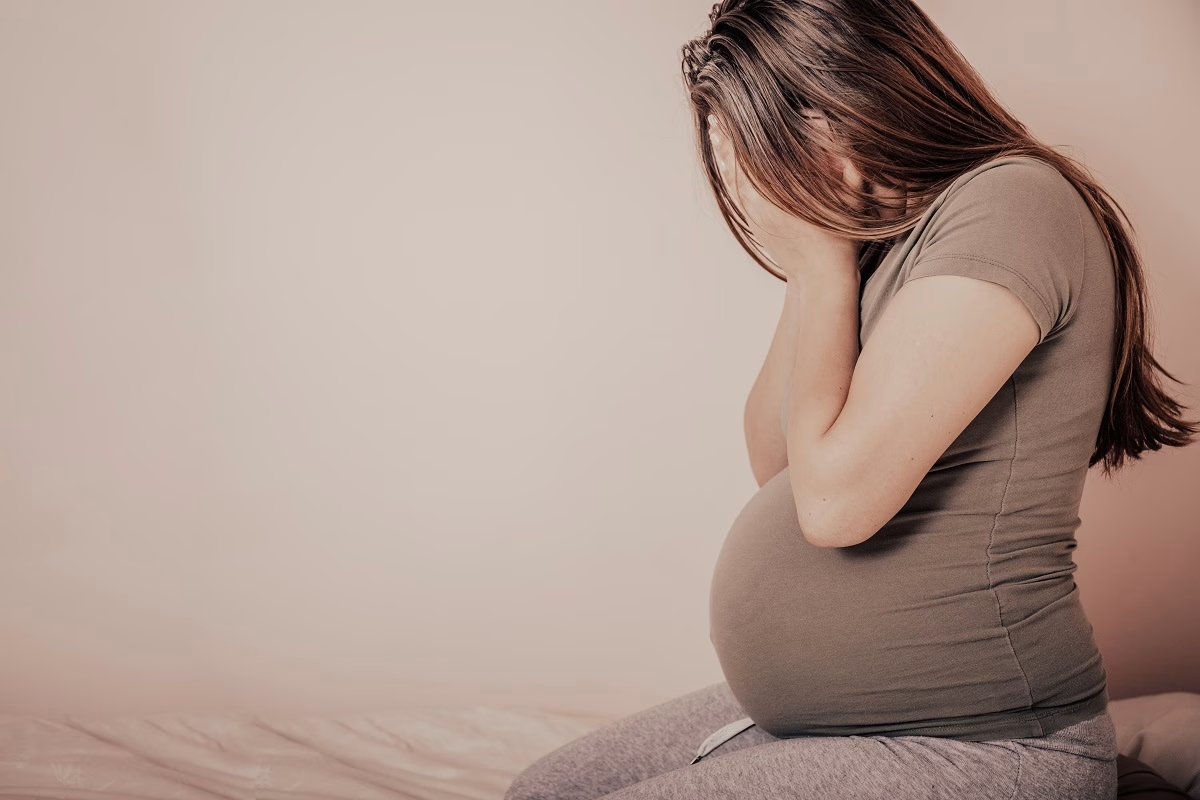
This condition is a type of depression that occurs during pregnancy. It is called prenatal depression and often causes extreme or ongoing sadness, anxiety, sleep disturbances, changes in eating habits, or fatigue (extreme tiredness). In more severe cases, this condition can cause females to harm themselves or the developing fetus. Usually, it is treated with therapies and medicines.
However, some women may develop postpartum depression (PPD), which occurs after the baby is born. It is important to understand that PPD is different from the “baby blues”. Usually, “baby blues” disappear within 2-3 weeks, but prenatal and postpartum depression do not go away without treatment.
The symptoms of prenatal depression can improve with lifestyle changes. When they don’t, doctors will prescribe therapies and medications.
Generally, prenatal depression is a common condition. According to some research, this type of depression is one of the most common disorders that pregnant women face. It affects about 5% of adults in the U.S.
Symptoms
While everyone may feel sad, anxious, or worried from time to time, the symptoms caused by prenatal depression do not disappear after a few days. The following symptoms may last up to several months and worsen over time if left untreated. Check below some symptoms often noticed in females with prenatal depression:
- Anxiety
- Irrational thoughts or excessive worrying
- Appetite changes
- Unusual weight loss or gain
- Reduced interest in activities once enjoyed
- Withdrawal from family, friends, or social interactions
- Extreme tiredness
- Insomnia (sleep disturbances)
- Persistent sadness, hopelessness, or guilt
- Loss of interest in sex
- Difficult concentrating, remembering things, or reasoning
- Certain physical symptoms (including headaches, muscle aches, and gastrointestinal problems)
In more severe cases, females may have thoughts about harming themselves or their developing fetus. Moreover, it is very important to go to the emergency room (ER) or call 911 if you have suicidal thoughts. You can also call the Suicide and Crisis Lifeline at 988, which works 24/7, and it is free.
Causes
Usually, there are multiple factors that cause prenatal depression. One of the primary factors is a family history of mood disorders. If you have a parent or sibling with mood disorders, your risk of developing prenatal depression significantly increases. During pregnancy, hormone levels shift and can negatively affect your mood. In general, depression occurs due to chemical imbalances in the brain.
However, most pregnant women may feel sad or anxious because there are multiple changes that happen to their bodies. In normal circumstances, these feelings disappear within a few days. When these symptoms last for more than this time or worsen over time, it may indicate prenatal depression. Sometimes, financial problems and worries about new responsibilities could also play a role.
Risk Factors
Certain factors may increase your risk of developing this type of depression. Check below some examples:
- Anxiety disorders
- Panic disorder
- Mental health problems, including obsessive-compulsive disorder (OCD)
Furthermore, prenatal depression occurs more commonly in women who:
- Carry the child with health problems or special needs
- Deal with stressful life events (such as divorce, diseases, financial problems, or difficulties at work)
- Expecting twins or triplets
- Do not plan to become pregnant
- Difficulty getting pregnant (infertility)
- Lack of supportive partner, friends, or family during pregnancy
What Are The Possible Complications of Prenatal Depression?
If a pregnant woman with depression does not get treatment, it may lead to serious complications. These include:
- Increased risk of substance use disorder
- Other types of depression (such as postpartum depression)
- Preterm birth
- Low birth weight
- Poor prenatal care
- Miscarriage
- Insomnia
- Increased risk of suicidal thoughts or behavior
- Developmental issues (in newborns)
The previous list does not contain all possible prenatal depression complications. It is very important to see a doctor if you think you have this type of depression. Otherwise, it may lead to unpleasant outcomes.
How to Prevent Prenatal Depression?
Usually, it is not possible to prevent both prenatal and postpartum depression. However, you can take steps to reduce the risk. Discuss with your healthcare professional about ways to reduce the risk of these types of depression, especially if you have a family history of mood disorders or other risk factors.
Diagnosis
First, doctors will perform an evaluation to check for prenatal depression symptoms. Therefore, they can also ask some questions about the medical and family history to get more clues about the disease. If your doctor suspects this condition, you can be referred to a psychologist, therapist, or counselor. These healthcare specialists are trained in treating mental health problems. You should also inform them if you have a history of family history of depression or other mood disorders.

Treatment
Usually, doctors recommend different treatments for patients with prenatal depression. It often depends on the severity of the condition, existing health problems, response to treatment, age, and preferences. Check below some options often recommended for women with depression during pregnancy:
- Cognitive behavioral therapy (CBT) – This is a type of psychotherapy (also known as talk therapy) that helps you think about concerns and behaviors in a different manner. Over time, it often helps to improve the symptoms and develop new thinking patterns.
- Interpersonal therapy (IPT) – During this procedure, doctors will try to improve the way they interact with other people. Sometimes, IPT may help you develop relationships and gain support from social groups.
- Medicines – Some people may need antidepressants to relieve their symptoms. It is advised to consult with your doctor before taking any antidepressant to make sure it is safe for your baby.
- Psychotherapy – This therapy is used to learn people with depression techniques that help cope with negative thoughts.
Supportive Measures
There are some tips that may help improve the prognosis of prenatal depression. These include:
- Supportive network – It involves connections with parents, friends, or social groups where you can share your worries.
- Prioritizing your health – For example, regularly perform physical exercise during pregnancy, focus on good nutrition, administer prenatal vitamins, get enough and good sleep, avoid alcoholic drinks, and quit smoking. If you have problems with smoking cessation, discuss it with your healthcare professional. Furthermore, alcohol can seriously damage your developing baby or cause fetal alcohol syndrome.
- Preparing for your baby – It is recommended to learn about fetal growth and milestones, keep up with the appointments for prenatal care, and others.
- Stay active – It means you should spend time with friends and family, or go out with your partner. Usually, social interactions ease the symptoms.
- Meditation – If you are under persistent stress or anxiety, doctors may also recommend yoga, breathing exercises, or meditation. Moreover, some relaxation techniques may improve the symptoms and reduce stress.
Frequently Asked Questions
How does prenatal depression affect fetal development?
If depression is left untreated during pregnancy, it can be dangerous for the developing baby. There is an increased risk of making unhealthy choices (including alcohol drinking, smoking, and lack of physical exercise) due to this type of depression. Therefore, it negatively affects the fetus.
When should I seek care for prenatal depression?
If you notice depression symptoms during or after pregnancy, immediately contact your healthcare professional. Early detection and proper treatment usually help prevent serious complications.
Will prenatal depression go away?
While a mild form of prenatal depression can disappear on its own, in more severe cases, this condition does not go away without treatment. Ask your healthcare provider if you have additional questions.