
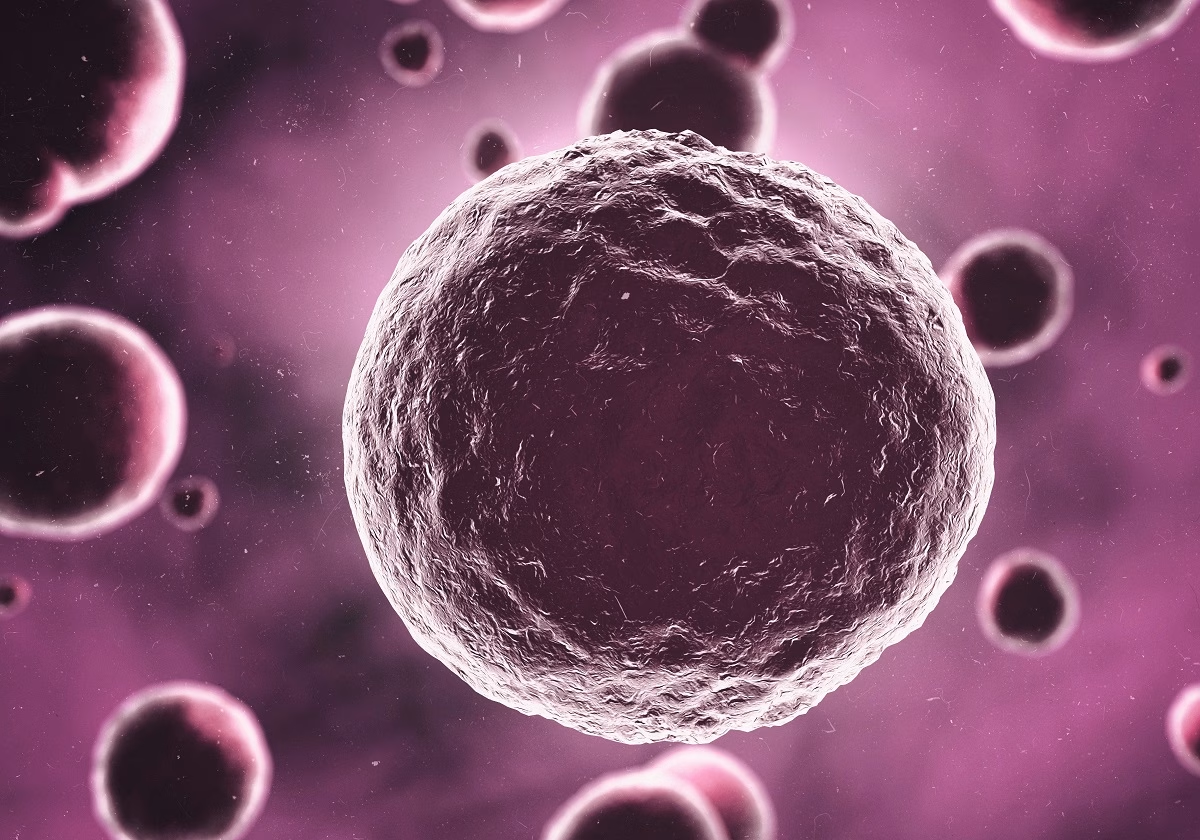
A type of blood cancer that occurs extremely rarely and is similar to multiple myeloma is called plasmacytoma. However, doctors have divided this type of cancer into 2 groups: solitary plasmacytoma of bone (SPB) and extramedullary plasmacytoma (EMP). Commonly, plasmacytoma occurs when plasma cells become cancerous (malignant) and begin to grow and multiply abnormally. When these cells become too numerous, they form a mass called a tumor. This tumor negatively affects the bones, surrounding soft tissues, and other parts of the body. In other words, this rare type of blood cancer occurs when B cells turn into abnormal cells.
Plasmacytoma occurs very rarely, and it affects about 750 people annually (about 450 cases of SPB and 300 of EMP). Furthermore, some people with multiple myeloma can also develop plasmacytoma.
How Does Plasmacytoma Affect My Body?
In general, plasma cells are white blood cells, which are a part of the immune system that helps the body fight bacteria, viruses, and other germs. Normally, these cells produce antibodies (immunoglobulins), but when they become malignant, plasma cells begin to grow and multiply abnormally, causing tumors. Check below the plasmacytoma types in detail:
- SPB (solitary plasmacytoma of bone) – In such cases, the tumor develops on one spot or site on one of the bones. It can also cause damage and pain, and about 50% of people who develop SPB also have multiple myeloma.
- EMP (extramedullary plasmacytoma) – This type of plasmacytoma causes one tumor of abnormal plasma cells that negatively affects soft tissues. These tissues connect, support, and surround the organs and bones. Some examples of soft tissues include layers of connective tissue (also known as fascia), skin, fat, tendons, and muscles. This type of cancer can occur anywhere in the body, but mostly affects the upper respiratory tract (including the nasal cavity, sinuses, nasopharynx, and larynx). In addition, about 15% of people with EMP also develop multiple myeloma.
Symptoms
The symptoms often occur in people differently because it depends on some factors. For example, the type and severity of the cancer, existing health problems, age, and other factors. Check below some examples:
SPB Symptoms
Commonly, people who develop this type of plasmacytoma experience the following symptoms. For example:
- Pain
- Bone fractures in the rib bones, thoracic vertebrae, femur, and pelvis
- Compression fractures in the spine can cause damage to the spinal cord or nerve root. Therefore, it may lead to severe pain that can spread to the legs and spine.
- In rare cases, this type of plasmacytoma affects the head, causing dizziness, vision problems, and headaches
EMP Symptoms
In such cases, the symptoms often appear when the tumor puts pressure on soft tissues. For instance, if the tumor develops in the nose, people often describe it as something stuck there, which can cause breathing problems. While it can develop anywhere in the body, in 80%-90% of cases, it affects the head and neck. Check below some symptoms that people with EMP often experience:
- Headaches
- Nasal discharge
- Dysphagia (swallowing problems)
- Sore throat (also known as pharyngitis)
- Nosebleed (epistaxis)
Rarely, EMP can affect the voice box (larynx) and cause additional symptoms. These include upper airway obstruction, wheezing, hoarseness, and others. Most EMP symptoms are similar to other disorders that are not dangerous. That’s why it is advised to see a doctor for a diagnosis and proper medical care.
Causes and Risk Factors
Healthcare providers do not fully understand why this type of cancer occurs. However, other types of cancer appear when specific cells develop DNA changes (mutations). Normally, the DNA holds instructions for the cells that tell them when to grow, multiply, and die. If there is a DNA mutation, the cells begin to receive different instructions that make them grow and multiply abnormally. Therefore, these abnormal cells form a mass called a tumor. In advanced stages, this tumor can break and spread to other parts of the body. In such cases, it is called metastatic cancer.
While it is not possible to determine what exactly triggers these changes that lead to plasmacytoma, doctors have identified some factors that could increase your risk of developing it. This type of blood cancer can affect anyone, but it mostly affects people over 60 years old. Furthermore, men are more likely to develop plasmacytoma than women.
What Happens if a Plasmacytoma is Left Untreated?
People with this type of cancer can also experience some complications, especially if they do not manage the condition. Check some examples below:
- Bone problems
- Organ damage (including kidneys, gastrointestinal tract, and others)
- Weakened immune system
- Nerve compression
- POEMS syndrome
This article does not contain all possible complications of plasmacytoma. However, you can talk with your doctor about measures to reduce the risk of the previous complications. Additionally, there is no way to prevent or reduce the risk of plasmacytoma, which is similar to multiple myeloma.
Diagnosis
Usually, this type of blood cancer is diagnosed through different tests. However, the diagnosis often begins with a physical examination and questions about your family history and symptoms. Check below some tests often involved in plasmacytoma diagnosis:
- CT (computed tomography) scans – This is an imaging test used to get cross-sectional images of soft tissues and bones. It helps look for bone damage caused by plasmacytoma.
- MRI (magnetic resonance imaging) – This is another imaging test used to get more detailed images of different tissues and organs in the body. Usually, doctors perform it when they suspect EMP.
- Blood and urine tests – These tests are done to check for M protein levels.
- Nasal endoscopy – This test is used to examine the nasal passages for plasmacytoma signs.
- Fine-needle biopsy – During this procedure, doctors will take a small amount of fluid from soft tissues for testing.
- Biopsy – In such cases, doctors get a small amount of the tumor for testing. They will look at this sample under a microscope to check for cancerous cells.
In addition, once you are diagnosed with plasmacytoma, doctors may perform additional imaging tests to determine the extent (stage) of the cancer. It helps make the best treatment plan for you.

Treatment
In most cases, doctors recommend radiation therapy if you are diagnosed with SPB. However, doctors may also prescribe some treatments if you have multiple myeloma at the same time as plasmacytoma. If you develop EMP, it is usually treated with chemotherapy and surgery. Chemotherapy is used to shrink a large tumor or destroy cancerous cells that may remain after surgery.
Frequently Asked Questions
How long can you live with a plasmacytoma?
In general, the 5-year survival rate is about 60% for people with SBP who get treatment. However, the same survival rate is about 82% for people with EMP. It is very important to get treatment if you are diagnosed with plasmacytoma. Otherwise, the 5-year survival rate decreases significantly.
What is the difference between multiple myeloma and plasmacytoma?
While both are blood cancers, there are some differences between them. Usually, multiple myeloma is characterized by multiple tumors of abnormal plasma that appear throughout the bone marrow. However, those who develop plasmacytomas can have a single tumor of plasma cells in the bone or soft tissue. For more details, discuss it with your doctor.
What are the symptoms of a plasmacytoma?
Usually, people with plasmacytoma experience the following symptoms. These include:
- Pain
- Compression fractures of the thoracic and lumbar vertebrae
- Muscle spasms
- Headaches
- Dizziness
- Vision problems
If any of the previous symptoms occur, it is recommended to visit a doctor for a diagnosis and treatment. Ask your healthcare provider if you have additional questions.