
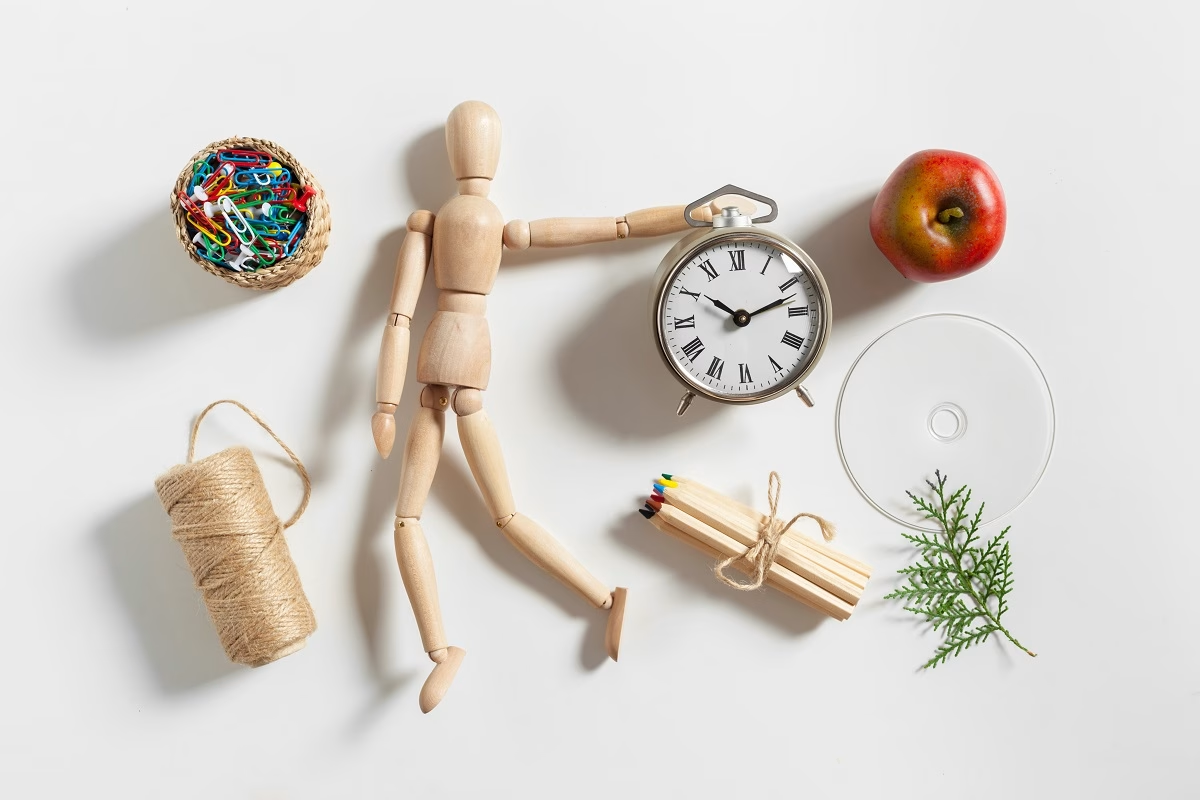
A mental health condition in which a person compulsively swallows non-food items is called pica. It usually occurs in children with some disorders. While in most cases this condition is harmless, swallowing some items can make this disorder very dangerous. However, there are multiple options that can treat this disorder, including lifestyle changes and therapies.
In general, pica belongs to a group of disorders called eating disorders. The name of this mental health condition comes from a bird species called the Eurasian magpie. Thus, this bird has a reputation for eating unusual objects.
However, it is quite difficult to estimate how many people have this condition because doctors often use different definitions for this disorder. It is also common for doctors to miss this disorder completely. It usually occurs when you do not report signs of pica to the doctors.
Furthermore, most children put different things into their mouths, and it is a normal part of development.
Symptoms
The main symptom of this disorder is eating non-food items or things that do not have nutritional value or benefit. In any case, pica can cause other health problems that have their own symptoms. Check below some disorders that may occur in people with pica:
- Anemia (low red blood cell count)
- Ascariasis (roundworm infection)
- Constipation
- Electrolyte imbalance
- Lead poisoning
- Arrhythmia (irregular heart rhythm)
- Small and large intestine obstruction (blockages)
You may also wonder what items are often eaten by people with pica. Check below some of them:
- Chalk
- Ash
- Baby or talcum powder
- Clay, dirt, or soil
- Eggshells
- Feces of any type
- Hair, string, or thread
- Coffee grounds
- Charcoal
- Ice
- Laundry starch
- Pebbles
- Pet food
- Soap
- Wool or cloth
- Pain chips
- Paper
The previous list does not include all possible things that people with pica can eat. For more details, discuss it with your doctor.
Causes and Risk Factors
Healthcare providers do not fully understand why pica occurs. However, they think there is a combination of factors. Check below some of them:
- Cultural or learned behaviors – There are some common types of pica, socially accepted behaviors in some religions and cultures. For instance, eating dirt at El Santuario de Chimayo, a Roman Catholic shrine in New Mexico, USA.
- Stress and anxiety – In some cases, it can occur as a coping mechanism for people with these problems.
- Negative disorders during childhood – This mental health condition often affects children who live in low socioeconomic situations (poverty), but for unknown reasons. Some experts think this disorder occurs as a coping mechanism for children to deal with abuse or neglect.
- Nutritional deficiencies – Most people with pica often have reduced mineral or other nutrient levels. For example, Iron, Calcium, Zinc, and others.
- Mental disorders – For instance, diseases that a person develops spontaneously at birth (such as genetic disorders).
- Diseases – Sickle cell anemia is one disorder that is strongly connected to pica as well as pregnancy.
- Some medicines – Healthcare professionals have identified some medications that could increase the risk of pica or similar behaviors.
In addition, some people are more prone to pica. These include young children (especially under 6 years old), pregnant women, and those who have certain mental disorders (including autism spectrum disorder, intellectual disabilities, or schizophrenia).
What Are The Potential Complications of Pica?
While it is often harmless, this disorder may cause complications in some people, especially if it is left untreated. Check below some examples:
- Intestinal obstruction (blockage) – If you or your child has pica and ingests non-digestible items (such as hair, dirt, or pebbles), they can cause blockages in the stomach or bowels. In severe cases, it may even lead to surgery.
- Bowel perforation and peritonitis – Those who eat sharp objects (such as glass or metal) can develop ulcers or puncture of the digestive tract, which eventually can lead to life-threatening infections of the abdomen (peritonitis).
- Constipation or diarrhea – Non-food items are difficult to process by the body, which can cause digestive problems, such as severe constipation or chronic (long-lasting) diarrhea.
- Poisoning – Those who ingest toxic substances can experience severe poisoning. For instance, if you ingest lead-based paint chips, contaminated soil, or pottery glaze, it can lead to lead poisoning. Therefore, you may develop neurological disorders, developmental problems, seizures, and others.
- Parasitic and bacterial infections – These infections often occur when you ingest soil, feces, or contaminated materials.
- Heavy mental toxicity – In general, there are several heavy metals that can cause serious health problems. For example, mercury, arsenic, and others.
- Electrolyte imbalances – There are some non-food items that can interact with electrolyte absorption and cause a sudden drop in Potassium levels (hypokalemia).
- Malnutrition – If you are regularly eating non-food items, it can lead to generalized malnutrition and failure to thrive (especially in children).
- Dental injuries
- Emotional and mental distress
In addition, pica significantly increases the risk of preterm labor and perinatal mortality. This document does not contain all possible complications of pica. However, you can consult with your healthcare professional about ways to reduce the risk of developing previous complications.
How to Prevent Pica?
Unfortunately, there is no way to prevent this disorder because it occurs spontaneously. Moreover, healthcare professionals do not know what exactly causes it, and there is no available way to reduce the risk, but doctors may recommend to make sure you eat a balanced diet to prevent deficiencies in essential minerals and vitamins.
Diagnosis
Usually, pica is diagnosed when people meet the following criteria. Examples include:
- Time – In general, the diagnosis requires persistent eating of items or substances without food or nutritional value for at least one month.
- Mental development – It means that some people can develop past a certain point mentally and should know not to eat things that are not food.
- No social and cultural factors – It means a person with this disorder does not have cultural or social background reasons.
- No medical or mental health disorders – In such cases, pica should not be caused by other disorders or mental health problems.
In addition, there are some reasons not to diagnose pica. These include:
- Cultural or social practices – While pica is a compulsive behavior that you are not able to control, those with pica behaviors for cultural or social reasons have control of these actions.
- Nutritional deficiencies – People who have reduced levels of Iron or Calcium in the body can try to compensate for these by eating non-food items. That’s why pica is acceptable in some cultures. Furthermore, there are a lot of people around the world who eat clay or soil to make up for a lack of Iron, Calcium, and other vitamins and minerals.
- Diseases – The criteria for diagnosing pica make some exceptions for when the disorder occurs due to another condition or mental health disorder.
Tests
Almost all of the following tests are done by doctors to check for problems that can be caused by pica. These include:
- Blood, urine, and stool tests to look for infections, poisoning, and electrolyte imbalances.
- Imaging tests – The following tests are used to get detailed images of different structures and organs in the body. Moreover, these tests can help identify blockages or internal damage caused by pica. In most cases, doctors perform X-rays, CT (computed tomography) scans, MRI (magnetic resonance imaging), ultrasound, or other imaging.
- Diagnostic tests – For example, an electrocardiogram (ECG or EKG) to check for abnormalities with the heart’s electrical rhythm that may occur in people with electrolyte imbalances or parasitic infections.
Treatment
While pica can go away on its own in pregnant women and children, in some cases, it requires treatment. However, for children with intellectual disabilities or other problems that affect the ability to learn, removing problematic items and supervision are essential.
In general, the primary treatment for people with pica is therapy (different types). Check below some of them:
- Mild aversive therapy – This therapy is used to teach people to avoid non-food items and positively reinforce healthy eating behaviors.
- Behavioral therapy – This option is used to teach people with pica coping mechanisms and strategies to help them change their abnormal behavior.
- Differential reinforcement – Usually, this treatment helps avoid pica behaviors and focuses on other activities and behaviors.
Moreover, doctors may also prescribe some medicines to reduce the symptoms. One of them is antipsychotic medicines, but they have some adverse reactions.
Frequently Asked Questions
How soon after treatment will I feel better?
The recovery time is different among people with pica because it depends on your response to treatment, the severity of the condition, overall health, and other factors.
How long does this condition last?
This disorder is a lifelong condition because there is no way to cure it. Those who no longer experience symptoms are considered to have the condition in remission.
When should I go to the ER?
Immediately call 911 or go to the nearest emergency room (ER) if any of the following symptoms occur. Examples include:
- Ascariasis (roundworm infection)
- Electrolyte imbalance
- Lead poisoning
- Arrhythmia
- Small or large bowel obstruction
If you have any other questions, ask your healthcare provider.