
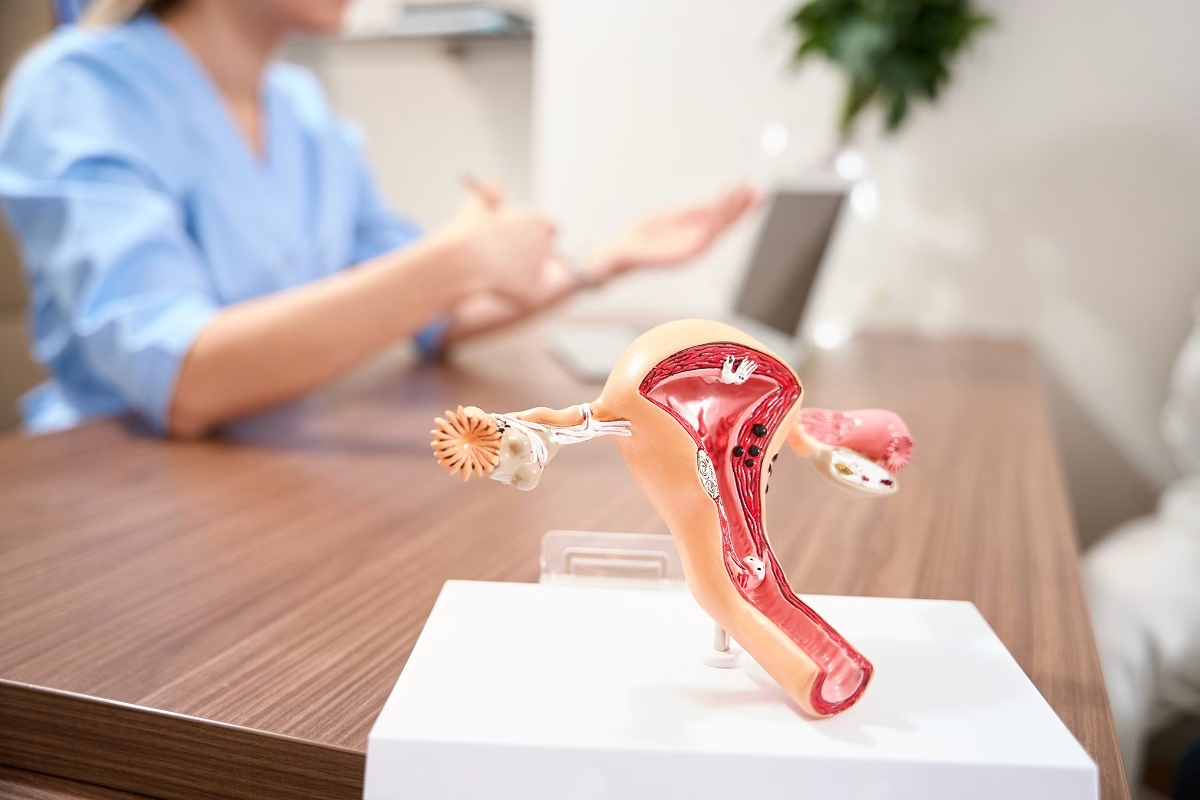
A condition that affects the ability to relax and coordinate pelvic floor muscles to poop is called pelvic floor dysfunction. It often causes straining to poop, urine or stool leakage, frequent urination, or constipation. However, this condition is treatable, and doctors often recommend physical therapy and medicines.
Generally, this is a common condition that involves the bladder, uterus, prostate, and rectum. In normal circumstances, these parts of the body help keep everything in place. Usually, people are able to go to the bathroom without problems because the body tightens and relaxes the pelvic floor muscles. It works similarly to tightening your biceps when you lift a heavy box or clenching your fist.
However, in people with pelvic floor dysfunction, the body continues to keep the muscles in the pelvic area tightened instead of relaxing them. It often means you have:
- Problems with bowel movements
- Incomplete bowel movements
- Urine or poop leakage
While pelvic floor dysfunction can cause pain during sexual intercourse in women, it may also cause erectile function problems in men (also known as erectile dysfunction or ED).
Symptoms
Commonly, people who develop pelvic floor dysfunction experience the following symptoms. Examples include:
- Frequent urination
- Some people may also have multiple starts and stops when trying to urinate
- Pushing or straining to pass a bowel movement
- Using the hand or frequently changing positions to eliminate stool
- Constipation (according to some studies, about 50% of people with chronic constipation develop pelvic floor dysfunction)
- Fecal or urinary incontinence (leaking stool or urine)
- Pain while urinating
- Unexplained low back pain
- Pain that occurs in the pelvic area, genitals, or rectum
Do not hesitate to see a healthcare professional if any of the symptoms listed above occur.
Causes and Risk Factors
Healthcare professionals do not know what exactly causes pelvic floor dysfunction. However, they have identified some factors that could increase your risk of developing it. Check below some examples:
- Traumatic injuries to the pelvic region (such as a motor vehicle accident or a fall from high places)
- Overusing the pelvic muscles
- Previous surgeries, such as hysterectomy or prostatectomy
- Pregnancy and childbirth
- Aging – The muscles can naturally become weakened as a normal part of aging.
- Persistent stress
- Anxiety
- Connective tissue disorders
This article does not contain a full list of factors that could increase your risk of pelvic floor dysfunction. For more details, discuss it with your physician.
What Disorders Can Be Mistaken for Pelvic Floor Dysfunction?
While some people may develop the following conditions along with pelvic floor dysfunction, sometimes, they can be mistaken for this disorder. Check below some of them:
- Interstitial cystitis – This disorder causes pain in the pelvis and bladder. Thus, it may lead to loss of muscle relaxation in the pelvic floor muscles.
- Irritable bowel syndrome (IBS) – This condition causes multiple symptoms that negatively affect your digestive system. These include constipation and inability to empty the bowels completely, among others. Previous symptoms are very similar to those caused by pelvic floor dysfunction.
- Pelvic organ prolapse (POP) – People often develop this disorder when the muscles holding the pelvic organs (including the uterus, bladder, and rectum) in place loosen and become too stretched. As a result, these organs can stick out of the vagina.
- Erectile dysfunction (ED) – This health condition occurs when a man cannot get or maintain an erection during sex. In some cases, pelvic muscle tension or pain is the cause of ED.
- Prostatitis – The symptoms caused by this disorder are also very similar to pelvic floor dysfunction symptoms. However, this condition is an infection or inflammation of the prostate gland. It is often caused by bacteria, sexually transmitted infections (STIs), or trauma to the nervous system.
- Constipation – This can also lead to pelvic floor dysfunction, especially if you experience it for long periods.
- Anorectal disorders – Diseases that negatively affect your anus (butthole) and rectum (such as fissures or fistulas) can also lead to pelvic floor dysfunction or cause similar symptoms.
What Happens if Pelvic Floor Dysfunction is Left Untreated?
If you ignore the symptoms and do not get treatment, it may lead to some complications. Check below some examples:
- Problems with intestines
- Sexual dysfunction
- Chronic pelvic pain
- Organ prolapse
- Mental disorders (such as anxiety and depression)
- Reduced quality of life
- Urinary issues (including stress urinary incontinence, frequent urination, and others)
Furthermore, you can consult with your healthcare professional about ways to reduce the risk or prevent previous complications.
Diagnosis
Usually, the diagnosis of pelvic floor dysfunction begins with a physical and pelvic examination for irregularities linked to the disease. Physicians may also ask some questions about the symptoms and medical history to get more clues about the condition. However, to confirm or rule out this disorder, doctors may perform the following tests and procedures. For example:
- Anorectal manometry – This test is used to see how well your anal sphincters work. It measures the pressure in the muscle contractions that are involved when you poop. Commonly, doctors also perform an electromyography (EMG) to test the coordination of the pelvic floor muscles.
- Defecating proctogram – This test is used to see how well you can start a bowel movement and empty it. It often helps identify prolapse and other anatomic abnormalities of the pelvic floor organs.
- Urodynamics – It is used to see how well you can empty your bladder. For instance, weak urine flow and starting and stopping to pee are the most common symptoms of pelvic floor dysfunction.
Treatment
In most cases, doctors try to treat this condition without surgery. These include:
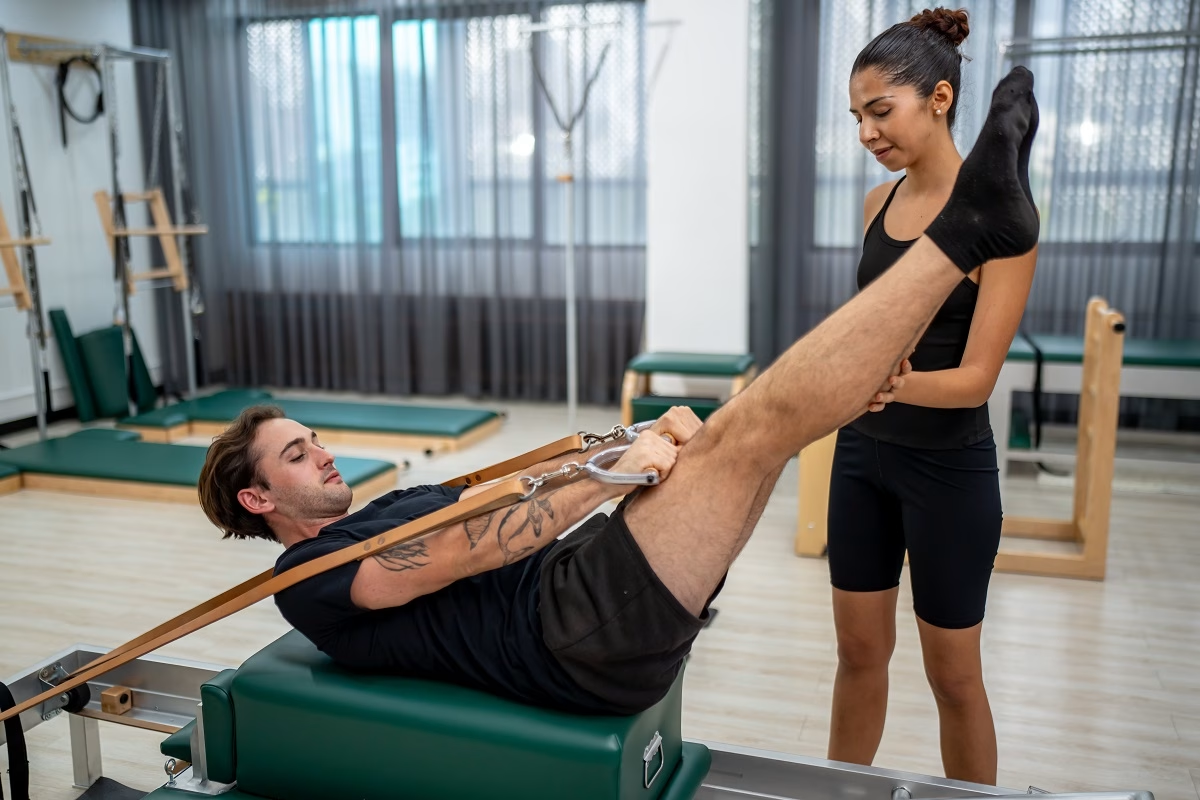
- Pelvic floor physical therapy – During this therapy, specialists will teach you specific exercises to stretch muscles in the pelvic area and improve their coordination.
- Biofeedback – This is one of the most common treatments recommended for people with pelvic floor dysfunction. Usually, it is recommended along with physical therapy to improve muscle coordination.
- Medicines – Doctors may also recommend some medications to keep bowel movements soft and regular. For example, over-the-counter (OTC) stool softeners.
- Relaxation techniques – These include meditation, warm baths, yoga, and exercises. In some cases, doctors may recommend acupuncture to ease tension in the pelvic floor muscles.
- Trigger point injections – These injections are recommended by doctors when physical therapy and biofeedback are not working.
Frequently Asked Questions
Can you restore your pelvic floor?
Usually, it takes several months to notice improvements in the symptoms. However, biofeedback helps about 30%-40% of people with pelvic floor dysfunction to recover muscle control.
Does pelvic floor dysfunction go away on its own?
Unfortunately, if you think you have this disorder, contact your healthcare professional because it does not go away without treatment.
What are the symptoms of a weak pelvic floor in men?
These include:
- Urinary problems (such as frequent urination or urinary incontinence)
- Bowel problems (including constipation or bowel incontinence)
- Sexual difficulties (such as erectile dysfunction or reduced erectile rigidity)
- Pelvic pain or pressure
- Lower back pain
If any of the previous symptoms occur, do not hesitate to see a doctor. Ask your healthcare professional if you have any other questions.