A health condition in which you experience twinging or cramps during ovulation is called ovulation pain. Sometimes, it is called mittelschmerz, and it may also cause light vaginal bleeding and discharge. While mild forms are treated with rest and over-the-counter (OTC) medicines, in more severe cases, doctors may prescribe birth control pills.
In other words, ovulation pain is a pelvic pain that occurs during ovulation, and it is a part of the menstrual cycle when the ovary releases the egg. Commonly, ovulation occurs between periods or around day 14 of a 28-day menstrual cycle. Moreover, those who experience pain at ovulation can tell based on the type of pain they experience.
Generally, this condition affects about 40% of people who ovulate.
Where Does Ovulation Pain Occur?
Typically, ovulation pain occurs in the lower abdomen and pelvic area. Most people have two ovaries (one on the left and one on the right side of the uterus), which take turns ovulating. Therefore, each ovary releases an egg every month. When people say they feel pain only on one side of the abdomen, it means they feel pain in the part where an ovary releases the egg.
Sometimes, you may notice that pain occurs only on one side despite each ovary releasing an egg each month.
Symptoms
While you may feel pain similar to a mild twinge, some people may experience a sudden and sharp pain. In most cases, ovulation pain occurs only on one side of the pelvic area (usually the part where the egg is released). This type of pain also occurs differently among people because some of them experience pain for a few minutes, but others experience it for the whole day. Check other symptoms below:
- Vaginal discharge
- Nausea
- Low back pain
- Light vaginal bleeding
If any of the previous symptoms occur, do not hesitate to see a doctor for a diagnosis.
Causes
To understand what ovulation pain is, we need to understand what ovulation is. This is the process in which each ovary releases an egg and a part of the menstrual cycle. Each egg grows inside a follicle (a fluid-filled sac) that stretches and breaks open to release the egg. Both follicle stretching and the egg bursting can cause pain. In general, this is a normal part of the menstrual cycle and the ovulation process.
Sometimes, ovulation pain is very similar to period pain (such as menstrual cramps or dysmenorrhea). However, ovulation pain occurs about 2 weeks before the period starts. Usually, pain caused by ovulation lasts a few hours, but sometimes, it may last up to 2 days.
What Happens if Ovulation Pain is Left Untreated?
If you develop a severe form of ovulation pain and leave it untreated, it may lead to the following complications. Check some of them below:
- Endometriosis
- Ovarian cysts (especially if ruptured or twisted)
- Pelvic inflammatory disease (PID)
- Ectopic pregnancy
- Appendicitis
- Fibroids
This article does not contain a complete list of ovulation pain complications. Moreover, the previous complications may occur only if you experience severe or prolonged pain. The previous complications may cause fever, vomiting, dizziness, abnormal bleeding, scarring, chronic pain, and fertility problems. If you experience any of the previous complications, consult with your doctor about measures to treat them.
In addition, ovulation pain can be prevented only by preventing ovulation. To prevent it, doctors often prescribe hormonal contraceptives.
Diagnosis
Doctors often diagnose a condition based on the timing of the pain. It often occurs about 2 weeks into your menstrual cycle. They may also ask some questions about your menstrual cycles. Sometimes, doctors may recommend tracking your menstrual cycle to determine when ovulation occurs. Check below some tests often done to rule out other causes of pain:
- Pelvic examination – During this examination, doctors will check for abnormalities linked with pelvic pain (such as endometriosis or ovarian cysts).
- Vaginal ultrasound – This is an imaging test that uses sound waves to produce images of the vagina. It often helps identify cysts that may cause pain similar to ovulation pain.
- Culture test – In some cases, doctors may take swabs or fluid from the cervix to check for infections.
Healthcare professionals may perform additional testing if the pain you experience is severe. For more details, discuss it with your doctor.
What Conditions Can be Mistaken for Ovulation Pain?
There are some health conditions that can be mistaken for ovulation pain because they cause similar symptoms. Check some examples below:
- Endometriosis – This is a painful condition in which the uterine lining grows outside of the uterus.
- Scar tissue – It is often caused by a C-section or other abdominal surgery.
- Sexually transmitted infections (STIs) – For example, chlamydia that can cause inflammation and pain.
- Pelvic inflammatory disease – This is an infection that negatively affects your reproductive system.
- Ovarian cyst or torsion – An ovarian cyst appears as a pouch of fluid. In some cases, an ovary may twist and cause pain.
- Ectopic pregnancy – It occurs when a pregnancy develops outside the uterus (usually in the fallopian tube).
- Appendicitis – This is a condition in which the appendix becomes inflamed.
- Other abdominal issues, such as inflammatory bowel disease (IBD)
Treatment
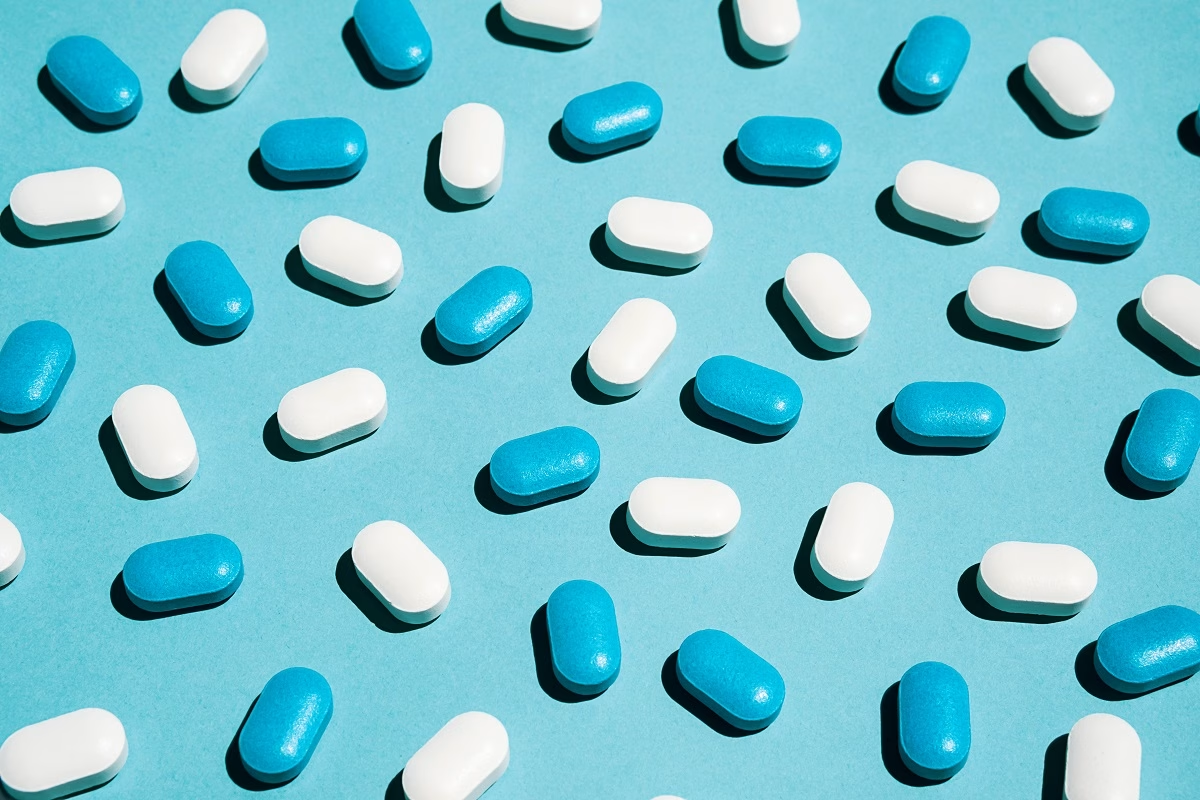
Most people with ovulation pain do not need treatment, and it is often treated with OTC NSAIDs (nonsteroidal anti-inflammatory drugs), such as Ibuprofen or Naproxen, or Acetaminophen to ease pain. Sometimes, a heating pad or hot bath may also help relieve pain.
In more severe cases, doctors may recommend birth control pills that prevent ovulation. However, you should know that these pills prevent you from becoming pregnant.
Frequently Asked Questions
When should I contact my healthcare provider?
If you experience any of the following symptoms, do not hesitate to contact your doctor. For example:
- Red or burning skin at the pain site
- Severe nausea or vomiting
- Pain during urination
- Fever
- OTC medicines do not work
- Heavy vaginal bleeding between periods
- Severe pain in the middle of the menstrual cycle
Does ovulation pain mean I’m more fertile?
In general, ovulation pain does not affect your chances of getting pregnant.
What are the signs of cysts on the ovaries?
These include:
- Pelvic pain or a dull ache in the lower back
- Bloating
- Pain during sexual activity
- Pain during menstrual periods
If you have additional questions, ask your healthcare provider.