

A type of cancer that begins to develop in the bones (usually in the arms or legs) is called osteosarcoma (also known as osteogenic sarcoma). The most common symptoms include unexplained broken bones, bone pain, and limited movement. Moreover, approximately 7 in 10 people survive osteosarcoma, especially if the cancer does not spread to other parts of the body.
This type of cancer is sometimes called osteogenic sarcoma by doctors. The medical term “sarcoma” means a type of cancer that often develops in the connective tissue, such as bone, cartilage, or muscle. Furthermore, this type of cancer mostly affects kids and teens. According to some experts, osteosarcoma affects fewer than 1,000 people in the U.S per year.
Which Bones Does Osteosarcoma Affect?
This type of cancer appears along the bones. In most cases, it affects the ends of the bones around joints (especially near knees, hips, or shoulders). While it mostly affects the shin bone (tibia), thigh bone (femur), and upper arm bone (humerus), it may also affect the jaw bone, pelvis bones, skull bones, and soft tissue or organs in the abdominal and chest area.
Osteosarcoma Grades
Physicians have categorized this type of cancer into 3 grades depending on how fast it metastasizes (spreads). For example:
- Low grade
- Intermediate grade
- High grade
While low-grade tumors grow slowly and usually do not spread, people with high-grade tumors may notice that the tumor grows quite fast. Moreover, there is an increased risk of metastatic osteosarcoma.
Symptoms
People with this type of cancer may experience different symptoms because it depends on several factors. These include the stage and category of the cancer, overall health, and age. Check below for the most common symptoms of osteosarcoma:
- Limit movement in the affected joint
- Bone pain
- Tenderness around a bone
- A lump (tumor) that you can feel
- Discoloration of the skin
- Swelling
- Unexplained fever
- Broken bones that often occur suddenly from injuries that normally would not cause bone fractures
Contact your healthcare professional right away if any of the symptoms listed above occur.
While some types of osteosarcoma are painless, they usually cause intense bone pain. It depends on where people develop the tumor. For instance, most people feel pain when trying to lift objects if the tumor develops in the arm bones.
Causes
Healthcare providers do not fully understand what exactly causes this type of cancer. Check below some possible causes of this type of cancer:
- Fast bone growth – The risk of osteosarcoma increases during growth spurts. This may explain why osteogenic sarcoma mostly affects kids and teens.
- Prolonged exposure to radiation – If you are exposed to radiation at work, in the environment, or as a part of cancer treatment (radiation therapy), you may develop this type of cancer.
- Genetic factors – A mutation in the p53 gene may cause some types of cancer (including osteosarcoma). Normally, this gene is a tumor suppressor that helps the body stop tumors from developing. Other experts think this type of cancer is associated with the retinoblastoma (Rb) gene, which is linked with eye cancers in young children.
- Bone infarction – This condition occurs when something interrupts blood flow to the bone tissue. Lack of blood can destroy healthy bone cells and increase your risk of developing osteosarcoma.
Risk Factors
While it is not possible to determine what causes this type of cancer, physicians have identified some factors that may increase your risk of developing it. In fact, osteosarcoma mostly affects 3 out of every 4 people younger than 25 years. In general, the average age of diagnosis is 15. The risk of developing osteosarcoma may increase if you have had cancer treatments for other types of cancer. Furthermore, people with some disorders are at increased risk of developing osteosarcoma. For example:
- Li-Fraumeni syndrome
- Osteitis deformans (Paget’s disease of the bone)
- Bloom syndrome
- Hereditary retinoblastoma
- Diamond-Blackfan anemia
- Rothmund-Thomson syndrome
- Werner syndrome
What Happens if Osteosarcoma is Left Untreated?
People with osteosarcoma may also experience some complications, especially if they do not have symptoms or do not get treatment. Check below some of them:
- Metastasis
- Infections
- Chemotherapy adverse reactions (including nausea, hair loss, extreme tiredness, vomiting, and others)
- Skin or bone damage caused by radiation therapy
- Amputation
- Recurrent osteosarcoma
- Heart problems
- Infertility
- Secondary cancers
- Developmental issues
- Psychological and emotional distress
This document does not contain all possible osteosarcoma complications. However, you can consult with your healthcare professional about ways to reduce the risk or even prevent these complications.
How to Prevent Osteosarcoma?
There is no way to prevent this type of cancer because doctors do not fully understand why it happens. However, if you are at increased risk for cancer, you should perform regular checkups to catch it in the early stages. Early diagnosis and proper treatment increase the risk of curing this type of cancer.
Diagnosis
Doctors often begin the diagnosis of osteosarcoma with an evaluation of your medical history and a physical examination. They may also ask some questions about the symptoms and family history to get more clues about the disease. Check below some tests that often help confirm or exclude osteosarcoma:
- Blood tests
- Biopsy – During this test, doctors will take a small sample of the affected tissue to check for cancerous cells.
- Imaging tests – The following tests are used to get detailed pictures of different structures and organs in the body. Doctors usually perform CT (computed tomography) scans, X-rays, or MRI (magnetic resonance imaging) scans.
Additionally, after diagnosing osteosarcoma, physicians may perform additional imaging tests to determine the extent (stage) of the cancer. It helps make the best treatment plan for you.
Treatment
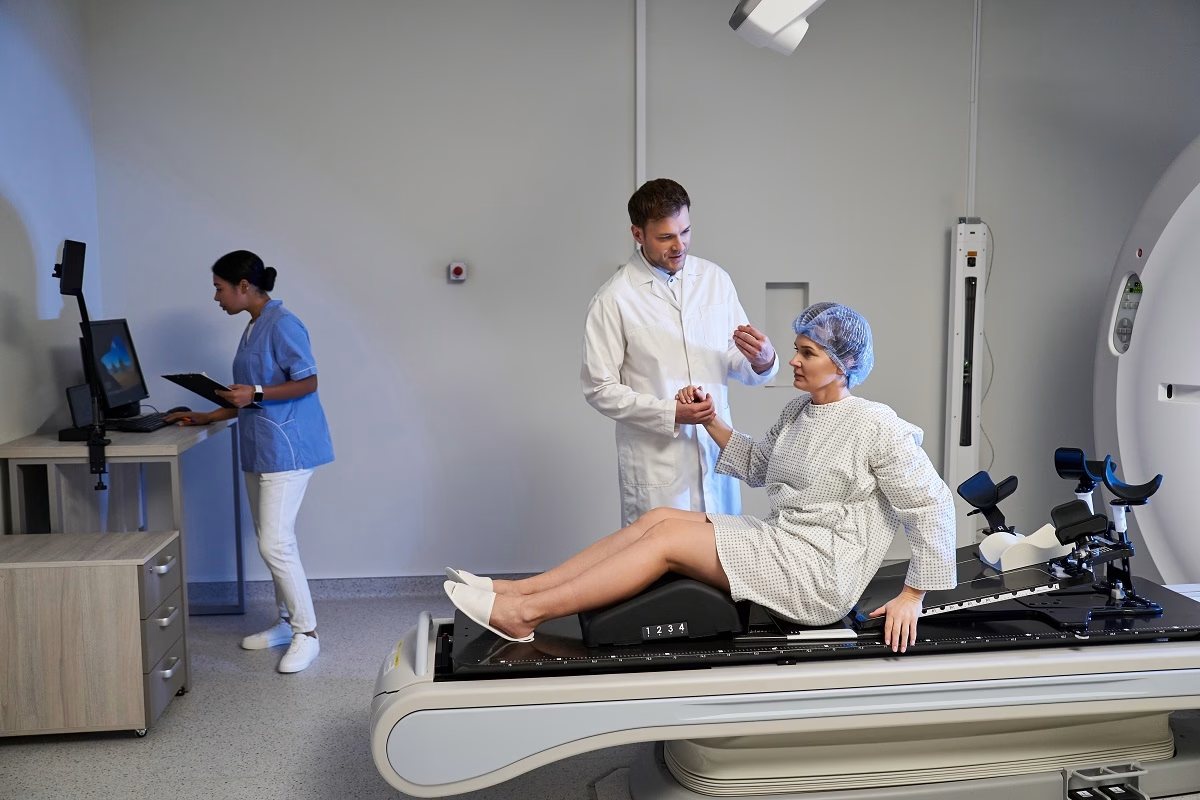
While the primary treatments for people with osteosarcoma are surgery and chemotherapy, doctors may recommend radiation therapy, especially if the cancer spreads to other parts of the body.
Surgery
During this treatment, doctors will try to remove the tumor and preserve as much bone as possible. However, they usually also remove some healthy tissue around the tumor to make sure there are no remaining cancerous cells. Sometimes, surgeries include:
- Limb salvage surgery
- Amputation
- Rotationplasty
Chemotherapy Drugs
This is another cancer treatment that involves strong medicines to destroy cancerous cells throughout the body. This treatment can be prescribed by doctors before surgery to shrink a large tumor, after surgery to destroy cancerous cells that may remain, or in combination with radiation therapy when surgery is not an option.
In addition, cancer treatments may cause some adverse reactions. Moreover, some of them may last for months or even years. Check below some of them:
- Infertility
- Mood swings
- Neurological issues
- Problems with some organs, including the heart, lungs, ears, or kidneys
- Changes in thinking, learning, or memory
- Secondary cancer
Frequently Asked Questions
What is the survival rate of osteosarcoma?
In general, the survival rate depends on the type of cancer and whether it spreads to other parts of the body (metastasizes). According to some data, about 7 out of 10 people with localized sarcoma survive with treatment.
Is osteosarcoma aggressive?
This type of cancer can be aggressive (high-grade tumors) and spread quickly to other parts of the body. However, low-grade osteosarcoma often causes mild symptoms and does not spread to other structures of the body. Moreover, 2 in every 10 cases are metastatic osteosarcoma. These cases have already spread by the time of the diagnosis.
When should I see my healthcare provider?
Do not hesitate to visit a doctor if you notice signs of cancer that return or are spreading, complications of cancer treatments, or any changes in your health. Usually, people need more frequent checkups at first (every 3-6 months). Ask your healthcare professional if you have additional questions.