
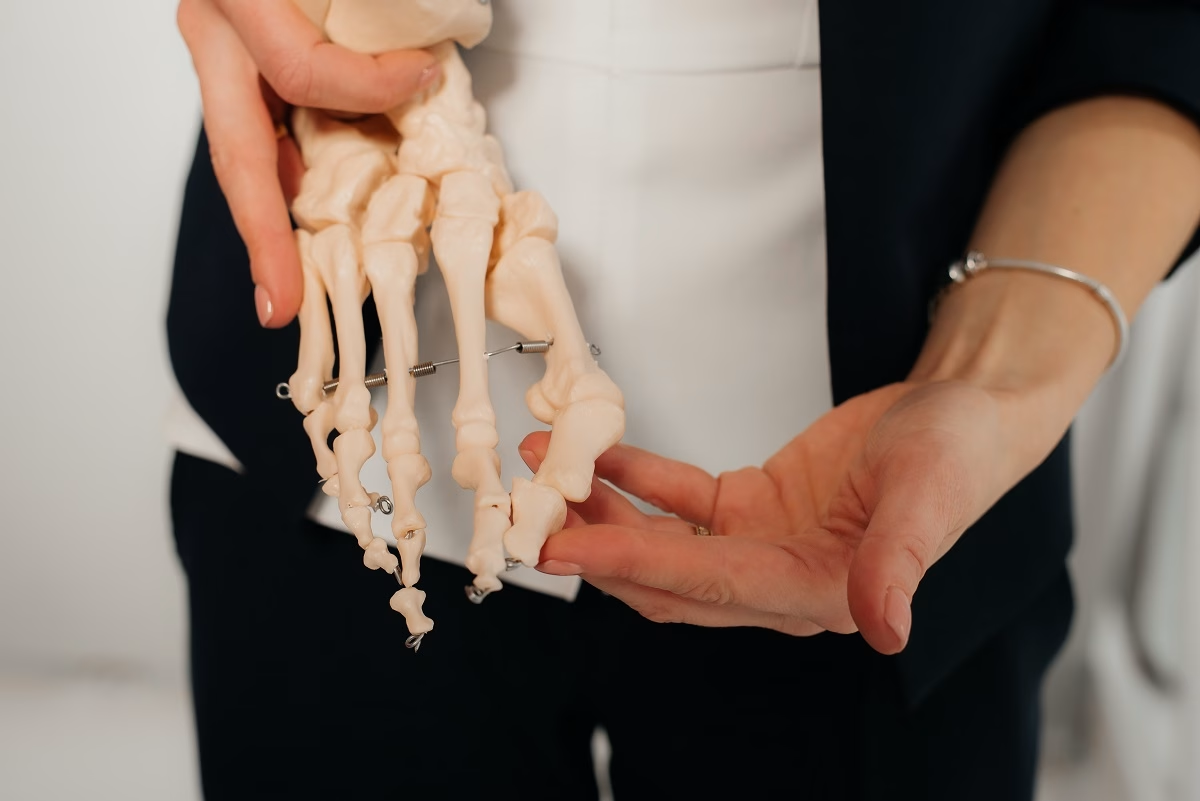
A genetic disorder that causes your bones to become weak, thin, and brittle is called osteogenesis imperfecta (also known as brittle bone disease). Those who develop it may easily break their bones, even with little or no force can break them. Sometimes, osteogenesis imperfecta (OI) may cause a curved spine, muscle weakness, difficulty breathing, and other health problems. One of the most common types of OI often causes mild symptoms.
Furthermore, OI is a connective tissue disease that makes your bones fragile. This genetic condition also affects the body’s ability to produce collagen. This is a protein that helps develop your bones, skin, muscles, and tendons. Some people may also notice problems with their teeth, skin, spine, lungs, and other internal organs.
Types of Osteogenesis Imperfecta
Doctors have divided this genetic condition into 19 types. The most common types are I through IV. While people with the first type of OI have reduced amounts of collagen, the types II, III, and IV cause this protein to form improperly. These 3 types can cause severe symptoms.
Type I
In most cases, people develop the first type of this condition. Usually, it causes mild symptoms compared to other types. However, the bones can still break more easily than those of a person without this condition. In most cases, broken bones occur before puberty and do not cause deformities.
Type II
The second type of this condition is the most severe form, and usually, babies die shortly after birth. In most cases, it causes the following fatal complications. For example:
- Serious bone deformities
- Multiple broken bones before birth
- Underdeveloped lungs
Type III
This type of condition is more severe than the first type but less severe than the second type. Furthermore, it may cause serious bone deformities and make your bones very fragile. Commonly, people live with physical disabilities. In addition, babies are born with broken bones.
Type IV
The fourth type of this genetic disorder is a little more severe than the first type. The bones are still more fragile than usual, but they do not break easily, as in babies with the third type of the disease.
Symptoms
Usually, people with osteogenesis imperfecta experience different symptoms. It depends on the type and severity of the condition, other health problems, and age. Check below some examples:
- Bone pain and deformities
- Bone weakness
- Increased risk of bone fractures
- The white part of the eye can turn blue or gray
- Barrel-shaped rib cage
- Kyphosis or scoliosis (curved spine)
- Short stature
- Triangular face shape
- Brittle, weak, or discolored teeth
- Bruising
- Joint problems
- Hearing loss
- Muscle weakness
- Difficulty breathing
If your child experiences any of the symptoms listed above, immediately contact your healthcare professional.
Causes
This condition occurs due to a mutation in specific genes. While most people develop OI due to mutations in the COL1A1 or COL1A2 genes, the rarest forms of OI occur due to changes in other collagen genes.
These genetic changes (mutations) can occur randomly, or you can inherit them from your biological parents during pregnancy. Moreover, the risk of developing OI significantly increases if you have a parent with this condition. Rarely, people may have these genetic mutations but never develop OI.
What Are The Potential Complications of Osteogenesis Imperfecta?
People with this condition may experience some complications besides severe symptoms. Check below some examples:
- Frequent lung infections (such as pneumonia)
- Respiratory problems (such as respiratory failure)
- Nervous system problems
- Heart disease (including heart failure)
- Dwarfism
- Joint problems
- Life-threatening bone fractures
- Increased risk of malignant (cancerous) hyperthermia during anesthesia
- Dental problems
How to Prevent Osteogenesis Imperfecta?
This genetic condition cannot be prevented, especially if you or your partner has this condition. In any case, you can perform some genetic tests to determine the risks of passing the condition to your children. Furthermore, it is very important to understand the risks of having children with OI.
Diagnosis
Usually, this condition is diagnosed during childhood. It is often confirmed or ruled out through the following tests. These include:
- Genetic tests
- Bone density tests
Sometimes, physicians may suspect OI during pregnancy (before birth). In such cases, they usually perform an ultrasound to get more clues about the disease. However, to confirm this condition during pregnancy, doctors often perform an amniocentesis.

Treatment
While this genetic condition cannot be prevented or cured, the treatment goal is to reduce the symptoms, improve your bone strength, and improve your quality of life. Mostly, doctors prescribe the following treatments. Examples include:
- Occupational therapy
- Physical therapy (to improve strength in bones and muscles)
- Assistive devices (including canes, walkers, or crutches to improve mobility)
- Oral and dental care (these include regular dental checkups, orthodontic care for tooth and jaw problems, and others)
- Pulmonary care
- Medicines (doctors may prescribe Biphosphonates to strengthen the bones)
- Surgery (these include metal rods that help support curved and fragile bones)
- Braces, splints, or casts – These help stabilize bones after breaks or surgery.
Frequently Asked Questions
When should I see my healthcare provider?
You should see a doctor if you or your child has OI symptoms. It is also recommended to inform your doctor about bone fractures, especially without a major injury. If you or your child breaks one or multiple bones, you should call 911 or go to the nearest emergency room (ER).
What is the life expectancy of a person with osteogenesis imperfecta?
While mild forms of OI do not affect the person’s lifespan, more severe types can significantly reduce life expectancy. For more details, discuss it with your doctor.
What causes osteogenesis imperfecta?
This condition occurs due to mutations in the genes that are responsible for producing collagen. For example, mutations in the COL1A1 or COL1A2. However, not everyone who has mutations in these genes develops OI. Ask your healthcare provider if you have additional questions.