
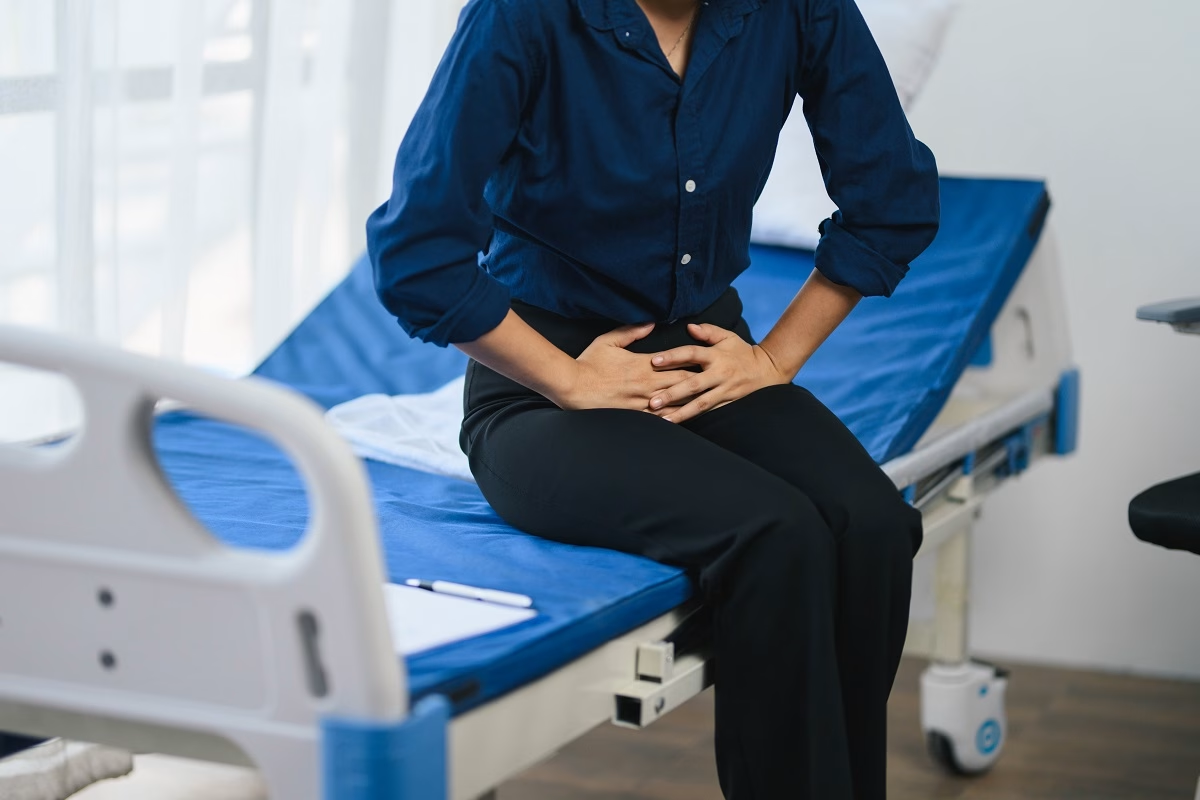
A health condition in which certain blockages in the body affect the ability to urinate is called obstructive uropathy. While it usually causes pain and infection, it may also cause other symptoms. In most cases, obstructive uropathy occurs due to kidney stones, an enlarged prostate gland, strictures, and cancer. However, this is a treatable condition, and doctors often recommend a Foley catheter or nephrostomy tubes (these are used to drain the bladder if you cannot urinate).
In other words, obstructive uropathy is a condition characterized by a blockage in the urinary system. In general, obstruction means to block or impede, and uropathy means a disease that negatively affects the urinary organs. Sometimes, this condition causes the urine to flow backward into the kidneys, which can lead to damage. Some people know this condition as urinary blockage.
Furthermore, this condition affects 2 out of every 1,000 people, and it accounts for approximately 10% of all diagnosed chronic kidney disease (CKD).
Types of Obstructive Uropathy
Healthcare professionals have divided this condition into 2 types. For instance, if the condition occurs suddenly, it is known as (acute obstructive uropathy), but if it develops gradually over time, it is called chronic obstructive uropathy. Moreover, this disorder may affect one kidney (unilateral obstructive uropathy) or both of them (bilateral obstructive uropathy).
In addition, this condition of the urinary system can be partial or complete. It means the blockages can affect whether a part or all of the urinary system. Usually, partial obstructive uropathy occurs when the stream slows or stops in the middle of urinating, but if you cannot urinate at all, it often indicates a complete obstructive uropathy.
Symptoms
Usually, people with this condition experience the following symptoms. These include:
- Urinary retention (inability to completely empty the bladder)
- Urge incontinence (an uncontrollable and sudden urge to urinate)
- Leaking pee (urinary incontinence)
- Slow urine flow or difficulty starting to urinate (urinary hesitancy)
- Hematuria (bloody urine)
- Reduced urination
However, obstructive uropathy may also cause other symptoms. Check below some of them:
- Fever
- Nausea
- Vomiting
- Flank pain
Usually, people with urinary system blockages feel discomfort or pain in the abdominal area. Immediately contact your healthcare professional if any of the previous symptoms occur.
Causes
In most cases, people develop obstructive uropathy due to the following health conditions. Check below some of them:
- Kidney stones
- Benign prostatic hyperplasia (enlarged prostate gland)
- Urethral or ureteral stricture (scarring in the urethra or ureters)
- Nerve damage that negatively affects the muscles around the bladder
In some cases, people may develop this disorder due to certain types of cancer. For example:
- Bladder cancer
- Cervical cancer
- Colon cancer
- Ovarian cancer
- Prostate cancer
- Ureteral and uterine cancers
In addition, doctors have identified some factors that could elevate your risk of developing obstructive uropathy. These include congenital abnormalities (such as posterior urethral valves), some medicines (including long-term use of anticholinergics, muscle relaxants, or antihistamines), structural or anatomical problems, some surgeries, and disorders that impact nerve function (including Parkinson’s disease, muscle sclerosis, and others).
What Are The Possible Complications of Obstructive Uropathy?
It is important to understand that obstructive uropathy is a serious condition that may cause serious and even life-threatening complications if it is left untreated. However, you can consult with your healthcare professional about ways to reduce the risk or even prevent them. Check below some examples:
- Kidney failure – This is a serious complication in which the kidneys are swollen (hydronephrosis). Therefore, it may lead to a blockage that can cause permanent damage to the kidneys.
- Infections – People with obstructive uropathy are more prone to urinary tract infections (UTIs), such as pyelonephritis or sepsis (rarely).
- Kidney stones
- Bladder dysfunction – These blockages in the urinary system may also cause permanent damage to the bladder.
- Fistula formation – Increased pressure from the blockage can cause a fistula. This is an abnormal connection between the organs.
- Urinary extravasation and urinoma formation – This complication causes urine leakage from the urinary tract into the surrounding tissues, causing the formation of a urinoma.
- Electrolyte imbalances – If the kidneys cannot properly filter the blood, it may lead to imbalances in the electrolytes.
The previous list does not contain a full list of obstructive uropathy complications.
How to Prevent Obstructive Uropathy?
There are some tips that doctors usually recommend to reduce the risk of developing blockages in the urinary system. These include:
- Avoid tobacco products – For example, smoking, vaping, and smokeless tobacco. If you have problems with smoking cessation, it is advised to see a doctor.
- Cancer screening – Regular cancer screenings are also recommended because some types of cancer can cause obstructive uropathy.
- Dietary changes – You should eat lots of fresh fruits and vegetables, and reduce the amount of processed foods, red meat, sugar, and salt.
- Drink plenty of water
- Physical exercise – Usually, physicians recommend aiming for 30 minutes of physical exercise per day, at least 5 days a week.
- Administering the medicines – Take medications exactly as prescribed by your doctor. Otherwise, it may lead to unpleasant outcomes.
Diagnosis
In most cases, physicians begin the diagnosis of this condition with a physical examination to check for abnormalities linked to the disease and an evaluation of your medical history. They may also ask some questions about your symptoms to get more clues about the condition. However, to confirm or rule out obstructive uropathy, doctors often perform the following tests and procedures. Check below some of them:
- Urodynamic tests – These tests are used to measure how much you urinate and the strength and speed of the pee stream.
- Imaging tests – The following tests are often done to get detailed images of different structures and organs in the body. They usually perform CT (computed tomography) scans, X-rays, or MRI (magnetic resonance imaging) scans.
- Cystoscopy – During this procedure, doctors use a specific tool (cystoscope) to examine the urethra and bladder.
- Voiding cystourethrogram (VCUG) – It is also an imaging test used to examine the bladder as it fills with fluid and drains during urination.
- Renal scan – This test is a type of nuclear medicine test used to see how the blood flows through the kidneys and urine through the urinary system.
Treatment
The treatment is often different among people with obstructive uropathy because it depends on several factors. For example, the type and severity of the disease, overall health, age, and preferences. Check below some options often recommended by doctors:
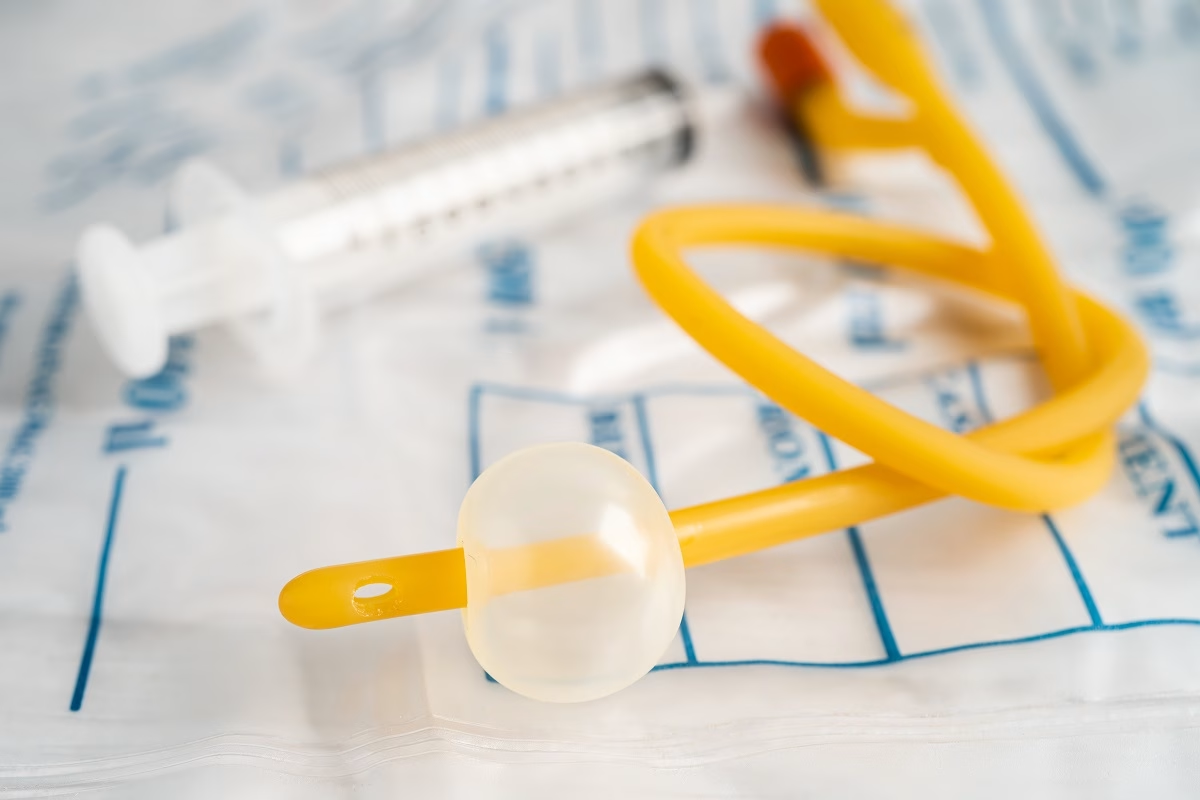
- Foley catheter – During this procedure, doctors will insert a small and flexible tube in the urethra and bladder to drain the urine into a bag outside the body.
- Nephrostomy tubes – This treatment involves specific catheters that are inserted directly into the kidney through the back.
- Ureteral stents – This option is used to hold the ureters open.
- Urethral dilation – During this procedure, surgeons will use small rods or a balloon to widen the urethra slowly.
In some cases, doctors may also prescribe some medicines to treat an enlarged prostate gland. If you develop a severe form of obstructive uropathy, physicians may also recommend removing the affected kidney (nephrectomy) or prostate (prostatectomy).
Frequently Asked Questions
When should I go to the ER?
If you experience any of the following symptoms, immediately call 911 or go to the nearest emergency room (ER). These include:
- Lack of urine
- Increased pain during urination
- Hematuria
- Infection symptoms, such as fever and chills
What is the difference between obstructive uropathy and vesicoureteral reflux?
VUR (vesicoureteral reflux) is a type of obstructive uropathy, and it usually affects children under 2 years old. Usually, VUR occurs due to congenital disorders that occur during pregnancy or a blockage or narrowing in the bladder or urethra.
Can obstructive uropathy be cured?
While most people with this disorder recover completely with treatment, sometimes, people can develop chronic kidney disease or need for dialysis. Ask your healthcare professional if you have any other questions.