

A medical term used to describe an injury or disease that affects the electrical signals between the nervous system and the bladder is neurogenic bladder. While there is no way to cure this condition, doctors may recommend some treatments to relieve the symptoms. The treatment often includes lifestyle changes, catheters, and medicines.
The nervous system consists of the brain, spinal cord, and nerves. Normally, nerves send electrical signals between the brain and the rest of the body. It helps the body function (including moving, breathing, and even urinating). Sometimes, this condition is called neurogenic lower urinary tract dysfunction (NLUTD).
Types of Neurogenic Bladder
Generally, there are two major bladder control problems connected to a neurogenic bladder. It depends on the affected nerves and the nature of the damage. For example:
- Overactive (also called spastic or hyper-reflexive) bladder
- Underactive (flaccid or hypotonic) bladder
Symptoms
The most common symptom of neurogenic bladder is the inability to control urination. However, you may also experience the following symptoms depending on the type you develop. For example:
Overactive Bladder Symptoms
- Urinary hesitancy (difficulty starting to urinate or slow urine stream)
- Loss of bladder control (also known as urinary incontinence)
- Frequent urination (more than 8 times per day)
- Sudden urges to urinate (urinary urgency)
Underactive Bladder Symptoms
- Inability to empty the bladder completely (also known as urinary retention)
- Overflow incontinence (it occurs when the bladder is too full)
- Urine leakage
- Inability to urinate when the bladder is full
If you experience any of the previous symptoms, do not hesitate to visit a doctor.
Causes
In some cases, neurogenic bladder may occur due to some congenital (present at birth) conditions. These include:
- Cerebral palsy
- Spina bifida
- Caudal regression syndrome
There are also certain neurological conditions that may contribute to neurogenic bladder. For example:
- Multiple sclerosis (MS)
- Stroke
- Parkinson’s disease
- Central nervous system tumors
Some people may develop this condition due to spinal cord injuries or traumatic injuries (including a fall or car accident).
What Are The Possible Complications of Neurogenic Bladder?
People with this condition are at increased risk of developing other urinary system disorders. Check some of them below:
- Urinary tract infections (UTIs)
- Vesicoureteral reflux (this is a condition in which the urine flows backward from the bladder to the kidneys)
- Stones in the urinary system (such as kidney stones)
- Kidney damage (also known as renal insufficiency)
- Anxiety or depression
- Bladder cancer (rarely)
- Autonomic dysreflexia (this complication may also cause additional symptoms, including headaches, sweating, and slow heart rate)
- Abscesses
- Epididymitis – This is a condition in which the epididymis becomes inflamed. This is a coiled tube that stores and carries sperm. Sometimes, this is a catheter-related complication.
The previous list does not contain all possible complications of neurogenic bladder. In any case, you can consult with your doctor about measures to reduce the risk or even prevent them.
Diagnosis
First, doctors will review your medical history and perform a physical examination to check for abnormalities linked to the disease. Therefore, they may also perform the following tests and procedures to confirm or rule out neurogenic bladder. Check some tests below:
- Cystoscopy – This test is used to examine the urethra and bladder from inside.
- Imaging tests – The following tests are used to get detailed images of the bladder and nearby structures. Usually, doctors perform MRI (magnetic resonance imaging) scans, X-rays, CT (computerized tomography) scans, or ultrasounds.
- Urodynamic testing – Usually, doctors perform this test to measure the amount of urine your bladder can hold. It also helps determine the pressure within the bladder and how well the urine flows. Furthermore, doctors will place special sensors near the urethra or rectum to make sure the muscles and nerves are working properly.
Treatment
People with this condition often get different treatments because it depends on the severity and type of the disease, existing health problems, age, and preferences. Check some examples below:
- Augmentation cystoplasty – This treatment is also known as bladder augmentation, and it is a type of surgery used to increase the size of the bladder. It helps hold more urine.
- Botulinum toxin – This medicine is injected into the bladder or urinary sphincters to relax the muscles. As a result, the bladder can hold more urine. It may also help relieve the following symptoms. For example, urgency, frequency, and leakage of the urine.
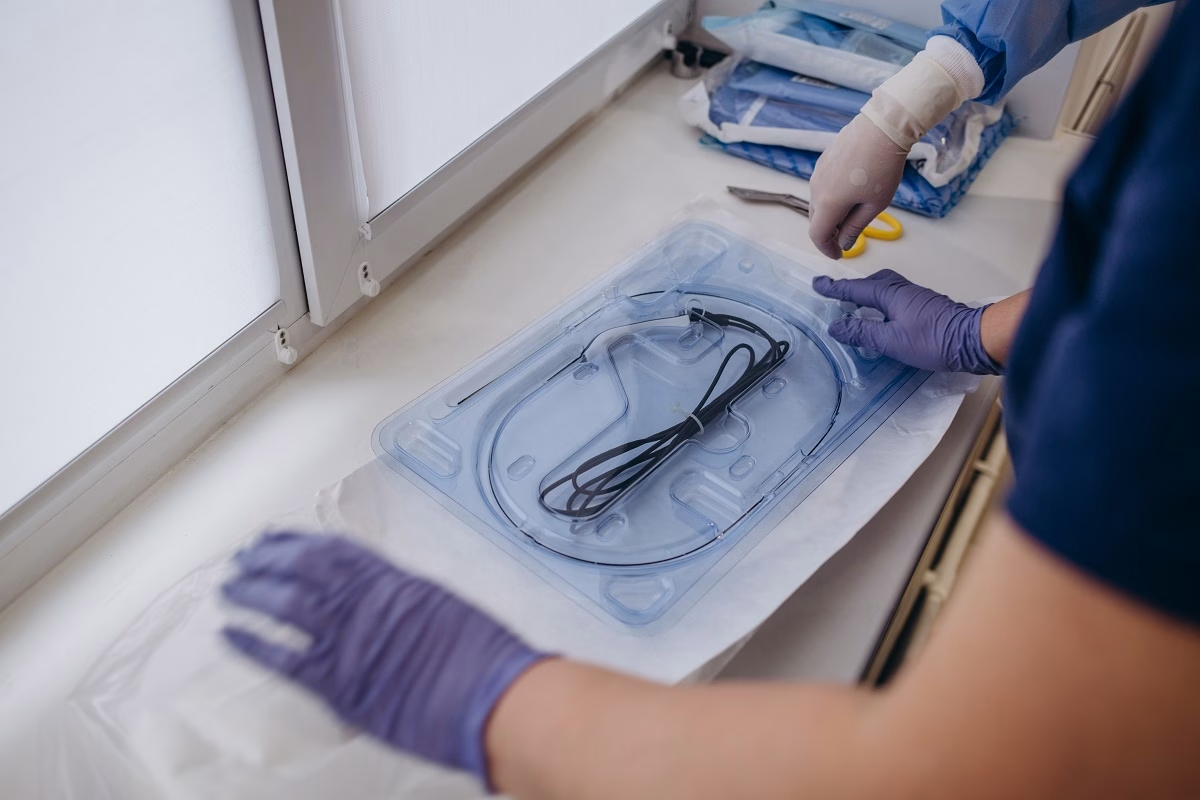
- Continuous catheterization – This option involves a small and flexible tube (urinary catheter) all the time that allows you to urinate. It is often inserted through the urethra into the bladder or through the lower abdominal wall.
- Medications – Doctors may recommend the following medications to relieve the symptoms. For example, Oxybutynin, Tolterodine, Mirabegron, and Solifenacin succinate.
- Self-catheterization (also known as clean intermittent catheterization) – During this procedure, doctors will teach you how to insert a catheter through the urethra into the bladder.
- Urinary reconstruction and diversion – This is a procedure in which the surgeons will disconnect the small intestine or large intestine and attach it to one end of the ureters and then to a stoma (a surgical opening). Therefore, the stoma will drain into a plastic bag (also called an ostomy bag) that is attached to the outside of the body.
What is The First-line Treatment for Neurogenic Bladder?
While it is not a treatment, doctors often recommend absorbent underwear that helps prevent wetness and odors while protecting the skin and clothing. They may also recommend bed pans and rubber sheets to protect the mattress and bed linens.
In addition, most people with neurogenic bladder may also need lifestyle changes along with the treatment. For example, avoiding some foods and drinks that may irritate the bladder. For example, alcohol, caffeine, and carbonated drinks (such as soda pop). Furthermore, you should have regular checkups if you have diabetes, hypo- or hyperglycemia, constipation, and other conditions.
Frequently Asked Questions
Can a neurogenic bladder be cured?
Unfortunately, it is not possible to cure this condition. That’s why the treatment goal is to ease the symptoms, prevent serious complications, and improve your quality of life. Contact your healthcare professional immediately if you suspect you have a neurogenic bladder.
What kind of doctor treats it?
If your doctor suspects this condition, you can be referred to a urologist (a doctor specialized in neurourology). They may also diagnose and treat problems related to the male and female reproductive systems.
What are the symptoms of a neurogenic bladder?
Typically, individuals with this disorder experience the following symptoms. These include urinary incontinence, urinary retention, and a weak or dribbling urine stream. If you have additional questions, ask your healthcare provider.