
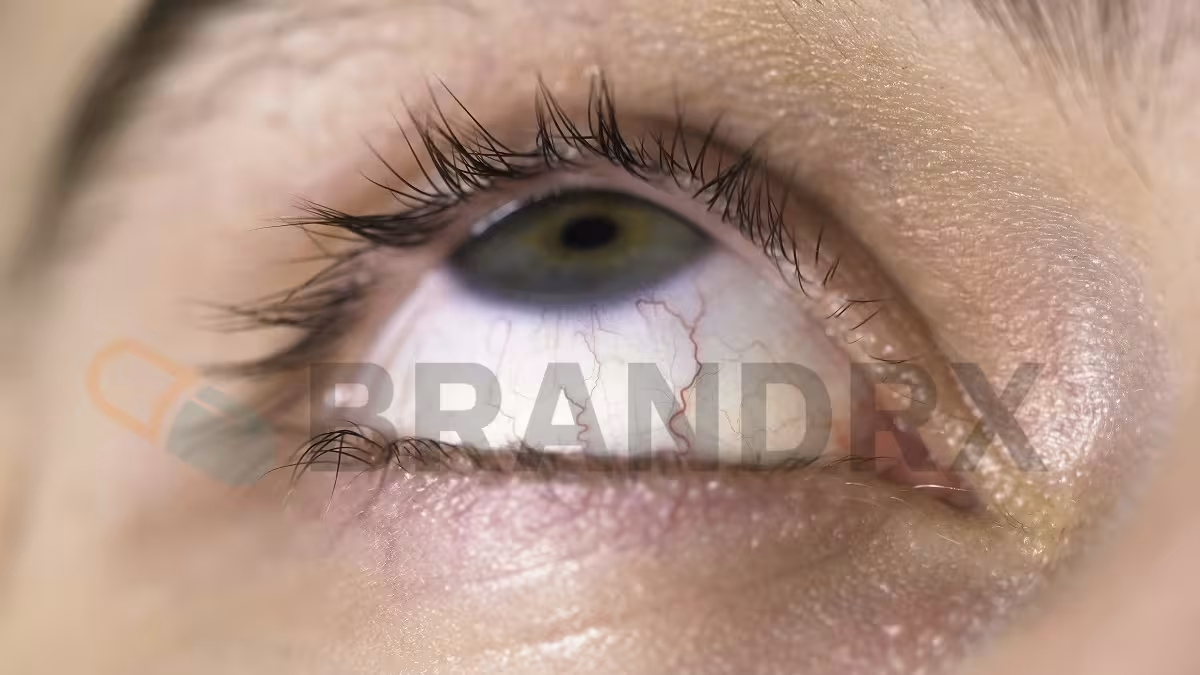
The process by which the body produces new blood vessels is called neovascularization. It may occur in multiple parts of the body, such as the eye (including the retina and cornea). In such cases, the condition is called neovascularization of the eye, and it may cause new vessels to leak and cause loss of vision.
In other words, the medical term “neovascularization” is used when new blood vessels appear in places where they should not form. These new blood vessels may also cause new fibrous tissue to form. In general, this disorder causes inflammation and scarring of the eye and may cause vision loss. Mostly, people develop neovascularization of the eye after an injury or disease. Check below the parts of the eye that are affected by these new blood vessels:
- Choroid – This layer of tissue in the eye is located between the sclera and retina, and it is filled with blood vessels.
- Retina – It is a part of the eye that converts light into electrical signals that are sent to the brain.
- Macula – This part of the eye is located in the center of the retina, and it is responsible for processing images that you see.
- Iris – The colored part of the eye that contains the pupil (a dark circle in the eye) is called the iris.
- Cornea – This is a clear “window” in front of the eye.
- Conjunctiva – A protective layer of the eye is called the conjunctiva.
What is Choroidal Neovascularization?
In such cases, there are growing new blood vessels in the choroid. This type of condition is called choroidal neovascularization (CNV), and it often occurs in people who have age-related macular degeneration (AMD). Healthcare professionals think it occurs due to high levels of vascular endothelial growth factor (VEGF) produced by the retina in people with AMD.
Symptoms
The symptoms depend on the type of the condition and its severity. Check below some symptoms of neovascularization:
- Distorted images, wavy images, or an empty or dark spot in the central vision (choroidal neovascularization)
- Eye pain or redness (corneal vascularization)
- Photophobia (increased sensitivity to light), watery eyes, or inability to wear contact lenses for longer than several hours (corneal vascularization)
- Blurred vision
- Metamorphopsia (straight lines that appear wavy)
If you experience any of the previous symptoms, immediately contact your healthcare professional for a diagnosis and treatment.
Causes
In general, there are multiple things that may cause neovascularization of the eye. Check some causes below according to the type of the disease:
Choroidal and Macular Neovascularization
- A type of fungal infection called ocular histoplasmosis
- Eye injury
- Extreme nearsightedness
- Macular degeneration
- Uveitis (this is a group of disorders that cause inflammation, pain, and red eyes)
- Angioid streaks (these are cracks in one of the retina’s layers)
Corneal Neovascularization
- Eye trauma (including chemical burns)
- Allergies
- Hypoxia (reduced oxygen levels in the blood)
- Rejection of a corneal graft
- Infectious keratitis
- Inflammatory and immune system conditions
- Congenital (present at birth) disorders
Retinal Neovascularization
- Retinopathy (including diabetes-related retinopathy, sickle cell retinopathy, and retinopathy of prematurity)
- Reduced blood flow in the carotid arteries
- Retinal vein occlusion (blockages in the retinal vein)
- Retinitis
Neovascularization of the Iris
- Central retinal vein occlusion
- Uveitis
- Retinal detachment (when it occurs, the retina pulls away from the supportive tissue)
- Ocular ischemic syndrome
What is the Difference between Neovascularization and Angiogenesis?
While angiogenesis is a medical term that refers to blood vessels that form from previously existing blood vessels, vasculogenesis refers to blood vessels starting from cells. However, neovascularization combines both pathways of forming new blood vessels.
What Happens if Neovascularization of The Eye is Left Untreated?
People with this condition may also experience some complications, especially if they ignore the symptoms and do not get treatment. Check some examples below:
- Permanent vision loss (also known as blindness)
- Macular edema (fluid buildup in the macula)
- Vitreous hemorrhage
- Fibrous scar tissue formation
- Tractional retinal detachment
- Bleeding
- Corneal decompensation
- Ectropion uvea
The previous list does not contain a complete list of neovascularization of the eye complications. In any case, you can talk with your healthcare professional about ways to reduce the risk or even prevent these complications.
How to Prevent Neovascularization of the Eye?
Physicians may recommend some tips that can protect your eyes. Check some of them below:
- Avoid touching your eyes before washing your hands with soap and warm water
- Follow instructions on using and cleaning contact lenses (you should not also wear them longer than you are supposed to)
- Consult with your physician about foods or supplements that may help keep the eyes healthy. One example is AREDS 2, which may help relieve symptoms in people with early stages of AMD and reduce the progression of the disease.
- Adopt a healthy lifestyle, including dietary changes, regular physical exercise, smoking cessation, limiting alcoholic drinks, and others.
Diagnosis
Usually, healthcare professionals perform the following tests to diagnose neovascularization of the eye. For example:
- A dilated slit lamp eye examination
- Optical coherence tomography
- Fluorescein or Indocyanine green angiography
Treatment
Usually, physicians prescribe different treatments for people with neovascularization of the eye because they depend on the type, cause, and severity of the condition, overall health, age, and preferences. Check below some medicines used to treat this condition:
- Brolucizumab
- Aflibercept
- Ranibizumab
- Gene therapy
- MMP inhibitors (such as Doxycycline)
- Bevacizumab
Sometimes, doctors may recommend additional treatments to relieve moderate to severe symptoms and manage complications. These include:
- Laser ablation therapy – This treatment involves specific lasers that treat the vessels.
- Photodynamic therapy – During this therapy, doctors combine light and medicines to destroy abnormal tissue.
- Cauterization – It uses heat to destroy abnormal blood vessels.
In some cases, you may experience some adverse reactions from these treatments. For example, steroids and anti-VEGF medications may cause acne, mild hirsutism, facial erythema, impaired wound healing, perioral dermatitis, and others. Never take these medications without your doctor’s approval.
Frequently Asked Questions
When should I see a healthcare provider?
It is recommended to see a doctor if you notice any vision changes (including eye pain, loss of vision, and others). Contact your physicians if you have eye conditions (such as conjunctivitis or glaucoma) because they may also cause loss of vision if left untreated.
What is corneal neovascularization?
This type of condition refers to new blood vessel growth in the cornea (a part of the eye that does not have blood vessels in normal circumstances). These blood vessels may cause changes in the cornea that affect its transparency of the cornea.
What is neovascularization of the iris?
A health condition in which new blood vessels grow in the iris is called neovascularization of the iris. Sometimes, it is called rubeosis iridis. In most cases, it is related to glaucoma (neovascular glaucoma) that causes damage to the optic nerve. Ask your healthcare provider if you have additional questions.