
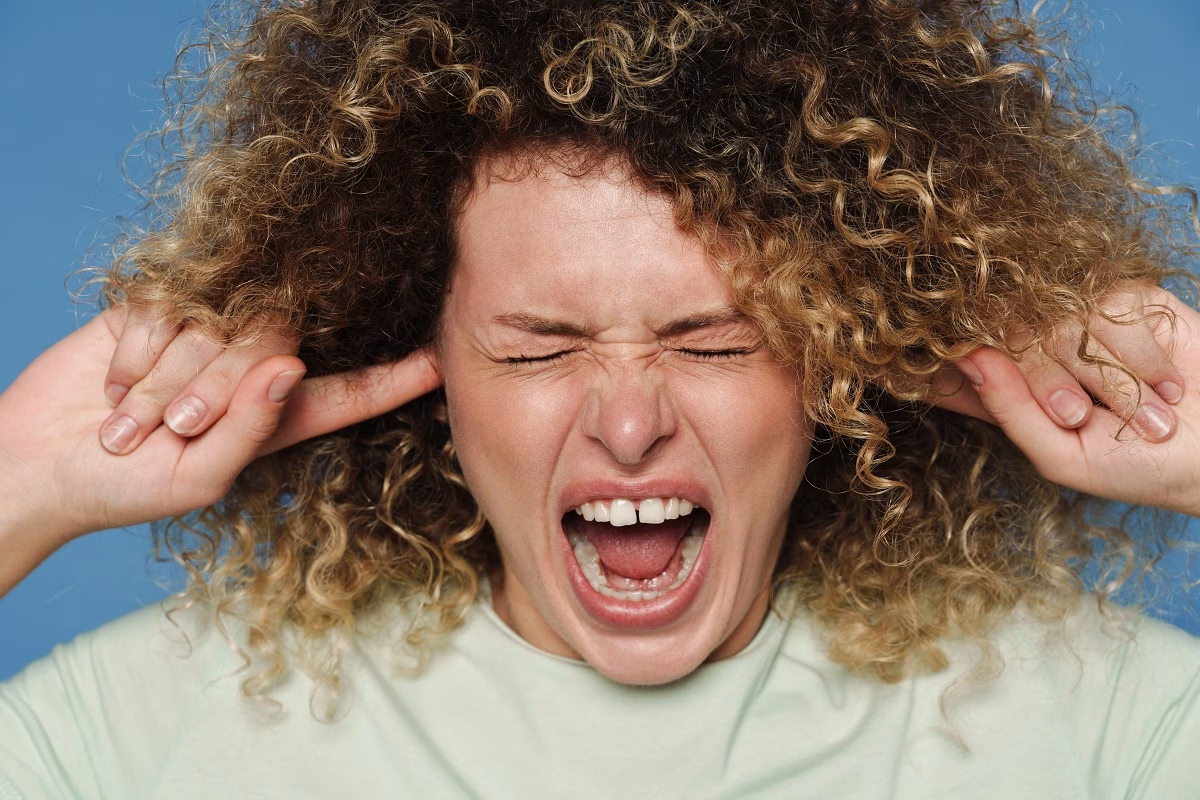
A health condition in which people have reduced tolerance to specific sounds and things is called misophonia. Nowadays, this condition does not have official recognition as a distinct disorder, but healthcare professionals still recognize it.
In other words, this disorder causes you to react differently to certain sounds. It may lead to anger, anxiety, or disgust, and these feelings often are extremely strong and hard to control. If it occurs, it indicates misophonia, which causes decreased tolerance to specific sounds and things.
Moreover, this condition affects people differently. For example, a person may have one or multiple triggers. They may also have different reactions to these sounds. In more advanced cases, people cannot control their emotions and responses.
Certain studies have shown that misophonia affects about 1 in 5 people at least once during their lifetime.
Symptoms
The symptoms of misophonia are different reactions to trigger sounds. Usually, they are:
- Emotional – This type of reaction can be intense or overwhelming, and many of them escalate quickly. It means irritation or annoyance may turn fast into anger or even rage.
- Body – These reactions are often self-protective. Most of them are very similar to what happens to you in a dangerous situation.
- Behavioral – These are specific actions that occur in response to specific sounds and things. In most cases, they are impulsive- or instinct-driven. It means most people cannot control them.
Emotional Reactions
These include:
- Disgust
- Anxiety
- Anger
- Irritation
- Fear
Body Reactions
For example:
- Increased blood pressure
- Chest tightness or pressure
- Goosebumps (also known as gooseflesh)
- Fast heart rate
- Sweating
Behavioral Reactions
- Avoidance – Some people may avoid situations where trigger sounds may occur.
- Leaving the area where trigger sounds happen
- Vocal or verbal reactions (including talking, yelling at who or what made the sound)
- Violent or non-violent actions to stop the sound
Furthermore, the severity of the misophonia symptom may also vary. In most cases, when the symptoms are milder, you may have only emotional and physical reactions. People who experience moderate to severe symptoms may also have a behavioral reaction. Rarely, the symptoms can be so severe that they cause reactions that you do not have time to think about before. In this case, people often regret what they did afterward.
What Are The Most Common Trigger Sounds?
While any sound may trigger the symptoms of misophonia, some sounds are more likely to be triggers. For instance, sounds on TV, the radio, or other electronic devices may trigger this condition. Check some examples below:
- Eating or drinking noises – For example, smacking lips, chewing (especially with the mouth open) food or gum, crunching sounds, slurping, and others.
- Breathing noises – These include snoring, sniffling, or nose blowing.
- Activity and movement noises – Some examples include tapping fingers or toes, clicking a pen, loud typing, eating utensil sounds, and others.
- Mouth and throat noises – For example, throat clearing, coughing, or loud kissing.
- Others – These include ticking (watch or clock), plumbing (toilet flushing or water dripping), ringing (bell or phone), animal sounds, and rustling (paper or plastic).
Causes and Risk Factors
While experts do not fully understand what exactly causes misophonia, they suspect it occurs due to a combination of factors. For example, brain structure differences, other health conditions, and family history or genetics.
Brain Structure Differences
Some studies suggest that people with misophonia are more likely to have certain differences in their brain activity and structure. One of them is multiple connections and activity in and between some parts of the brain. In other words, structural differences may affect the parts of the brain responsible for processing sounds and managing emotions. Moreover, emotions and hearing are also a part of the brain’s built-in self-protection system.
In addition, this condition is much like turning a radio left at maximum volume. Thus, it causes sudden, intense noise, which causes different reactions (including bodily, behavioral, and emotional).
Family History or Genetic Factors
While there is no evidence that can confirm misophonia runs in families, some experts believe that there is at least one genetic mutation in people with this condition. In any case, more research is needed to determine whether it is true.
Other Health Conditions
The following diseases may make you more prone to misophonia. Examples include neurodivergence, mental disorders, and hearing-related diseases or symptoms. Check some of them below:
Neurodivergent and Brain Disorders
Mental Disorders
These include:
- MDD (major depressive disorder)
- OCD (obsessive-compulsive disorder)
- PTSD (post-traumatic stress disorder)
- BPD (borderline personality disorder)
Hearing-related Disorders or Symptoms
- Hyperacusis
- Tinnitus (ringing in the ears)
- Hearing loss (deafness)
While misophonia is more common in people with OCD traits, it does not meet enough criteria for a formal OCD diagnosis. Moreover, about 24% of people with OCD traits also develop misophonia. In addition, this condition often occurs randomly. That’s why there is no way to reduce the risk or prevent it.
Diagnosis
Nowadays, the American Psychiatric Association does not recognize misphonia in the fifth and more recent edition of the Diagnostic and Statistical Manual of Mental Disorders (also known as DSM-5). In any case, in 2022, an expert committee created a consensus definition for research, diagnosis, and treatment purposes. Thus, doctors often diagnose this condition by asking you about your symptoms and feelings. In any case, it is not the same as a formal diagnosis.

Treatment
There are no specific treatments for this disorder. However, doctors have observed some similarities between misophonia and other disorders, including OCD and PTSD. It means people may take medicines used to manage these conditions to relieve the symptoms of misophonia. One of the most common treatments used in people with OCD and PTSD is psychotherapy (also known as talk therapy). While it cannot cure the condition, you may notice improvements. It also helps:
- Find and avoid your triggers
- Develop coping strategies and techniques to avoid severe reactions
- Reduce your sensitivity to existing triggers
- Find ways to reduce or prevent trigger sound exposure
Doctors may also recommend the following options to reduce the symptoms. These include:
- Noise generator sounds (especially, white, pink, or brown noise sounds)
- Earplugs or noise-canceling headphones, or earbuds
Frequently Asked Questions
How long does misophonia last?
According to available research, this is a chronic (long-term) condition that often is present for the rest of your life. However, more research is needed to confirm this.
When should I go to the ER?
Immediately go to the nearest emergency room or call 911 if you or a loved one has suicidal thoughts.
Is misophonia a type of anxiety disorder?
While there are some similarities between anxiety and misophonia, these are distinct disorders. If you have additional questions, ask your healthcare provider.