

A common disorder among females that causes long-lasting bleeding (more than 7 days) and also involves bleeding more than is typical during menstruation is called menorrhagia (heavy menstrual bleeding). Usually, the following things indicate menorrhagia. For example:
- Menstruation lasts more than 7 days in a row
- Heavy bleeding that causes you to change your pad or tampon every hour
- Need to wear multiple pads at the same time to prevent blood leakage
- Pad changes in the middle of the night
- Pass blood clots several times per day
- Inability to perform daily activities
In most cases, people do not enjoy getting their menstrual period, but for people with menorrhagia, this period is more miserable. Moreover, heavy menstrual bleeding may also cause emotional distress and make it hard to go to work or school. However, it is recommended to visit a doctor if you think you have symptoms of menorrhagia.
In general, this condition is common, and it affects from 27% to 54% of women.
Symptoms
Usually, people with menorrhagia experience the following signs and symptoms. Examples include:
- Passing blood clots
- Blood color changes (sometimes, it may appear red, pink, brown, or even rust-like)
- Bleeding through one or more tampons or pads for several hours consecutively
- Need to change the pad or tampon during sleep
- Severe blood loss that may lead to anemia (low red blood cell count)
- Abdominal pain or severe period cramps
- Tiredness, weakness, or dyspnea (shortness of breath) that are often caused by anemia
If you notice any of the previous symptoms, it may indicate menorrhagia. Do not hesitate to see a doctor for a diagnosis and treatment.
Causes
In general, there are multiple causes of menorrhagia, such as hormonal problems, other health conditions, or certain medications. Check some of them below:
Hormonal Imbalances
This is a common cause of menorrhagia because hormonal imbalances often occur when the menstrual period starts and ends. However, hormonal problems may also occur due to the following conditions. For example:
- Anovulation
- Thyroid disorders
- PCOS (polycystic ovary syndrome)
- Obesity – Excessive body weight may affect the body’s hormone production, which may lead to heavy menstrual bleeding.
- Infections – These include sexually transmitted infections (STIs), such as chlamydia, gonorrhea, trichomoniasis, or a chronic (long-term) endometritis.
In addition, some females may experience menorrhagia due to benign (noncancerous) growths that cause the cells in the uterus to not grow properly. As a result, it leads to menorrhagia. These include adenomyosis, fibroids, and polyps.
Other Health Conditions
Typically, menorrhagia can be a symptom of multiple diseases (including bleeding disorders and non-bleeding disorders). Check some common conditions that may cause menorrhagia:
- PID (pelvic inflammatory disease)
- Kidney or liver disease
- Von Willebrand disease
- Leukemia
- Platelet disorders (including thrombocytopenia, thrombocytosis, Bernard-Soulier syndrome, and others)
Sometimes, menorrhagia can be a symptom of a precancerous condition (endometrial hyperplasia). However, cervical and uterine cancer may also contribute to heavy menstrual bleeding.
Medicines
The following medicines may also cause heavy menstrual bleeding. For example:
- Birth control implant
- IUDs (intrauterine devices)
- Tamoxifen
- Hormone replacement therapy
- Anticoagulants (blood thinners)
- Aspirin
- Oral and injectable birth control
Those who forget to remove contraceptive devices may experience abnormal uterine bleeding (also known as menometrorrhagia). While it occurs rarely, menorrhagia may be a warning sign during pregnancy. It may indicate miscarriage, C-section niche, or ectopic pregnancy.
Risk Factors
There are some factors that may put you at an increased risk of developing menorrhagia. Check some examples below:
- Perimenopause
- Hormonal imbalances
- Obesity
- Age – The risk of developing menorrhagia is higher in adolescent girls (first 1-2 years of menstruation)
- Bleeding disorders
- Structural uterine issues
What Happens if Menorrhagia is Left Untreated?
Those who ignore the symptoms and do not treat this condition may experience some complications. Check some of them below:
- Iron deficiency anemia – This is one of the most common complications of menorrhagia, and it often occurs due to excessive blood loss. Moreover, you may also experience the following symptoms. Examples include weakness, dizziness, and extreme tiredness (fatigue).
- Severe or chronic (long-term) pelvic pain
- Fertility problems – Sometimes, women may have problems with fertility due to endometriosis, fibroids, or polyps.
- Reduced quality of life
- Dysmenorrhea
The previous list does not contain a complete list of complications. In any case, you can talk with your physician about measures that will help reduce the risk or prevent the previous complications.
Diagnosis
Like the diagnosis of multiple health conditions, the diagnosis of menorrhagia starts with a physical and pelvic examination to check for irregularities linked to the condition. Physicians may also ask some questions about your symptoms and medical history to gather more information about your disease. However, to confirm or rule out this condition, they will perform the following tests and procedures. Check some of them below:
- Blood tests – These tests are often done to check for anemia, clotting problems, and thyroid disease.
- Transvaginal ultrasound – This is an imaging test used to check the appearance of the organs and tissue in the pelvic area.
- MRI (magnetic resonance imaging) scan – This is another imaging test used to get detailed images of the structures and organs in the pelvic region.
- Pap smear – This is a specific test that helps identify changes that indicate cancer.
- Cervical culture – It is used to identify infections.
- Endometrial biopsy – During this procedure, doctors will remove a small sample of the uterine tissue for testing.
Treatment
Doctors usually prescribe different treatments for people with menorrhagia. It often depends on the severity of the condition, existing health problems, age, and preferences. In any case, menorrhagia is treated with medicines and certain procedures. Examples include:
Medicines
- Iron supplements to prevent iron deficiency anemia
- NSAIDs (nonsteroidal anti-inflammatory drugs) – Doctors may recommend Aspirin or Ibuprofen to relieve cramps and reduce bleeding.
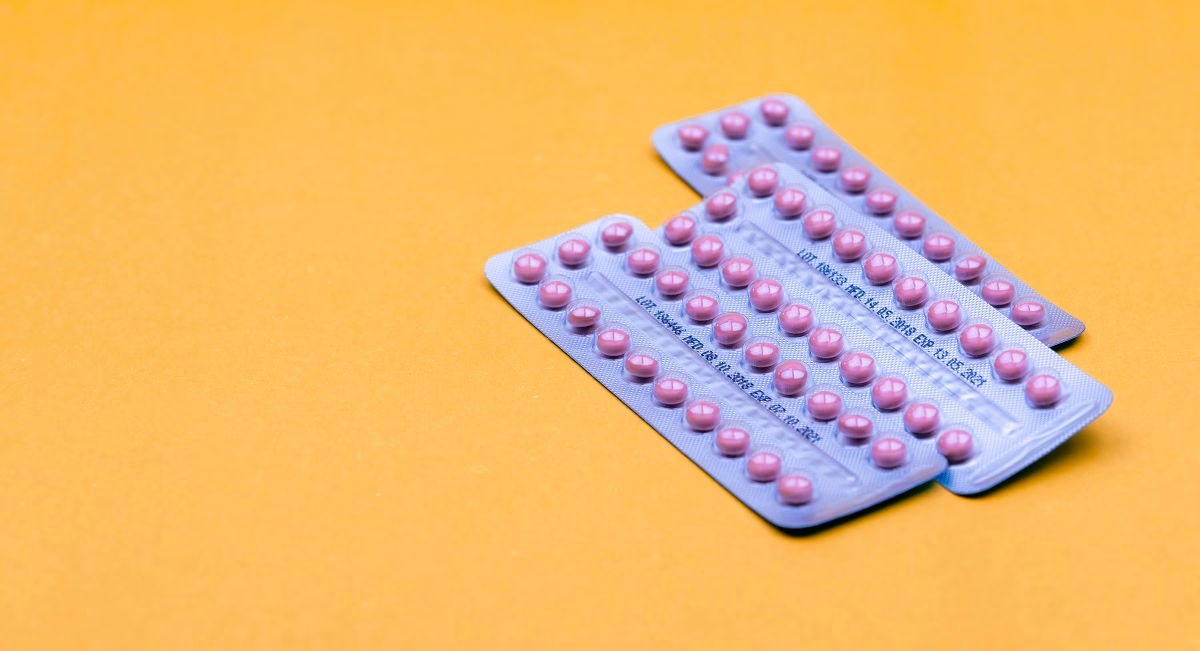
- Birth control pills, vaginal rings, patches, or IUDs – These options often help women with menorrhagia to ease the symptoms and reduce blood flow.
- HRT (hormone replacement therapy) – It is used to balance the amount of Estrogen and Progesterone in the body. Commonly, HRT is associated with perimenopause, but it carries some risks that you can discuss with your doctor.
- GnRH (gonadotropin-releasing hormone) agonists and antagonists – These medications may help reduce or even stop bleeding.
- Demopressin nasal spray – Sometimes, doctors may recommend this medicine to help the blood clotting process.
- Antifibrinolytic medications – Usually, physicians prescribe tranexamic acid to prevent clots from breaking down and causing excessive bleeding.
Procedures
Most of the time, doctors recommend the following procedures when the previous medicines do not work. Check some options below:
- Myomectomy – During this procedure, surgeons will remove fibroids from your uterus.
- Hysteroscopy – This procedure can be used to diagnose and treat menorrhagia. It involves a small and flexible tube with a lighted camera on the end that allows your doctor to see inside the uterus.
- D&C (dilation and curettage) – While this treatment is not an option for everyone who develops menorrhagia, it may help improve the symptoms in some people. During this procedure, doctors will remove the outermost layer of the uterus lining. Therefore, this sample is sent to the laboratory for testing.
- UAE (uterine artery embolization) – This treatment reduces blood flow to all or a part of the uterus lining, which helps reduce bleeding.
- Hysterectomy – This option is rarely recommended by doctors because it involves the removal of the uterus completely. However, a person who needs a hysterectomy will lose the ability to become pregnant.
Frequently Asked Questions
Does menorrhagia ever go away?
Sometimes, people do not need treatment, and this condition disappears on its own. However, if you notice symptoms that resemble menorrhagia, you should visit a doctor for a diagnosis. Heavy menstrual bleeding may be a symptom of endometrial cancer.
Should I go to the ER for menorrhagia?
While most of the time, this condition is not dangerous, losing too much blood may cause anemia (low red blood cell count) and other serious complications. If you experience fatigue (extreme tiredness), excessive bleeding, weakness, or dizziness, immediately call 911 or go to the nearest emergency room (ER).
What is the main cause of menorrhagia?
Most people who menstruate develop menorrhagia due to hormonal imbalances. However, certain uterine problems may also cause this condition. These include fibroids, polyps, adenomyosis, pregnancy complications, bleeding disorders, and others. If you have any other questions, ask your healthcare provider.