
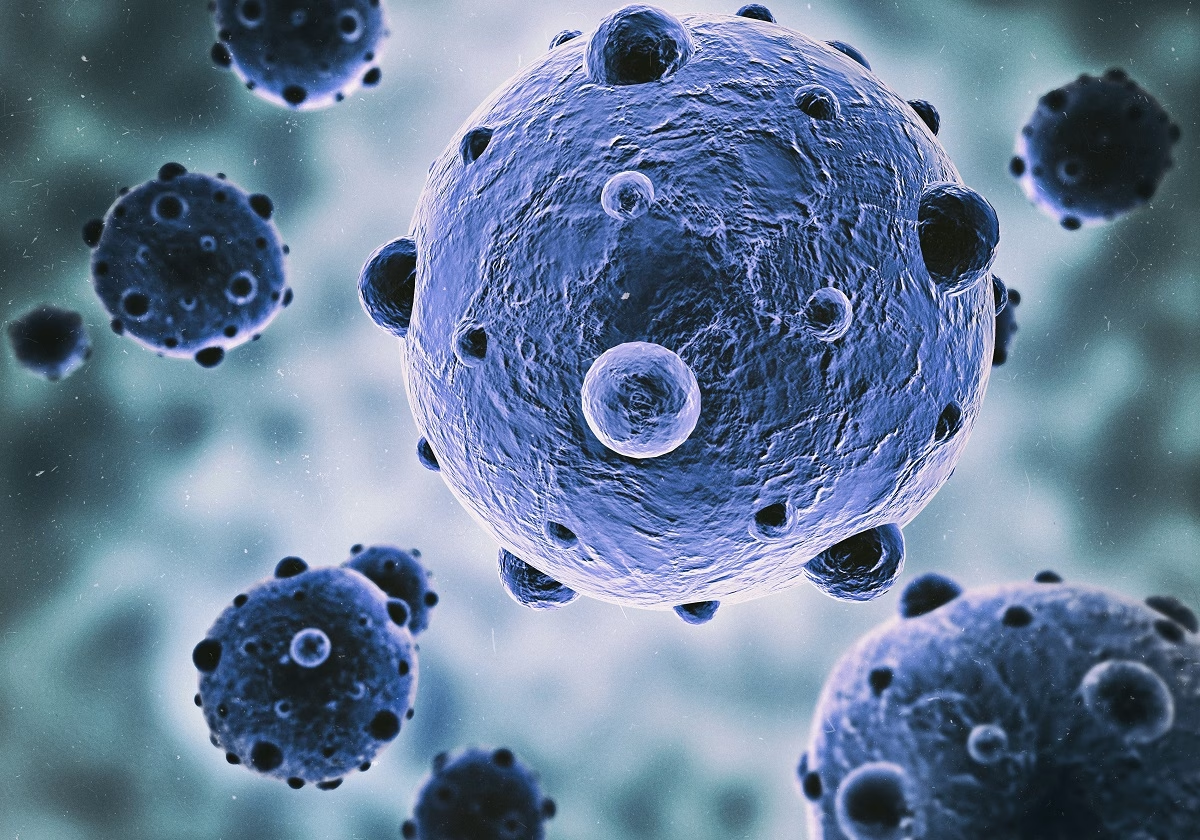
A rare but serious bacterial infection in the blood that is caused by Neisseria meningitidis (N. meningitidis) is called meningococcemia. It also causes severe symptoms that may worsen quickly, including muscle pain, cold hands and feet, lethargy, chills, fever, rash, and others. Moreover, it is considered a medical emergency that requires immediate treatment. Otherwise, it may lead to death.
In other words, meningococcemia occurs when N. meningitidis enters the bloodstream and destroys blood vessels. As a result, the body tissues receive less oxygen, which causes the following symptoms. For example, cold hands and feet, severe muscle pain, and others. Sometimes, this condition is called meningococcal septicemia. In some cases, blood that leaks from affected blood vessels may cause rash-like spots under the skin. The only way to prevent life-threatening complications and improve the chances of recovery is early diagnosis and treatment.
Generally, this infection is rare, and it affects fewer than 400 people per year in the U.S.
What is The Difference between Meningitis and Meningococcemia?
While both conditions are types of meningococcal disease, there are some differences between them. For instance, meningitis occurs when the bacterium affects the brain, but meningococcemia occurs if the bacterium enters the bloodstream and destroys blood vessels. Sometimes, people may develop these conditions at the same time. Additionally, there are some types of viruses, fungi, and other bacteria that may also cause meningitis.
Symptoms
In most cases, the symptoms of meningococcemia are severe and may worsen quickly (within a few hours). Most people who develop this infection describe the symptoms as the worst they have ever felt. Check some symptoms below:
- Severe muscle pain (usually in the legs)
- Lethargy (extreme lack of energy)
- Cold hands and feet
- Fast breathing
- Abdominal (belly) pain
- Tremors
- Skin changes (such as paleness or discolored patches)
- Flat or discolored areas that look similar to a skin rash – This symptom often starts with small, red spots in places where there is pressure on the skin (petechiae).
If any of the previous symptoms occur, immediately contact your healthcare provider. Otherwise, it may lead to death or permanent damage.
Causes and Risk Factors
This condition is caused by a bacterium called N. meningitidis. Most of the time, people breathe it in, and it goes through the lungs to the bloodstream (meningococcemia) or the brain (meningitis). When it enters the bloodstream, it begins to destroy blood vessels, preventing body tissues from getting enough oxygen.
This is a contagious bacterium that easily spreads from one person to another. For instance, people may get it through kissing or sharing food, drinks, or eating utensils. In some cases, people become infected when living or traveling to areas where the infection is common.
Moreover, the risk of developing meningococcemia in the following people. For example:
- Infants and teenagers
- College students or young adults who live in group settings
- People who live or travel in some parts of sub-Saharan Africa
- Those who administer complement inhibitor medicines to treat other health conditions
- People with weakened immune systems (such as due to HIV infection, cancer, immunosuppressants, and others)
- Those who have a spleen injury or are without a spleen
What Are The Potential Complications of Meningococcemia?
People who develop this life-threatening bacterial infection may also experience some complications, especially if they do not get immediate treatment. Check some of them below:
- Septic shock – This is a serious complication in which a sudden drop in blood pressure occurs. It is a medical emergency that requires immediate treatment. Otherwise, it may lead to organ failure.
- Purpura fulminans – This is a fast and extreme skin necrosis and tissue death.
- Disseminated intravascular coagulation (DIC) – This is a condition that causes severe bleeding and clotting disorders.
- Gangrene and amputation – Tissue death frequently requires the removal of fingers, toes, or limbs.
- Waterhouse-Friderichsen syndrome – This condition causes adrenal gland hemorrhage and acute adrenal insufficiency.
- Cardiovascular problems – These include myocarditis (inflammation of the heart muscle) and pericarditis.
- Neurological damage – For example, seizures, cerebral venous sinus thrombosis, hydrocephalus, and others.
- Musculoskeletal problems – People with meningococcemia may develop arthritis.
- Psychological impact – About 30% of survivors may experience anxiety, depression, or PTSD.
- Chronic pain
- Deafness (permanent hearing loss)
- Intellectual disability
Consult with your doctor about ways to reduce the risk of developing the previous complications.
How to Prevent Meningococcemia?
One of the best ways to prevent this bacterial infection is vaccination. In general, there are 2 types of vaccines, including meningococcal conjugate/MenACWY and MenB. According to the Centers for Disease Control and Prevention (CDC), you can choose one of the following vaccines. For example:
- MenACWy for all 11 and 12-year-old kids with a booster shot at 16 years old.
- MenACWY for young kids and adults with an increased risk for serogroup A, C, W, or Y meningococcal disease.
- MenB is used in people with a higher risk for serogroup B meningococcal disease.
If you were in close contact with an infected person, you should see a doctor for antibiotics. It often helps reduce the risk of developing meningococcal disease.
Diagnosis
Doctors often diagnose this condition by testing your blood or cerebrospinal fluid (CSF). Sometimes, they may give you IV antibiotics before diagnosing the condition if they suspect it. It is very important to get immediate treatment if you have this condition. However, your doctor may also perform a lumbar puncture and blood culture to confirm or rule out meningococcemia.

Treatment
While the primary treatment for people with meningococcemia is antibiotics (usually, Ceftriaxone, Penicillin, or Cefotaxime) that are given intravenously, doctors may also recommend other treatments. For example:
- IV (intravenous) fluids or medicines to increase blood pressure
- Surgery to remove dead tissue
- A ventilator to give you additional oxygen
Frequently Asked Questions
When should I go to the ER?
If you or your child experiences symptoms that resemble meningococcal disease, immediately call 911 or go to the nearest emergency room (ER). Without immediate treatment, this condition may lead to death within a few hours.
Can meningococcemia be cured?
Yes, it is often cured with intravenous antibiotics. However, some people may experience chronic (long-term) complications, which require lifelong management. For more details, discuss it with your doctor.
What is the mortality rate for meningococcemia?
In general, the mortality rate for people who get antibiotics is about 10% to 15%. Without treatment, this condition is often fatal within hours. If you have any other questions, ask your healthcare provider.