
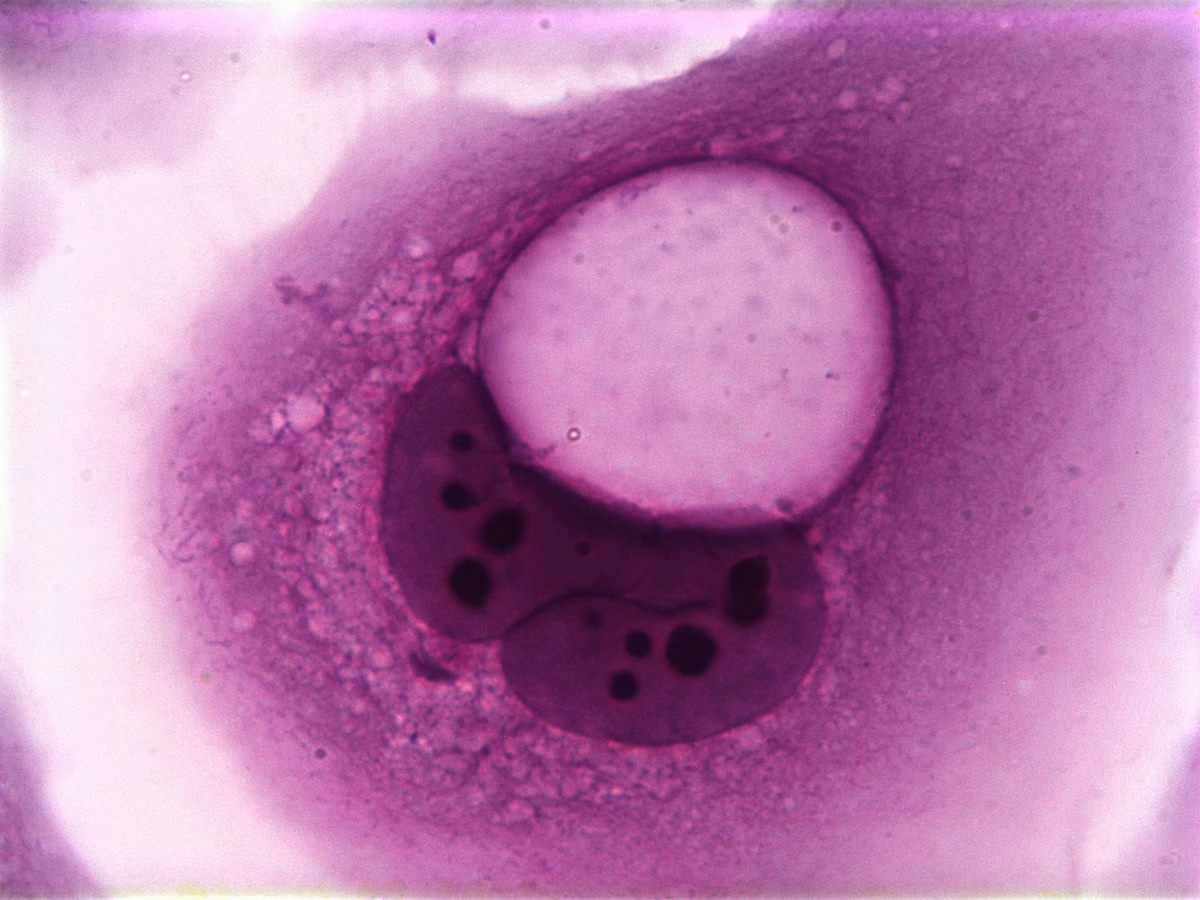
An aggressive and rate tumor that negatively affects babies and young children is called a rhabdoid tumor. It often affects the child’s kidneys (rhabdoid tumor of the kidney), soft tissues, and other organs (malignant rhabdoid tumors), or the central nervous system (atypical teratoid rhabdoid tumors). In general, this type of cancer often spreads quickly, and it is quite difficult to treat.
The name of these tumors comes from how rhabdomyoblasts look under a microscope. However, rhabdomyoblasts are specific cells that develop into the muscles.
Types of Rhabdoid Tumors
Rhabdoid tumors that often grow in the child’s soft tissues or other organs are known as Extracranial or extrarenal malignant rhabdoid tumors. For instance, if the tumor develops in the child’s kidney, it is called a rhabdoid tumor of the kidney (RTK). However, rhabdoid tumors may develop in different structures and organs in the body. For example, liver, lungs, skin, and others. Generally, previous tumors are called malignant (cancerous) rhabdoid tumors (MRT).
Another type of rhabdoid tumors that negatively affects the child’s central nervous system is called atypical teratoid rhabdoid tumors (ATRT). It often occurs when cancerous cells develop in the brain or spinal cord. Furthermore, about 50% of all ATRT affect a part of the brain known as the cerebellum or the brainstem. While the cerebellum helps control movements, balance, and posture, the brainstem controls heart rate, breathing, some nerves, and muscles.
However, malignant rhabdoid tumors occur very rarely. According to some studies, this type of cancer affects less than 1 in 1 million people.
Symptoms
The symptoms in people with rhabdoid tumors are often different because they depend on the size and exact location of the tumor. For instance, when the tumor grows large enough to put pressure on nearby structures (such as nerves), you may experience nerve paralysis, breathing difficulties, or a lump in the abdominal area. Check below for other symptoms:
- Fever
- Headaches
- Hematuria (bloody urine)
- Nausea
- Vomiting
- Swollen lymph nodes
- Irritability
- Appetite changes
- Unusual sleepiness
- Increased head size (that usually occurs in infants)
- Walking problems
- Loss of balance
Immediately contact your healthcare professional if any of the previous symptoms occur in your child.
Causes
These tumors often develop due to a genetic mutation (change) in the SMARCB1 gene. Generally, this gene is a tumor suppressor gene that produces a protein to control cell growth. When a mutation occurs, it leads to abnormal growth of the cells, causing rhabdoid tumors.
While some children are born with this mutated gene that is inherited from one of their biological parents, most people diagnosed with rhabdoid tumors do not have a family history of this type of cancer. Therefore, it results from new genetic mutations that occur randomly.
In addition, this type of cancer primarily affects babies and young children, especially between 11 and 18 months of age. However, rhabdoid tumors rarely affect adults.
How to Prevent Rhabdoid Tumors?
Unfortunately, there is no way to prevent these tumors because they are caused by genetic mutations. However, you can make some genetic tests to make sure you do not have these abnormal genes before pregnancy. It is very important to understand the risks of having children with rhabdoid tumors.
Diagnosis
Commonly, the diagnosis begins with a physical examination to check for abnormalities linked to the disease and questions about the symptoms and family history. However, to confirm this type of cancer and rule out other disorders that cause similar symptoms, your doctor may perform the following tests and procedures. These include:
- Ultrasound – This test uses high-energy sound waves to make echoes that bounce off the child’s internal organs and tissues.
- CT (computed tomography) scan – This test is used to get cross-sectional images of different structures in the body (such as soft tissues, bones, and others).
- MRI (magnetic resonance imaging) – This is another imaging test that uses a magnet and radio waves to produce detailed images of the structures inside the child’s body (including the brain and spinal cord).
- Neurological examination – During this procedure, doctors will examine the brain, spinal cord, and nerve function to get more clues about the disease.
- Lumbar puncture (also called spinal tap) – This test involves getting a small sample of the cerebrospinal fluid (CSF) for testing.
In some cases, rhabdoid tumors look very similar to other tumors on previous scans. When it is not clear, doctors may perform the following tests to confirm the condition. For example:
- Genetic tests – These tests involve a blood sample to check for the mutations in the SMARCB1 and SMARCa4 genes.
- Biopsy – During this test, doctors often use a needle to get a sample of the tumor for testing. Thereafter, the pathologists will look for cancerous cells in that sample under a microscope.
- Immunohistochemistry – This test uses antibodies to check for some markers (antigens) in a tissue sample. Thereafter, the pathologists will perform a biopsy to check whether it is a rhabdoid tumor or another one.

Treatment
Usually, doctors recommend different treatments for people with rhabdoid tumors. It depends on the size and location of the tumor, existing health problems, age, and preferences. Furthermore, if the tumor was not removed during a biopsy, usually the first treatment is surgery to remove it. During this procedure, surgeons will remove as much of the tumor as possible. Check below some additional treatments after surgery used to destroy cancerous cells that may remain:
- Chemotherapy – This treatment involves strong medicines to destroy cancerous cells throughout the body. However, this treatment can cause some adverse reactions (such as hair loss).
- High-dose chemotherapy with stem cell transplant – While this treatment can destroy more cancerous cells, it also kills healthy cells, such as blood-forming cells in the bone marrow. That’s why some of the child’s bone marrow is collected and stored before this treatment. Usually, after treatment, doctors replace destroyed blood-forming cells with stored ones.
- Radiation therapy – Healthcare professionals may also recommend this treatment, which uses powerful energy beams to kill cancerous cells. It is usually recommended in severe cases only because it may affect the child’s growth and the development of the brain.
- Clinical trials – They usually include new types of chemotherapy, targeted therapy, and immunotherapy medicines.
Furthermore, previous treatments may cause adverse reactions. Usually, most negative effects disappear after stopping chemotherapy. Check below some side effects:
- Loss of appetite
- Alopecia (hair loss)
- Diarrhea
- Constipation
- Nausea
- Vomiting
- Throat or mouth sores
- Edema
- Sleeping problems (insomnia)
- Fatigue (extreme tiredness)
Frequently Asked Questions
Is a rhabdoid tumor curable?
Generally, this type of cancer cannot be cured. Most children with a malignant rhabdoid tumor do not live longer than several years, but if the diagnosis occurs after 2 years old, the prognosis can be better.
What is the survival rate for a rhabdoid tumor?
The rates of rhabdoid tumors are low, ranging from 20% to 50% for ATRT and around 23% to 35% for malignant rhabdoid renal tumors. For more details, discuss it with your doctor.
How do you treat a rhabdoid tumor?
While the primary treatment is surgery to remove the tumor, doctors may also prescribe additional treatments to shrink a large tumor or destroy cancerous cells that may remain even after surgery. These include chemotherapy and radiation therapy. Ask your healthcare provider if you have additional questions.