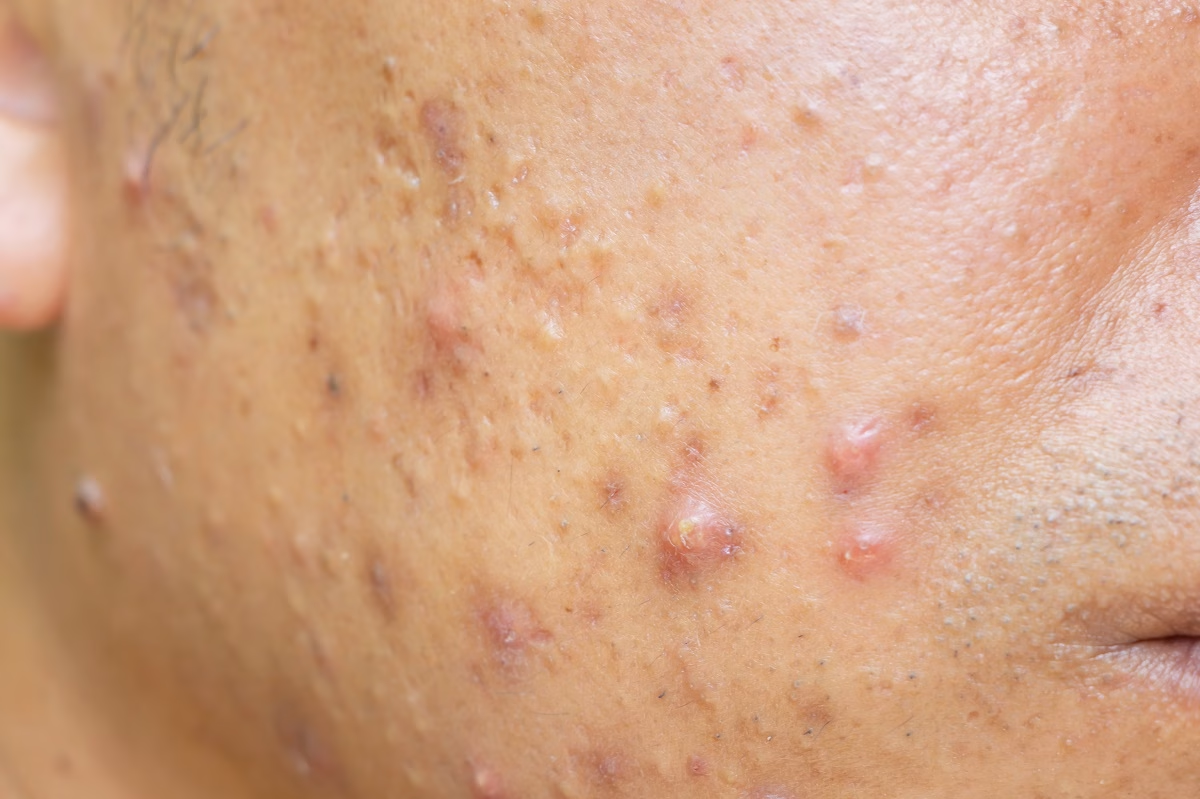
A skin disorder caused by clogged or inflamed oil glands or an increased presence of pimple-causing bacteria on the skin is called pimples. These pimples can also be caused by other skin disorders, such as acne. In general, there are several types of pimples, including blackheads, whiteheads, cysts, and others. Usually, doctors recommend home remedies, over-the-counter (OTC) medicines, and prescription gels and creams to treat this skin condition.
In other words, pimples are specific small growths on the skin’s surface, and they can become inflamed or discolored. Moreover, people with acne often develop these specific growths on the face, chest, shoulders, and upper back. However, they can appear on other sides of the body as well. In addition, some people may mistake acne for pimples. You should know that pimples are a symptom of acne.
Generally, this disorder occurs very commonly. Some healthcare providers suggest that pimples affect nearly all people at some point in their lives. However, in most cases, pimples affect adolescents, but adults can also develop this condition.
How Do Pimples Affect My Body?
In most cases, people develop pimples on the face (especially the nose, chin, and forehead, and sometimes the cheeks or around the lips), neck, back, chest, and upper arms. However, the oil glands are throughout the body, and they release an oily lubricant called sebum that primarily helps maintain the hair and skin hydrated. Thus, pimples can sometimes appear on the eyelids (styes), butt, ears, scalp, armpits (axilla), and external genitals (penis or labia).
While this skin disorder does not affect physical health, it can cause psychosocial and psychological problems (such as low self-esteem). It is less common, but it can be associated with anxiety, depression, mood disorders, and suicidal thoughts (rarely).
Symptoms
In general, there are multiple types of pimples, and usually the symptoms depend on which type you develop. Check below some examples:
- Papules – These are small bumps that may become inflamed, and they are warm to the touch and painful.
- Blackheads – These types of pimples are open pores on the skin that contain excessive oil and dead skin cells. Usually, they look like there is a speck of dirt or a dark spot in the bump.
- Whiteheads – In such cases, pimples occur when bumps remain closed by oil and dead skin. Usually, they appear white or yellowish.
- Nodules – These are round and unusually shaped pimples that sometimes can be deep in the skin and frequently are painful.
- Pustules – In such cases, people can notice pus-filled pimples that look similar to whiteheads. Generally, it is not recommended to scratch or pick them because they can leave scars.
- Cysts – These types of pimples are often filled with a thick, yellow or white fluid that consists of dead white blood cells, tissue, and bacteria. These can also cause scars.
Causes
In some cases, the skin can get irritated by things that come in direct contact with it. It causes the pimples to develop. A lot of people think of acne when they talk about pimples. However, sebaceous glands (oil glands) are localized on the whole body, which means these pimples can develop anywhere. In general, pimples appear when these oil glands are clogged or inflamed. Commonly, sebaceous glands become inflamed or clogged as a result of:
- Increased sebum – This is an oily material made by the oil glands.
- Keratin is not forming properly – This is a specific protein used to make your hair, skin, and nails.
- Increased bacterial presence on the skin
Furthermore, pimples are not contagious, which means you cannot spread them to another person even through direct contact.
Risk Factors
While this condition mostly affects adolescents and young adults due to hormonal changes, it can also affect babies and adults into their 20s, 30s, and beyond. It is less common, but some people may develop pimples for the first time during adulthood.
How to Prevent Pimples?
Typically, it is challenging to prevent pimples, if not impossible. However, the following tips may help reduce the risk. Examples include:
- Regularly wash your face with warm water and mild facial cleansers
- Use moisturizers for the face and make sure they do not contain perfumes and are non-comedogenic
- If you are using makeup, you should remove it at the end of the day
- Frequently wash the hair (including the hairline along the forehead)
- Do not let hair gels and other products get on your face
- Avoid touching the skin on the face with your hands
Diagnosis
Usually, you can easily recognize pimples, and you do not need to visit a doctor. However, doctors diagnose pimples during a skin examination. They may also ask some questions about your family history and whether you are under significant stress. In women, healthcare professionals may ask about menstrual cycles as pimple breakouts are often related. Furthermore, if you experience sudden severe pimple outbreaks, especially after 50 years old, it may indicate an underlying health condition that needs medical attention.
It is also recommended to visit a dermatologist (healthcare specialists trained in treating skin, hair, and nail disorders) if you have severe pimples.
Treatment
In most cases, pimples go away with OTC medicines. Check below some examples:
- Azelaic acid – This is a natural acid found in multiple grains (such as barley, wheat, and rye). It helps destroy microorganisms that cause the skin to become swollen.
- Benzoyl peroxide – This substance is available as a non-prescription product, and it helps reduce irritation of the skin. However, one of the most common adverse reactions of this OTC medicine is dry skin.
- Retinoids – This medication is often recommended by doctors to prevent clogged pores.
- Salicylic acid – It is a cleanser lotion used to dissolve dead skin cells and prevent hair follicles from clogging.
When previous over-the-counter options do not work, your doctor may recommend the following therapies. Examples include:
- Chemical peels – This procedure uses a mild chemical solution to remove layers of skin and pimples.
- Laser skin resurfacing – During this treatment, doctors will deliver short, concentrated, and pulsating beams of light at the pimples. It helps reduce the amount of oil your sebaceous glands produce.
- Microdermabrasion – Doctors use a special tool to “sand” your skin. Thus, it removes the top layers of the skin and frees clogs that cause pimples.
If, after any of the previous treatments, the symptoms worsen, do not hesitate to visit a doctor.
Home Remedies
Your healthcare professional may recommend some home remedies along with previous treatments. For example:
- Tea tree oil – This oil is used to prevent or stop the growth of bacteria.
- Sugar or salt scrubs – They are used to exfoliate (scratch away) dead skin cells on the skin’s surface.
- Green tea – It is used to help reduce oil production by the sebaceous glands. Moreover, this type of tea is also an antioxidant.
- Warm compress – This option helps increase blood flow to the pimples, which helps them heal faster.
- Ice – Putting ice on the pimples can help reduce inflammation and pain.
Frequently Asked Questions
How long do pimples last?
Most people get rid of pimples between 3 and 7 days. Furthermore, most of them go away on their own without treatment, but if you develop deep pimples, they often go away within several weeks. Do not hesitate to visit a doctor if you develop large or painful pimples, especially if they appear suddenly.
What causes pimples?
Usually, most pimples appear when hair follicles become clogged with excessive oil (sebum), dead skin cells, and bacteria. These blockages are often caused by hormonal changes (such as during puberty, pregnancy, or menstruation), genetics, stress, and some medicines.
Why are pimples painful?
Pimples can be painful when inflammation occurs in the blocked hair follicles, as the immune system responds to trapped dead skin cells, oil, and bacteria. Therefore, it may lead to redness, swelling, and tenderness. Ask your healthcare provider if you have additional questions.