
Multiple health conditions that cause a problem with the peripheral nerves, muscles, or communication between them form a group of disorders called neuromuscular disorders. In general, there are hundreds of these conditions, and the most common symptom of them is muscle weakness. Sometimes, people with these conditions may also experience muscle atrophy (loss), changes in their senses (such as numbness and tingling).
Types of Neuromuscular Disorders
This group of conditions is also divided into several subgroups based on the area of dysfunction. Moreover, a neuromuscular disorder indicates any disorder that negatively affects the structure and function of the neuromuscular system, including the following:
- Anterior horn cells
- Nerve roots (including dorsal root ganglia)
- Plexuses (such as the brachial plexus and lumbosacral plexus)
- Peripheral nerves
- Neuromuscular junction
- Muscle fibers
Anterior Horn Cell Disorders
This type of neuromuscular disorder is usually progressive and degenerative (that worsen over time). It affects the motor neurons, which are specific cells in the brain and spinal cord that allow you to perform all movements (such as walking, speaking, and breathing).
However, anterior horn cells are located in the gray matter of the spinal cord. They are vital for the movement of the skeletal muscles. Anything that affects their function may lead to symptoms. Check some examples of anterior horn cell diseases below:
- Amyotrophic lateral sclerosis (ALS or Lou Gehrig’s disease)
- Spinal muscular atrophy
- Spinal-bulbar muscular atrophy (SBMA) or Kennedy’s disease
- Polio
Plexus Disorders
This type of neuromuscular disorder is also known as plexopathies. The nerves located at different spinal levels may intermingle to form a complex network (plexus). The plexus located in the upper limbs is called the brachial plexus. However, the plexus located in the lower limbs is known as the lumbar or lumbosacral plexus. Furthermore, these nerves are vulnerable to injuries, including trauma, compression, or even inflammation. When it occurs, you may experience numbness and tingling, weakness in the affected part of the body (upper or lower limbs), and pain.
Nerve Root Disorders
These nerves are specific short branches located in the spinal nerves. They exit the spinal cord along the length of the spine between the vertebrae. Moreover, each spinal nerve contains its own motor nerve and sensory nerve roots. Thus, motor nerve roots contain nerve fibers that carry signals between the brain and spinal cord through the peripheral nerves to the muscles.
When something puts pressure on the nerve roots, you may experience the following symptoms. For example, numbness and tingling in different areas of the body (radiculopathy), muscle weakness, and others. In general, physicians have divided radiculopathy based on where the pinched nerve is located along the spine. For example:
- Cervical radiculopathy (neck)
- Thoracic radiculopathy (the middle to upper back)
- Lumbar or lumbosacral radiculopathy (low back)
Peripheral Nerve Disorders
In most cases, doctors use an umbrella term to describe peripheral nerve disorders. It is known as peripheral neuropathy, and it means nerve conditions that impact the nerves outside the brain and spinal cord. Generally, it is not possible to move the muscles without the proper function of the peripheral nerves. While peripheral neuropathies may affect only parts of the body, in some people, these conditions may affect the whole body. Mostly, these disorders negatively affect the upper or lower limbs (such as feet and hands). Check some conditions related to peripheral neuropathy below:
- Alcohol use disorder
- Diabetes
- Amyloidosis
- Malnutrition
- Autoimmune or inflammatory causes, such as chronic inflammatory demyelinating polyneuropathy (CIDP) and Guillain-Barré syndrome
- Prolonged exposure to certain toxic chemicals (such as cleaning fluids or pest killers)
Neuromuscular Junction Disorders
A connection between the end of the motor nerves and muscles is called the neuromuscular junction (NMJ). It helps communicate with the muscles, motor nerves, and releases a molecule across the synapse (acetylcholine). Anything that affects this communication may lead to neuromuscular junction disorders. Check the most common disorders that affect the NMJ below:
- Botulism
- Myasthenia gravis
- Lambert-Eaton myasthenic syndrome (LEMS)
Muscle Disorders
A group of disorders that impact the skeletal muscles is called myopathies. They attack muscle fibers and cause them to become weak. In general, there are several types of myopathies. Some of them are present at birth (congenital), but some of them appear later in life. It is important to know that myopathies do not include muscle injuries (such as muscle tears, strains, or bruises).
Muscular Dystrophy
The following conditions refer to a group of more than 30 genetic (inherited) diseases that negatively affect muscle function. Check some of them below:
- Myotonic dystrophy
- Becker muscular dystrophy (BMD)
- Oculopharyngeal muscular dystrophy (OPMD)
- Duchenne muscular dystrophy (DMD) – This is one of the most common types of muscular dystrophy.
Autoimmune and Inflammatory Myopathies
The following conditions often occur due to problems with the immune system. It begins to produce antibodies that attack healthy cells instead of bacteria, viruses, and other germs that can make you ill. Check some examples of autoimmune and inflammatory myopathies below:
- Polymyositis
- Dermatomyositis
- Immune-mediated necrotizing myopathy
Other Forms of Myopathy
These include:
- Endocrine myopathies – In such cases, muscle function problems occur due to hormonal imbalances. It may happen due to problems with the thyroid gland, parathyroid glands, or adrenal glands.
- Metabolic myopathies – This type of myopathy occurs when certain abnormal genes give different instructions to enzymes that the muscles need to work properly. For example, glycogen storage diseases and lipid storage diseases.
- Mitochondrial myopathies – This form occurs when there is a defect in the muscle mitochondria (this is an energy-producing part of cells).
- Toxic myopathies – Some people may also develop myopathy when an interaction between toxins and medicines impacts muscle function and structure (sometimes).
In rare cases, some people may develop myopathy due to electrolyte imbalances, such as hypercalcemia (high blood Calcium) or hyperkalemia (increased Potassium levels in the blood) or periodic paralysis. This is a group of inherited conditions that negatively affect the muscles.
How Common are Neuromuscular Disorders?
One of the most common types of neuromuscular disorders is peripheral neuropathy. According to some research, about 20 million people in the United States have this type of neuromuscular disorder. Furthermore, about 30,000 people in the U.S. have ALS, and about 16 to 25 people develop different types of muscular dystrophy.
Symptoms
The symptoms vary among people with neuromuscular disorders because they depend on the severity and type of the condition, age, overall health, and other factors. Check some general symptoms of neuromuscular disorders below:
- Muscle weakness, atrophy, pain, cramps or spasms, or twitches (fasciculations)
- Spasticity
- Walking problems
- Difficulties with balance and coordination
- Drooping eyelids or other facial parts
- Dysarthria (speaking problems due to tongue weakness)
- Problems with breathing and swallowing due to diaphragm muscle weakness
Sometimes, people may also experience fatigue (extreme tiredness), numbness, and paresthesia. In any case, if you experience any of the previous symptoms, immediately contact your healthcare professional.
Causes
There are multiple causes of neuromuscular disorders. While some of them are genetic, some people may develop them due to autoimmune disorders, toxin exposure, metabolic or nutritional imbalances, inflammation, injuries, and other factors. In most cases, the abnormal genes that cause neuromuscular disorders are inherited from one of the biological parents during pregnancy or a genetic mutation that occurs spontaneously (randomly). Sometimes, healthcare professionals cannot identify the exact cause of the disease (idiopathic neuromuscular disorder).
Diagnosis
The diagnosis of a neuromuscular disorder often begins with a physical examination in which doctors will check for abnormalities linked to the disease. They may also ask some questions about your family and medical history, and symptoms. However, if your doctor suspects a neuromuscular disorder, you may be referred to a neurologist for further testing. Check below some tests often performed by doctors when neuromuscular disorders are suspected:
- Electromyography (EMG) – This test is used to evaluate the health and function of the skeletal muscles and nerves that control them.
- Nerve conduction test – It helps check the function of the peripheral nerves.
- Blood tests – Doctors often perform blood tests to check for multiple things, including enzyme abnormalities, markers of autoimmune disorders, and others.
- Imaging tests – The following tests are used to produce detailed images of different structures and organs in the body. Doctors often perform MRI (magnetic resonance imaging) scans, CT (computerized tomography) scans, or neuromuscular ultrasounds.
- Muscle biopsy – During this procedure, doctors will take a small amount of affected muscle for testing.
- Genetic test – This test involves a blood sample to check for the abnormal genes that may cause neuromuscular disorders.
Treatment
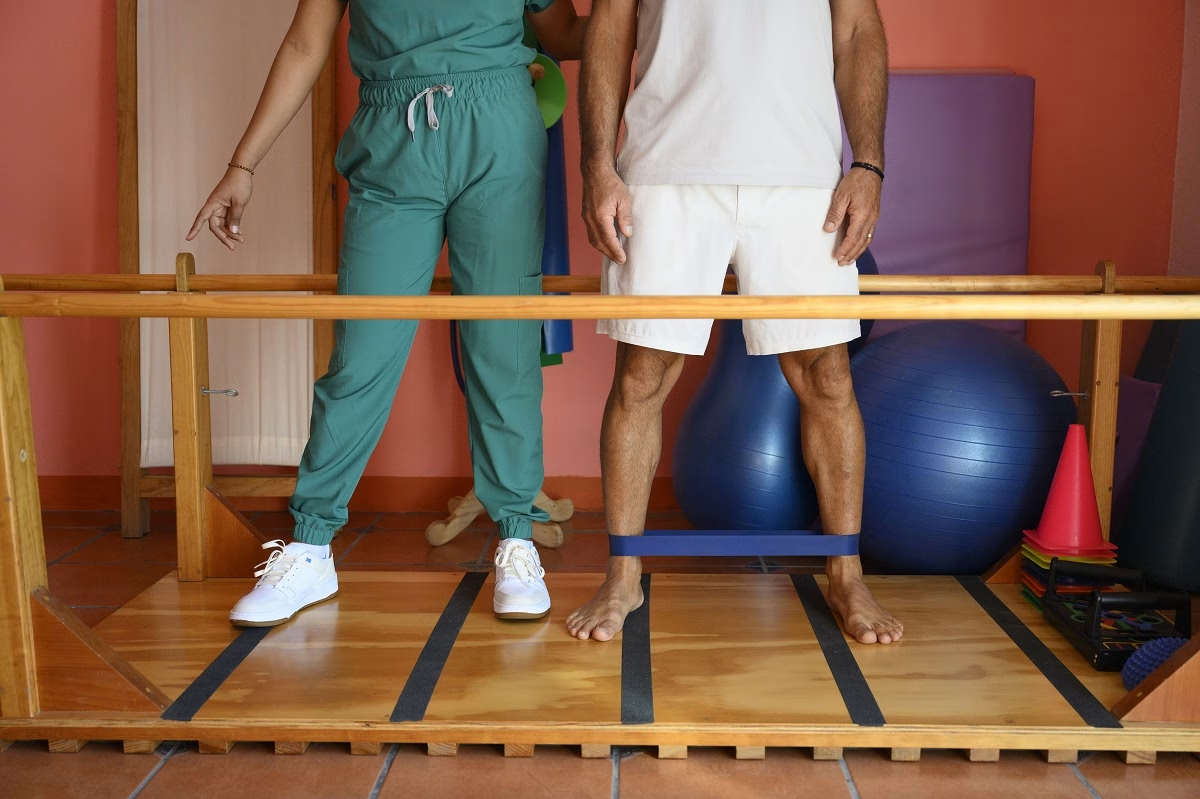
Usually, people with neuromuscular disorders need a healthcare team to treat their health problem. For example, physical and occupational therapists, rheumatologists, pathologists, orthopedists, dieticians, psychologists, and others. However, there is no way to cure these conditions, but there are some treatment options available to relieve the symptoms and improve your quality of life. Check some examples below:
- Medicines
- Physical, occupational, speech, and nutritional therapies
- Assistive devices to improve mobility
- Surgery
Frequently Asked Questions
What can I expect if I have a neuromuscular disorder?
Most neuromuscular disorders are chronic (lifelong), and they cannot be cured. That’s why the goal of the treatment is to relieve the symptoms, prevent serious complications, and improve your quality of life.
What is the difference between a neurologist and a neuromuscular doctor?
There are some differences between the healthcare providers. Neurologists are brain and nervous system doctors trained in treating headaches, epilepsy, and strokes. A neuromuscular specialist is focused specifically on nerve-muscle disorders (including muscular dystrophy, neuropathy, and ALS). They are providing advanced tests (such as EMG) to diagnose and manage complex muscle weakness.
What is the most common neuromuscular condition?
The most common form of neuromuscular disorders is peripheral neuropathy. It affects about 20 million people in the United States. However, there are other common neuromuscular disorders, including Duchenne muscular dystrophy (DMD), neuromuscular junction disorder, and others. If you have additional questions, ask your healthcare provider.