
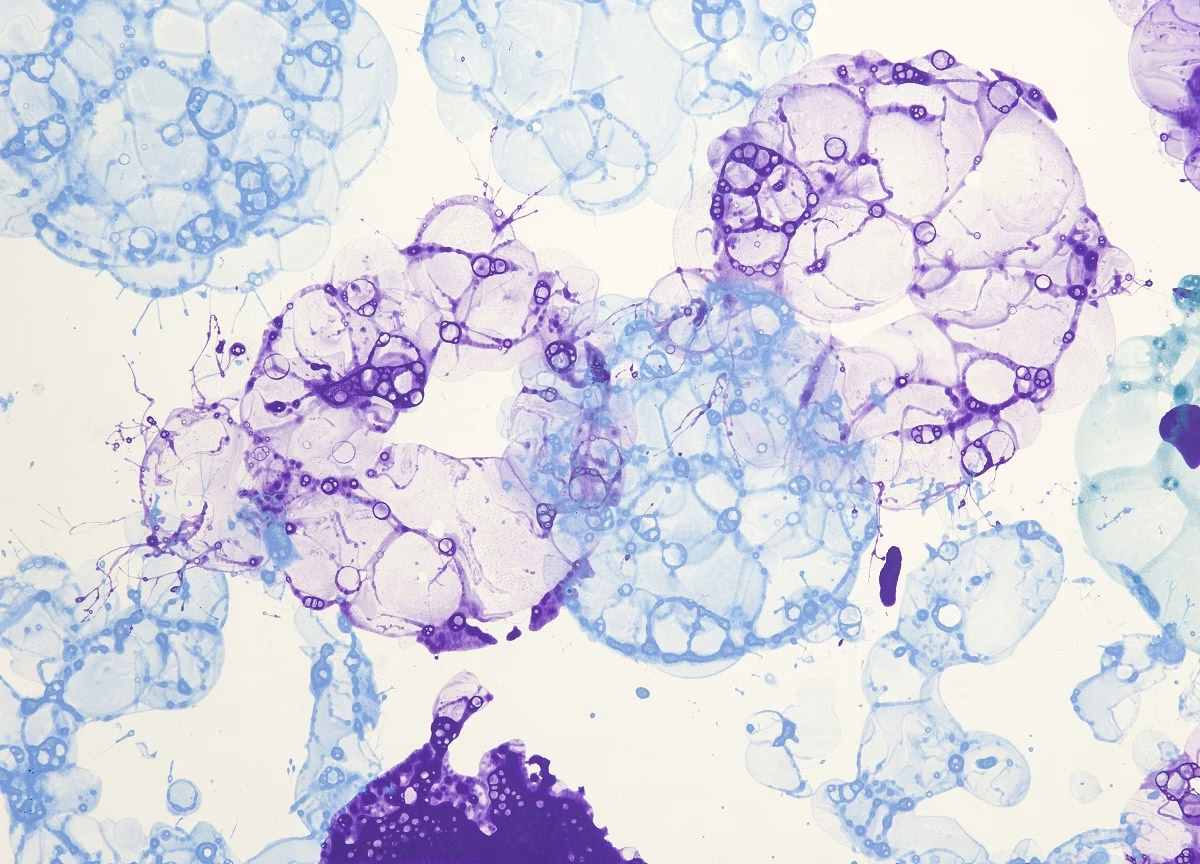
A group of slow-growing types of B-cell non-Hodgkin lymphoma is called marginal zone lymphoma (MZL). This type of cancer develops in the B lymphocytes (a type of white blood cell). In general, there are several types of MZL, but all of them begin to develop in lymphoid tissue, including the skin, lymph nodes, and spleen. Moreover, there are available options to treat these slow-growing tumors, and sometimes, to cure them.
Normally, the lymph nodes contain lymphoid follicles where each follicle has 2 zones or sections called mantle zones and marginal zones. Thus, marginal zones wrap around mantle zones, where often B cells mutate and cause tumors in people with MZL.
Types of Marginal Cell Lymphoma
Healthcare professionals have divided this condition into 3 categories. These include:
- Mucosa-assisted lymphoid tissue (MALT) lymphoma – This type of MZL is one of the most common types, and it is sometimes called extranodal marginal cell lymphoma. It often develops in the lining of the abdomen (gastric MALT), but may also appear in the lungs, skin, thyroid, salivary glands, bowels, and near the eye (non-gastric MALT).
- Nodal marginal zone lymphoma – This form of MZL negatively affects the lymph nodes, but may also appear in the bone marrow.
- Splenic marginal zone lymphoma – This type of MZL develops in the spleen, but may also affect the blood and bone marrow.
Symptoms
People who develop MZL grow slowly and are often found in advanced stages because they do not cause any symptoms. Usually, people experience different symptoms because they depend on several factors. These include the type and severity of the MZL, age, gender, and existing health problems. The most common symptoms are night sweats, unexplained weight loss, and fever, but people with this condition may also experience other symptoms.
MALT Lymphoma Symptoms
The symptoms of this type of MZL depend on where the tumor develops. However, people often experience the following symptoms. For example:
- Bloating
- Abdominal (belly) pain
- Nausea
- Vomiting
Those who develop non-gastric MALT lymphomas may also experience changes in the eye’s surface (conjunctiva) or tear (lacrimal) glands. The symptoms of people with nodal marginal zone lymphoma and splenic marginal zone lymphoma are the same, but they may also experience an enlarged spleen, unusual weight loss, night sweats, extreme tiredness (fatigue), and fever. If any of the previous symptoms occur, immediately contact your healthcare professional.
Causes and Risk Factors
Almost all diagnosed people have a family history of lymphoma, frequent infections, or autoimmune disorders. However, the following subtypes may also occur due to other causes. These include:
- MALT lymphoma may occur due to bacterial infections (such as H. pylori infections), autoimmune disorders (such as Hashimoto’s disease or Sjogren’s syndrome).
- Splenic marginal zone lymphoma is often linked with hepatitis C and certain autoimmune conditions.
- Nodal marginal zone lymphoma may also occur due to hepatitis.
However, doctors have identified some factors that may also increase the risk of developing MZL. For example:
- Environmental or occupational factors (such as a metal worker or using hair dye)
- Immune system suppression – If you have conditions that weaken your immune system or are administering immunosuppressants, your risk of developing MZL increases.
- Age – Most of the time, MZL occurs in older adults (over 60 years old).
- Gender – Women are at higher risk of developing certain types of MZL.
- Family history of MZL
Complications
People with MZL may also experience some complications, especially if the tumor is found in advanced stages or if they do not get treatment. Check some examples below:
- Transformation – One of the most serious complications of MZL. IT occurs when the tumor turns into a more aggressive lymphoma (such as diffuse large B-cell lymphoma). This complication affects about 15% of people who were diagnosed with MZL.
- Other autoimmune disorders – MZL may develop due to autoimmune disorders, but it may also cause these conditions. For example, rheumatoid arthritis, autoimmune hemolytic anemia, immune thrombocytopenia, and others.
- Splenomegaly (enlarged spleen) that often causes abdominal discomfort, eating problems, and others.
- Gastritis
- Recurrent MZL
- Treatment complications – These include bleeding, an increased risk of infections, extreme tiredness (fatigue), hypothyroidism (rarely), dry mouth, and others.
This article does not contain a full list of MZL complications. In any case, you can talk with your physician about ways to reduce the risk of developing them. Furthermore, there is no way to prevent or reduce the risk of developing MZL.
Diagnosis
Physicians often begin diagnosing this condition with a physical examination to check for irregularities associated with MZL. They may also ask some questions about your symptoms and family history to get more information about your disease. Usually, to confirm or exclude MZL, doctors perform the following tests and procedures. Examples include:
- Complete blood count (CBC)
- LDH test
- Beta-2 microglobulin (a tumor marker for blood cancers)
- Liver and kidney function tests
- Serum protein immunofixation (IFX) – This test is used to check for changes in the blood
- Blood tests to check for viral or bacterial infections
- CT (computerized tomography) scans
- Biopsy
Once you are diagnosed with MZL, doctors often perform additional imaging tests to determine the stage (extent) of the cancer. It helps make the best treatment plan for you.
Treatment
Healthcare professionals often prescribe different treatments for people with MZL because they depend on several factors. For example, the type and severity of the MZL, underlying condition, gender, age, and preferences. Check some examples below:
- Antibiotics to treat bacterial infections (such as H. pylori)
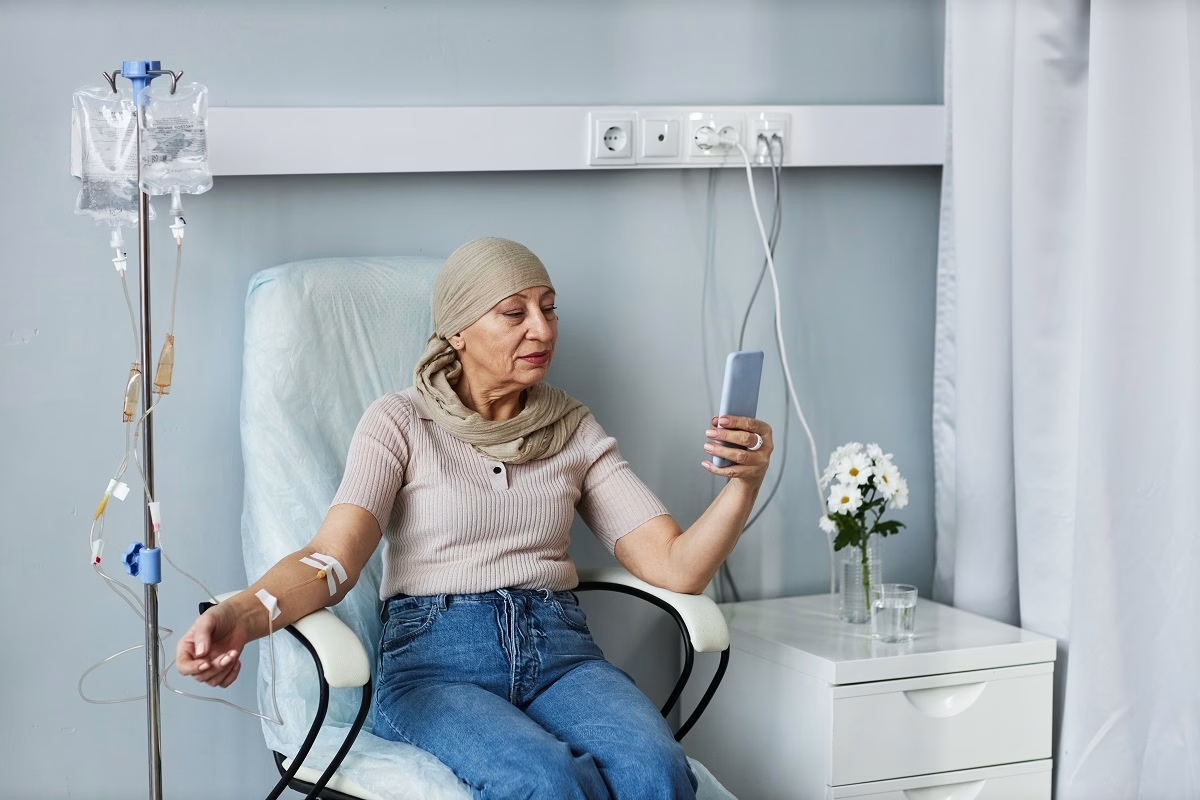
- Chemotherapy – This is a cancer treatment that involves strong medicines given intravenously (IV) to destroy cancerous cells throughout the body. Doctors may recommend it before surgery to shrink a large tumor or after surgery to destroy abnormal cells that may remain even after a successful surgery.
- Radiation therapy – This therapy uses powerful energy beams to destroy the tumor. Commonly, this energy comes from X-rays or protons, but may also come from other sources. Sometimes, doctors may recommend both chemotherapy and radiation therapy to improve the effectiveness of the treatment.
Frequently Asked Questions
How serious is marginal zone lymphoma?
Usually, this type of cancer grows slowly and does not spread to other parts of the body.
What is the life expectancy for marginal zone lymphoma?
People with an early stage of MZL have a 5-year survival rate of about 83%. In more advanced cases, the same survival rate may drop to 63%. For more details, discuss it with your doctor.
What is the best treatment for marginal zone lymphoma?
Physicians often recommend radiation therapy, chemotherapy, and/or immunotherapy to treat MZLs. If you have additional questions, ask your healthcare provider.