
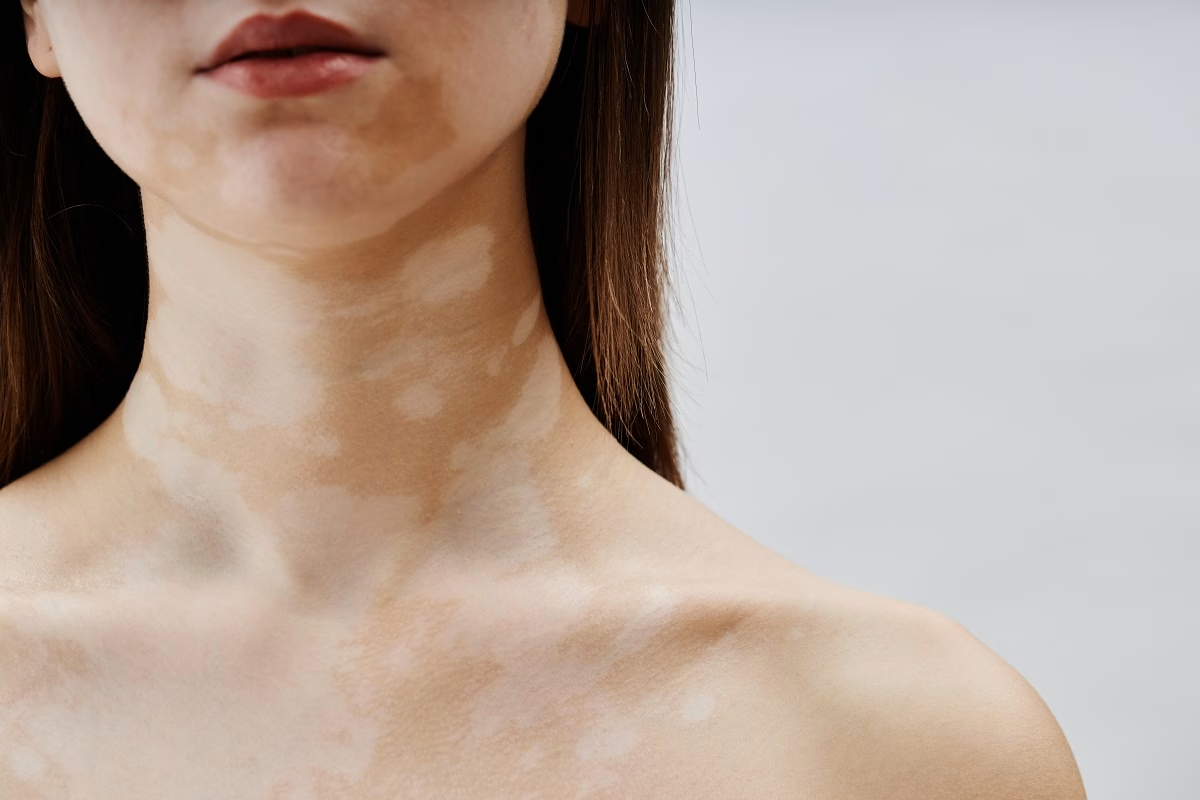
An autoimmune disorder that negatively affects the skin of the neck, shoulders, arms, back, and chest is called subacute cutaneous lupus erythematosus (SCLE). Usually, it causes red and ring-shaped sores and rashes that do not itch or scar, but may leave skin discoloration once they disappear. Unfortunately, this condition cannot be cured, but there are some treatments that may help ease the symptoms and avoid flare-ups.
In general, SCLE is a form of cutaneous lupus erythematosus (CLE), which is a type of lupus that negatively affects the skin. Approximately 50% of people with SCLE also have the most common type of lupus called systemic lupus erythematosus (SLE).
Sometimes, SCLE can be difficult to understand because it often looks different for everyone. Therefore, the symptoms may resemble other skin disorders.
Subtypes of Subacute Cutaneous Lupus
- Annular SCLE – It causes rash that consists of red, raised, and ring-shaped plaques that often spread across sun-exposed areas of the skin. This rash often causes hypopigmentation after healing.
- Papulosquamous SCLE – In such cases, rash combines bumps (papules) with scales (squamous). Usually, it looks similar to eczema or psoriasis and is mostly triggered by sunlight.
Symptoms
The primary symptom of SCLE is a rash. It often is triggered by sunlight and appears on sun-exposed areas of the body, including the neck, chest, arms, and back. Usually, this rash looks like:
- Red and ring-shaped raised lesions that often form connected circles
- Dry, bumpy, and red skin that resembles a psoriasis rash
In most cases, this rash does not itch or scar, but causes hypopigmentation after the rash disappears. Do not hesitate to see a doctor if you experience previous symptoms.
Causes and Risk Factors
Healthcare professionals do not know what exactly causes SCLE. However, they believe genetic factors as well as environmental factors (including ultraviolet radiation, medicines, tobacco use, and pesticides) could play a role. Furthermore, about 30% of people with SCLE develop the condition after using the following medications. These include:
- Anti-fungal medicines
- Anti-seizure medicines
- Proton pump inhibitors (PPIs)
- Tumor necrosis factor inhibitors
- Antihypertensives
- ACE inhibitors
- Chemotherapy drugs
This condition has a strong genetic component, which means it often runs in families. Check below some factors that could increase your risk of developing SCLE:
What Are The Potential Complications of Subacute Cutaneous Lupus?
People with SCLE may also experience some complications, especially if they do not get treatment. These include:
- Vitamin D deficiency
- Reduced quality of life
- Kidney problems (such as nephritis)
- Central nervous system problems
- Neonatal lupus (this condition can pass to the developing baby during pregnancy)
- Cutaneous vasculitis
- Cardiac and vascular disease
This document does not contain a full list of SCLE complications. In any case, you can consult with your doctor about ways to reduce the risk or prevent previous complications.
How to Prevent Subacute Cutaneous Lupus?
However, it is not possible to prevent SCLE, but you can take some steps to reduce the frequency and severity of skin rashes. For example:
- Administer vitamin D supplements
- Quit smoking – If you face problems with smoking cessation, discuss it with your healthcare professional.
- Talk with your doctor about medicines that could increase the risk of this autoimmune disorder.
There are some triggers that cause SCLE rash flares. It usually happens after exposure to UV (ultraviolet) light. Check below some measures that help to protect against UV light:
- Use a broad-spectrum sunscreen with at least SPF 50 daily
- Avoid exposure to the sun, especially between 10 a.m. and 4 p.m.
- Avoid tanning beds
- Wear sun-protective clothing, including wide-brimmed hats and long sleeves, especially when outdoors
Diagnosis
Usually, SCLE is diagnosed by a dermatologist (a doctor specialized in skin, hair, and nails) or a rheumatologist (a physician specialized in arthritis). First, doctors will perform a physical examination to check for abnormalities linked to the disease. They may also ask some questions about the symptoms and medical history. However, to confirm this condition, they usually perform the following tests. For example:
- Complete blood count (CBC)
- Sed rate (erythrocyte sedimentation rate test)
- C-reactive protein (CRP) test
- Antinuclear antibody (ANA) test
- Liver and kidney function tests
- Urinalysis (urine tests)
- Biopsy – During this test, doctors will take a small sample of affected skin for testing under a microscope. In general, this is the only test that can confirm SCLE or other skin disorders.

Treatment
The primary treatment for people with SCLE is sun protection. It is very important to make sure you apply a broad-spectrum sunscreen of SPF 50 or higher, especially when outdoors. However, doctors may also prescribe other treatments, depending on the severity of the symptoms. Check below some treatments:
- Topical steroids, including Hydrocortisone, Triamcinolone, Desoximetasone, and Clobetasol.
- Topical calcineurin inhibitors, such as Tacrolimus and Pimecrolimus.
- Oral antimalarial medicines, including Hydroxychloroquine, Chloroquine, and Quinacrine.
- Oral immunosuppressive medicines, such as Methotrexate, Mycophenolate mofetil, Azathioprine, and Thalidomide.
- Anti-inflammatory drugs, including Dapsone and Sulfasalazine
- Monoclonal antibodies, such as Immunoglobulin (IVIG), Rituximab, and Belimumab.
- Oral retinoids, including Acitretin and Isotretinoin.
Frequently Asked Questions
What is the difference between acute cutaneous and subacute lupus?
While these disorders cause similar symptoms, there are some differences between them. For instance, acute cutaneous lupus usually presents as a “butterfly rash” on the face, but SCLE causes red, scaly, or ring-shaped lesions in sun-exposed parts of the body.
What triggers cutaneous lupus?
This is an autoimmune disorder, and it often occurs when the immune system mistakenly attacks healthy skin tissue. This process happens due to a combination of genetic predisposition, environmental factors, and hormonal influences. The primary triggers of the symptoms are UV light, smoking, some infections, stress, and some medicines.
What are the symptoms of subacute cutaneous lupus?
People with SCLE often notice a non-scarring, scaly, and red rash that appears on the neck, chest, arms, and back. These lesions usually do not cause itching and scarring, but can cause hypopigmentation when they heal. Ask your healthcare provider if you have any other questions.

