
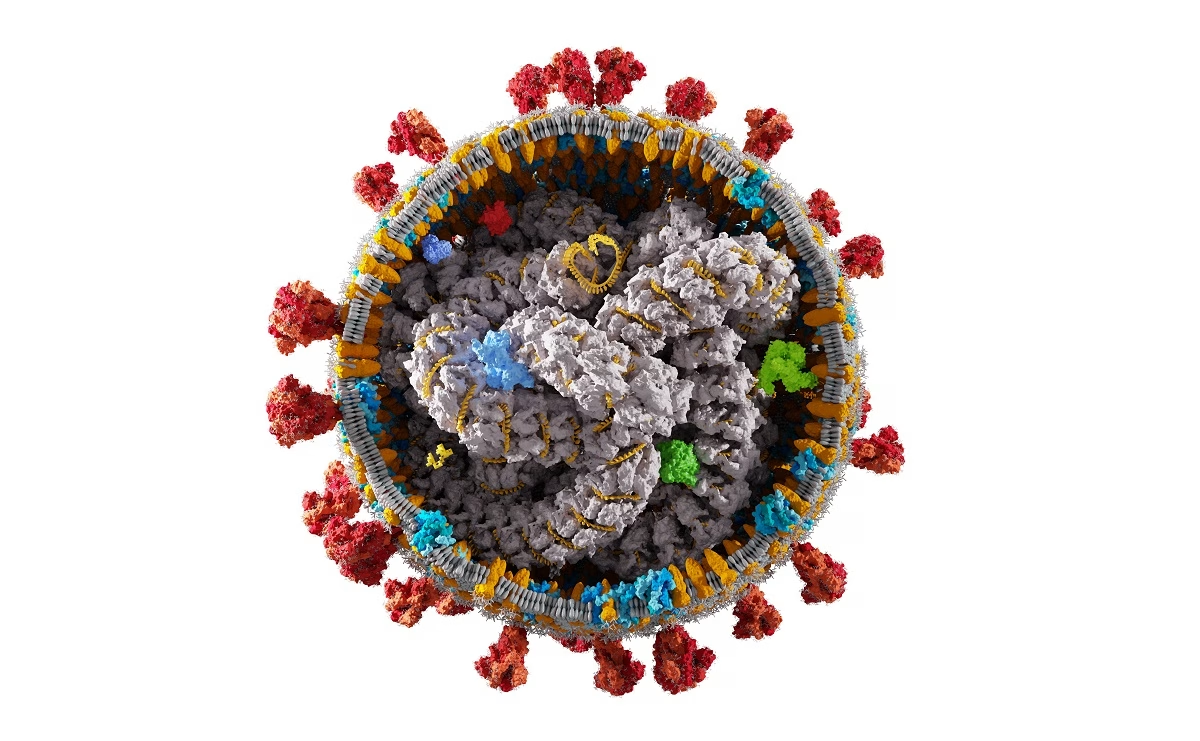
A gastrointestinal (stomach and intestines) infection that usually impacts children is called rotavirus. However, it can be prevented with rotavirus vaccines. The most common symptoms of this infection are severe diarrhea and vomiting, which can lead to dehydration. If your children have rotavirus, it is very important to keep them hydrated.
In other words, this is a contagious infection that often causes inflammation of the stomach and intestines (gastroenteritis). Commonly, children tend to get this infection during winter and spring. Moreover, it may spread to other people when they come in contact with the stool of an infected person.
If your child is diagnosed with rotavirus, it may take a few days for the symptoms to begin. In most cases, diarrhea and vomiting last up to 7 days. During this time, you should make sure your child drinks plenty of fluids to prevent dehydration. In general, there are no medications for rotavirus, and it often goes away on its own. However, some people may need to go to the hospital for IV (intravenous) fluids.
While anyone may develop this infection, children under 12 months of age are more likely to develop it. The only way to protect your children from this infection is through rotavirus vaccines (including Rotarix or RotaTeq).
How Common is Rotavirus?
This infection was very common before the vaccines became available. For instance, it was the number 1 cause of severe diarrhea in babies and young children in the U.S. It also led to 55,000 to 70,000 hospitalizations per year. Generally, rotavirus vaccines prevent 40,000 to 50,000 hospitalizations among babies in young children, according to the U.S. Centers for Disease Control and Prevention (CDC).
Symptoms
Check below for the most common symptoms that may occur in children with rotavirus:
- Severe and watery diarrhea
- Vomiting
- Fever
- Appetite changes
If your child is not properly hydrated, it may lead to dehydration and additional symptoms. Check below for some dehydration symptoms:
- Cool and dry skin
- Dizziness when standing
- Dry mouth and throat
- No tears when crying
- Lethargy
- Sunken eyes
- Reduced urination
Dehydration occurs when the body does not have enough water and salts to function properly. Moreover, babies under 12 months of age can dehydrate easily. In most cases, children with dehydration require IV fluids to rehydrate. In severe cases, this condition can cause convulsions or shock, which is life-threatening.
Causes
The virus that causes this infection can spread through hand-to-mouth contact. You can get it from direct contact with the stool of an infected child. This virus can remain in the child’s intestines up to 10 days after the symptoms have gone. In general, this infection is very contagious. People usually get infected with this virus when they change a soiled diaper of a baby with rotavirus and do not wash their hands after that. Therefore, particles of the virus can remain on the hands and enter the mouth accidentally. That’s why it is recommended to wash your hands frequently if you have a family member with this infection.
Risk Factors
While this condition mostly affects children between the ages of 3 months and 3 years (especially those who do not get the vaccine), it may also occur in adults. Commonly, adults become infected if they are over 64 years old, care for children with this virus, or have a weakened immune system.
What Happens if Rotavirus is Left Untreated?
People who develop this infection may also experience some complications. These include:
- Dehydration – This is one of the most common rotavirus complications. It is caused by frequent diarrhea and vomiting.
- Electrolyte imbalances – Generally, the loss of fluids and electrolytes occurs through diarrhea and vomiting. Therefore, it may lead to hyponatremia (low Sodium levels), hypokalemia (low Potassium levels), and metabolic acidosis (increased acidity in the blood).
- Intussusception – This is a rare complication of rotavirus that causes abdominal pain, vomiting, and bloody stools.
- Gastrointestinal bleeding – This is a severe complication of this infection. Without treatment, it may lead to anemia.
- Neurological complications – For example, seizures, encephalitis (inflammation of the brain), encephalopathy (reduced brain function), and others. However, previous complications occur quite rarely in people with rotavirus.
- Liver or kidney damage
- Multisystem organ failure
Previous complications usually occur in young children with weakened immune systems. In any case, you can consult with your doctor about ways to reduce the risk or prevent rotavirus complications.
How to Prevent Rotavirus?
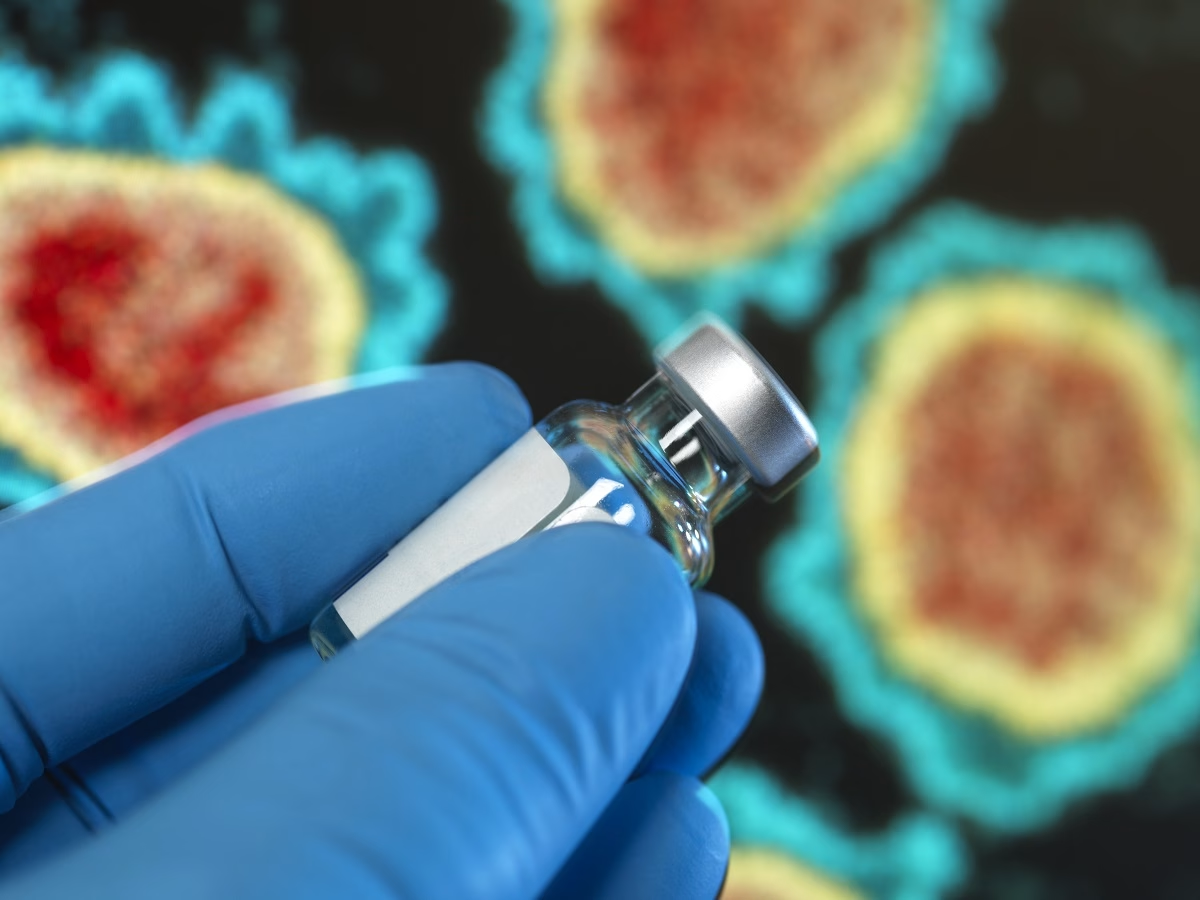
One of the best ways to prevent this infection and protect the health of your family is the rotavirus vaccine. Approximately 70% of children who get this vaccine do not develop the infection. However, if you get the vaccine and develop rotavirus, the symptoms tend to be milder.
You may wonder if vaccines for rotavirus are safe. Yes, some scientists have tested these vaccines on thousands of babies, and they are considered safe and effective. In some cases, rotavirus vaccines can cause some adverse reactions that are often temporary.
Diagnosis
Usually, the diagnosis begins with a physical examination to check the abnormalities linked to the disease. Physicians may also ask some questions about the symptoms and medical history. However, to confirm the condition, they may perform a stool test to check for rotavirus. To get a stool sample, doctors will give you a sterile container in which you collect it.
Treatment
In general, there are no specific treatments for rotavirus. It is very important to keep your child hydrated. However, this condition can be treated at home. Usually, if your child has rotavirus symptoms, doctors may recommend the following options. Examples include:
- Small and frequent feedings instead of larger ones
- Drinking plenty of water
- Use electrolyte replacement (such as Pedialyte)
- Acetaminophen to reduce the fever
- Regularly wash your hands, especially after changing a diaper
- Make sure your child gets plenty of rest
Frequently Asked Questions
Can my child get rotavirus again?
Yes, but further infections tend to be milder. You can teach your child about preventive measures that may help prevent this infection.
How long does rotavirus last?
Most children with this infection get rid of symptoms within 8 days, and they are contagious for up to 12 days because the infection often begins several days before the symptoms.
Is rotavirus contagious to adults?
Yes, this infection can spread to adults, especially those who care for an infected child. However, rotavirus often causes milder symptoms than in children, but if you have a weakened immune system or are over 65 years old, you can still develop a severe form of this infection. Ask your healthcare provider if you have any other questions.