
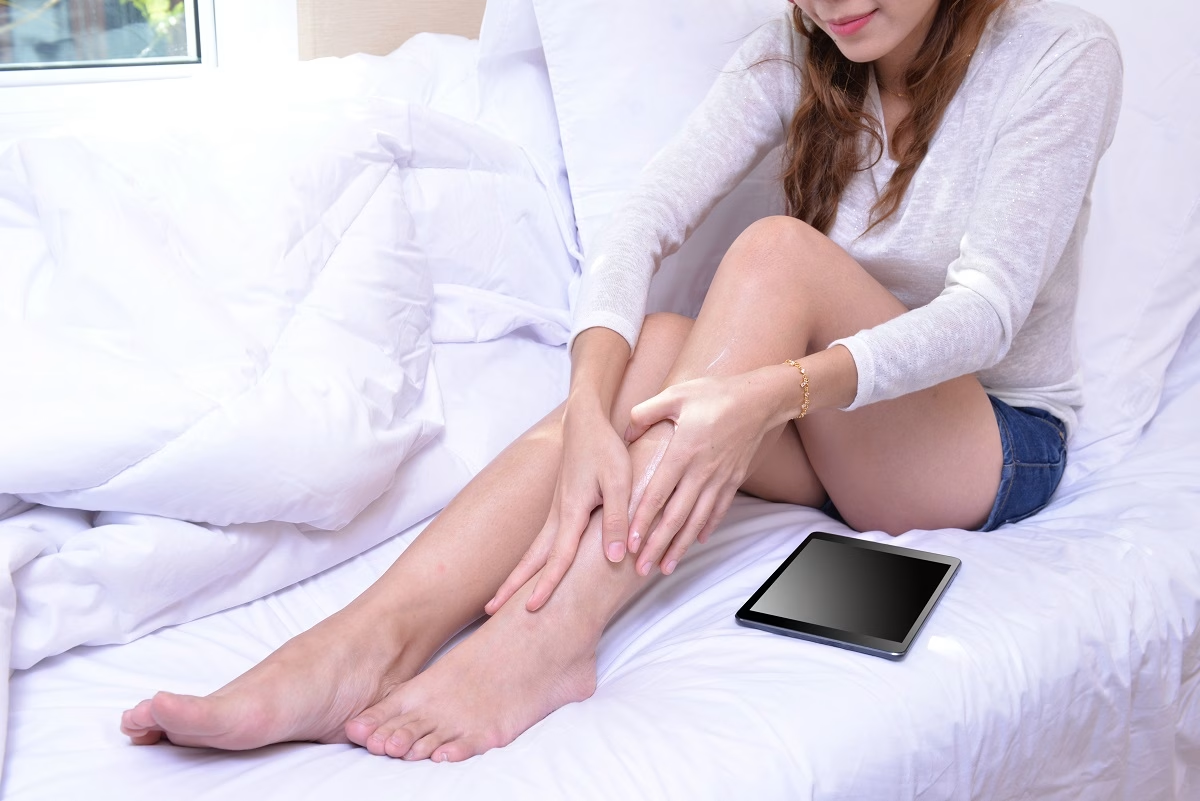
A movement disorder in which the affected person has a strong urge to move the legs while resting is called restless legs syndrome (RLS). Those who develop RLS may also experience sensations such as itching, pulling, crawling, or throbbing. Unfortunately, this disorder cannot be cured, but there are some treatments available that help ease the symptoms and improve your quality of life.
Usually, people experience symptoms when the body is resting. In some cases, this condition is called Willis-Ekbom disease.
This is a rare condition that affects about 7% to 10% of people in the United States.
Types of Restless Legs Syndrome
Healthcare professionals have divided this disorder into 2 types. For example:
- Early onset – In such cases, the condition is diagnosed before 45 years old and runs in your family history. People with early-onset RLS can notice that the condition progresses slowly.
- Late onset – People with late onset RLS often notice that the disease progresses more quickly. The diagnosis is often done after 45 years old.
Symptoms
Check below some symptoms that people with RLS often experience:
- Uncomfortable sensations in the legs that cause you to move them
- Sensations get worse when you are resting
- Temporary discomfort or relief when you move the legs
- Twitchy legs or leg jerks during sleep
However, RLS may also negatively affect your sleep. Check below some symptoms:
- Sleep disruptions (such as difficulty falling or staying asleep)
- Urge to get out of bed to stretch or move the legs
- Fatigue (extreme tiredness)
- Daytime sleepiness
- Mood or behavioral changes
- Difficulty concentrating, remembering things, or paying attention
- Mental health problems (such as anxiety, depression, and others)
If any of the previous symptoms occur, immediately contact your healthcare professional.
What does Restless Legs Syndrome Feel Like?
In general, people who develop RLS often experience the following feelings. For example:
- Burning
- Aching
- Itching
- Crawling
- Throbbing
- Pulling
- Tugging
While some people experience previous feelings on one side of the body, they can also occur on both sides.
Causes and Risk Factors
However, experts do not fully understand why RLS occurs. In normal circumstances, the basal ganglia use Dopamine to regulate how the body moves. When the brain does not get enough Dopamine, it is unable to regulate movement efficiently. Check below some factors that can contribute to RLS:
- Genetics – Some people can inherit RLS during conception from one of the biological parents.
- Iron deficiency – If you have reduced Iron levels in the blood, it may contribute to RLS.
- Underlying medical condition – There are some health conditions that may cause secondary RLS.
- Certain medicines – There are some medicines that may also contribute to RLS. For example, antihistamines, antidepressants, or anti-nausea medicines. While these medicines can cause RLS, they may also worsen existing symptoms once you are diagnosed with RLS.
In addition, this condition can also cause other diseases. For example:
- Anemia
- Diabetes
- Kidney disease
- Peripheral neuropathy
- Substance use disorder
Triggers
There are some things that can worsen the symptoms caused by RLS. Check below some triggers:
- Alcohol
- Caffeine
- Nicotine
- Certain medicines
- Stress
You should limit, avoid, or manage previous triggers to prevent worsening of the symptoms, especially before rest or sleep. Furthermore, a lack of sleep may also lead to worsening of the symptoms.
How to Prevent Restless Legs Syndrome?
Unfortunately, there is no sure way to prevent this disorder because healthcare providers do not fully understand what causes it. However, you can reduce the risk of worsening the symptoms by limiting caffeine and alcohol and managing underlying diseases. For more details, discuss it with your doctor.
Diagnosis
Usually, the diagnosis of this condition begins with a physical examination and an evaluation of your medical history. Physicians may also ask some questions about the symptoms. In general, there are no specific tests that can confirm RLS, and doctors often perform a neurological examination and certain tests (such as blood tests) to rule out other disorders that cause similar symptoms. Moreover, they may also perform a sleep study to determine whether you have sleep disorders or not.
In most cases, doctors diagnose RLS based on the following criteria. For example:
- Urge to move the legs along with uncomfortable sensations, such as pilling or aching
- Partial or total relief when stretching, walking, or exercising the affected part of the body
- The symptoms are worse mostly in the evening or at night, and usually occur when you rest or are inactive
- Another disorder does not cause the symptoms

Treatment
The treatment for people with RLS often includes medicines and routine changes to relieve the symptoms. Sometimes, doctors may prescribe additional treatments for the underlying condition. Check below some medicines and supplements often prescribed by doctors for people with RLS:
- Iron supplements
- Vitamin C supplements
- Antiseizure medicines (including Gabapentin and Pregabalin)
- Dopamine agonists (such as Ropinirole, Pramipexole, and others)
- Dopamine precursors or medicines that turn into Dopamine (such as Levodopa)
In severe cases, doctors may prescribe other medicines to relieve the symptoms. For example, benzodiazepines (such as Clonazepam), hypnotics (including Zolpidem), or opioids (such as Methadone, Buprenorphine, and others). It is recommended to take previous medicines exactly as prescribed by your doctor. Otherwise, it may lead to severe adverse reactions or dependence on the medicine.
Home Remedies
Check below some remedies that may help you feel more comfortable if you have mild RLS symptoms:
- Regularly perform physical exercises, including aerobics, riding a bike or a stationary bike, or walking. It is recommended to avoid heavy or intense physical exercises several hours before sleep.
- Good sleep habits – Doctors often recommend avoiding reading, watching TV, or being on a computer or phone before sleep. If you have RLS and do not get enough sleep, it may lead to worsening of the symptoms.
- Apply a heating pad or cold compresses to the legs
- Manage stress
- Avoid caffeine and alcoholic beverages, especially before bedtime
Frequently Asked Questions
Is restless legs syndrome hard to diagnose in children?
In some cases, it is challenging to diagnose RLS in children because they are not able to describe their symptoms or feelings. Commonly, the symptoms of RLS in children look very similar to attention-deficit/hyperactivity disorder (ADHD) or growing pains.
What age group does restless legs syndrome affect?
While this condition can affect anyone, it mostly occurs in people over 50 years old. Furthermore, RLS symptoms tend to worsen with aging. For more details, discuss it with your physician.
When should I see a healthcare provider?
Do not hesitate to visit a doctor if the symptoms caused by RLS do not improve with home remedies, get worse, or negatively affect the ability to sleep. Ask your healthcare provider if you have additional questions.