
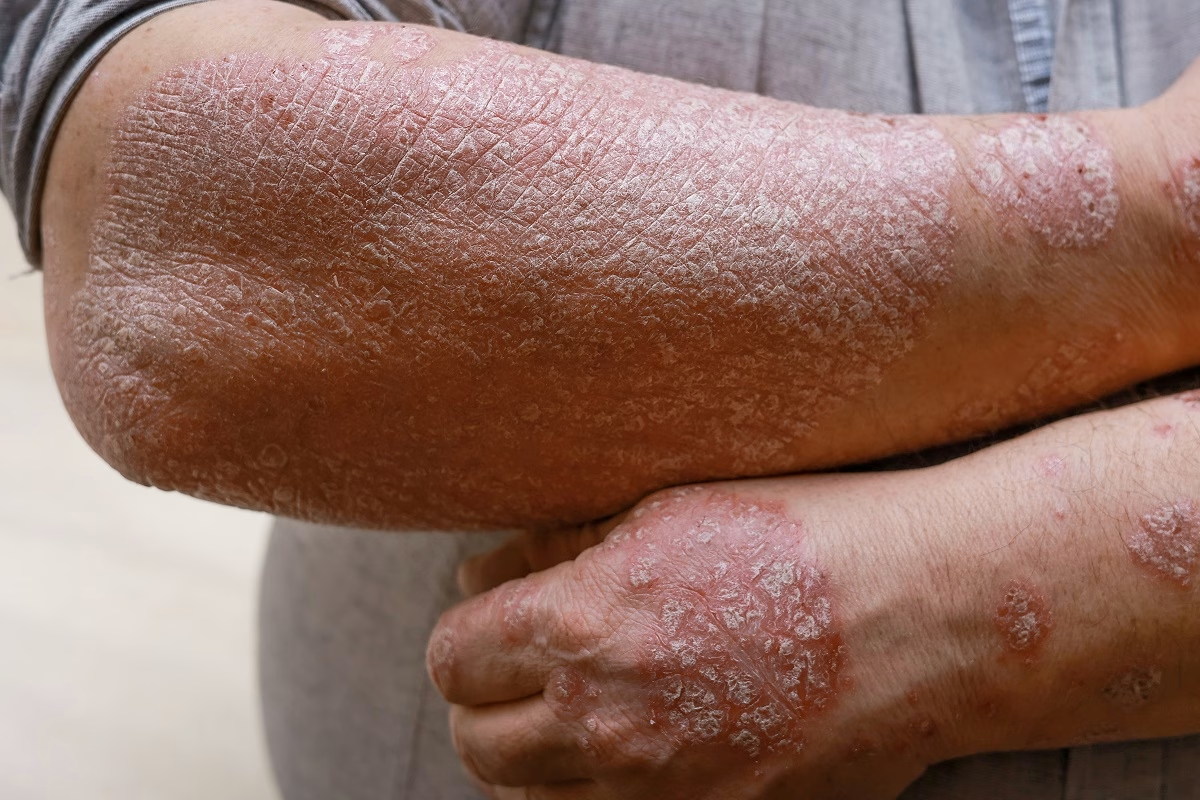
A type of psoriasis that causes pus-filled blisters on plaques (patches of scaly and flaky skin) is called pustular psoriasis. Usually, it affects the hands and feet, but it may appear anywhere on the body. While this condition cannot be cured, doctors may recommend treatments to ease the symptoms and improve your quality of life.
While pustular psoriasis occurs commonly among people with psoriasis, a type of pustular psoriasis called generalized pustular psoriasis is one of the rarest types of psoriasis. This rare condition causes symptoms similar to psoriasis that negatively affect a large area of the body. Furthermore, you may also experience fever, muscle weakness, and a fast spreading of the plaques on the skin.
What is The Difference between Pustular Dermatosis and Pustular Psoriasis?
A skin disorder in which pus-filled blisters appear under the top layer of the skin (subcorneal layer) is called pustular dermatosis. Usually, these blisters appear on the skin areas where there is friction (such as the groin or underarms). Furthermore, both disorders, pustular dermatosis and pustular psoriasis, do not cause skin plaques of flaky or discolored skin.
Types of Pustular Psoriasis
Doctors have divided this condition into 2 types, based on how and where they affect the skin. For example;
- Generalized – This type of condition is known as generalized pustular psoriasis (GPP) or erythrodermic psoriasis. This form of the condition often spreads to a large area of the skin and causes muscle weakness, fever, chills, severe itching, and skin plaques with pustules. Contact your healthcare professional if any of the previous symptoms occur.
- Localized – The localized form of this condition (also known as acute psoriasis) often targets a specific part of the body and causes symptoms on the skin. Furthermore, the 2 most common forms of localized pustular psoriasis include palmoplantar pustular psoriasis, which negatively affects the hands and feet, and acrodermatitis continua of Hallopeau (impacts the tips of the fingers and toes).
Symptoms
The symptoms of this type of psoriasis often affect the following parts of the body. For example, feet, scalp, face, and hands. However, it may also affect other parts of the body, but it is less common. Check below some general symptoms of pustular psoriasis:
- Patches of thick, discolored, flaky, and scaly skin (also called plaque)
- Skin patch covered in fluid-filled bumps (pustules) or blisters
- Mild pain and itchiness
Sometimes, pustules may join together and burst open, which often causes the skin to feel tender and sore. However, new pustules may form in the same location where pustules burst.
Generalized Pustular Psoriasis Symptoms
Commonly, pustular psoriasis covers a small area of the body (such as the palm) and causes local symptoms only. However, some people may develop pustules on a large area of the body (generalized pustular psoriasis), and you may experience additional symptoms. These include:
- Fever
- Chills
- Muscle weakness
- Fast heart rate
- Dehydration
- Swollen legs
- Severe pain and itchiness
- Fatigue (extreme tiredness)
Contact your healthcare provider if any of the previous symptoms occur.
Causes
Usually, this type of psoriasis occurs due to an overactive immune system. Normally, the immune system produces antibodies that help protect the body from bacteria, viruses, and other germs. In a person with psoriasis, the immune system becomes overactive and begins to release inflammatory molecules that cause healthy skin cells to divide and reproduce too fast. They also leave dead skin cells, and they form skin scales or flakes. This overreaction of the immune system is caused by some cells called neutrophils. These cells begin to accumulate in the superficial layers of the skin, causing pustules.
Healthcare professionals have also identified some triggers of the psoriasis symptoms. Check the most common triggers:
- UV (ultraviolet) exposure
- Prolonged stress
- Routine changes
- A reaction to medicines
- Infections (such as streptococcus or staphylococcus)
What Are The Potential Complications of Pustular Psoriasis?
People with pustular psoriasis may experience some complications, especially if they do not get treatment. Check below some examples:
- Organ failure – People with generalized pustular psoriasis may also experience problems with the kidneys, liver, and heart.
- Sepsis – In some cases, the bacteria may enter the body through broken skin and cause a serious infection. Without treatment, sepsis can be fatal.
- Cardiorespiratory distress
- Acute respiratory distress syndrome (ARDS) – This is a rare complication that may cause sudden and widespread inflammation in the lungs.
- Electrolyte and protein imbalances
- Malnutrition
- Liver damage
- Peripheral neuropathy
- Secondary infections
- Hair and nail loss
- Amyloidosis
- Pregnancy complications (such as preterm birth, neonatal death, placental insufficiency, and others)
The previous list does not contain a complete list of pustular psoriasis complications. In any case, you can consult with your doctor about ways to reduce the risk of developing them.
How to Prevent Pustular Psoriasis?
Unfortunately, there is no way to prevent this condition, but you can take some steps to reduce the risk of flare-up of symptoms. For example:
- Manage stress and chronic health conditions (such as high cholesterol, high blood pressure, diabetes, and others)
- Avoid triggers
- Regularly use moisturizers
- Wash your skin with a gentle cleanser or soap
Diagnosis
Usually, the diagnosis of this condition begins with a physical examination to check for irregularities linked with the disease. Therefore, they may also ask some questions about your symptoms and medical history to get more information about your condition. However, to confirm this condition, doctors may perform some tests because the symptoms of pustular psoriasis may resemble other health conditions. These include a culture test, skin biopsy, allergy test, blood tests (such as a complete blood count or CBC), and others. During a skin biopsy, physicians will remove a small sample of the affected skin for testing.

Treatment
The goal of the treatment is to clear the pustules from the skin, reduce symptoms (such as itching or pain), and prevent serious complications (including infections). Usually, physicians recommend topical medicines (including creams and ointments), phototherapy, oral medications, and biological treatments. In most cases, people notice improvements after 2-3 weeks to a few months after starting the treatment.
Frequently Asked Questions
When should I go to the ER?
Immediately call 911 or go to the nearest emergency room (ER) if you experience the following symptoms. For example:
- Severe muscle weakness
- Fever
- Severe pain or itching
What causes pustular psoriasis?
This condition usually occurs due to an overactive immune system. Healthcare professionals do not fully understand why it occurs, but they think there is a combination of genetic and environmental factors. People often experience symptoms due to the following triggers. For example, stress, infections, some medicines, pregnancy, hormonal changes, and prolonged exposure to UV (ultraviolet) light.
What happens if you leave psoriasis untreated?
If you ignore the symptoms or do not get treatment for this type of psoriasis, it may lead to some complications. These include an increased risk of infections and psoriatic arthritis, permanent joint damage, scarring, pain, and others. If you have any other questions, ask your healthcare provider.