
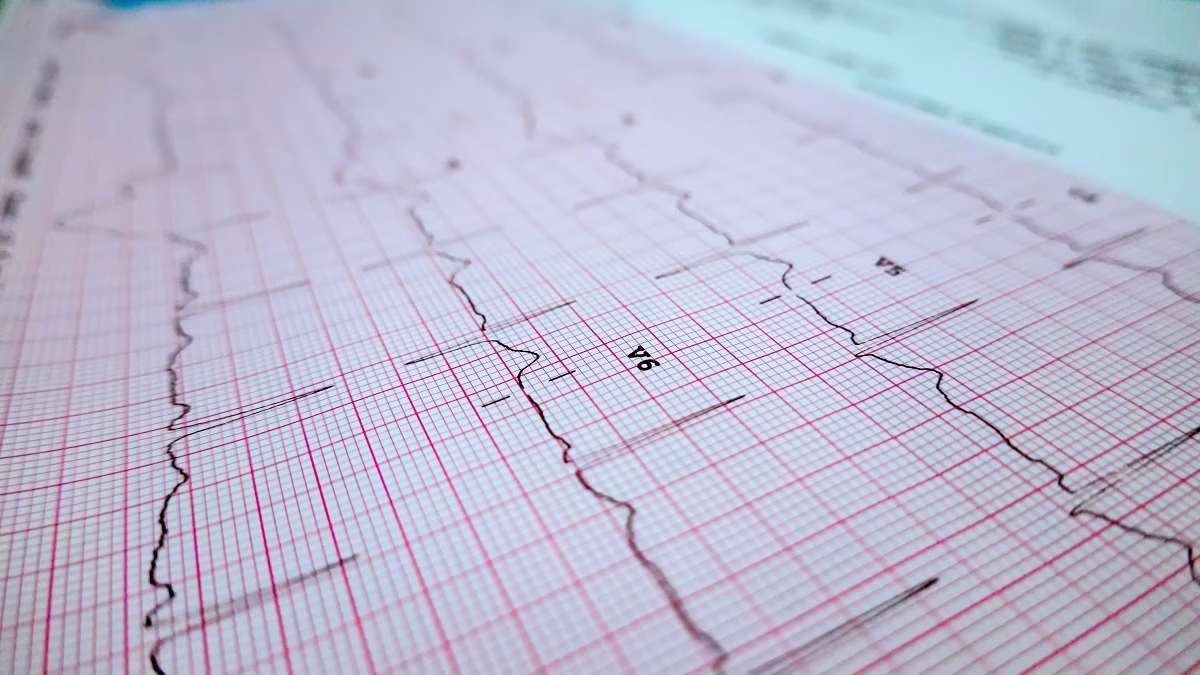
This is a disease in which the heart ventricles (lower heart chambers) contract too quickly and do not have time to fill with blood. It is called pulseless ventricular tachycardia. When there is no blood flow, the pulse stops. This is a medical emergency that requires immediate treatment, including defibrillation. Heart-healthy habits and management of existing heart diseases can prevent this condition.
In normal circumstances, the heart has 4 chambers, 2 upper chambers called atria and 2 lower chambers called ventricles. The lower heart’s chambers are the primary pumping chambers of the heart. The ventricles contract forcefully to send blood out of the body and lungs with each heartbeat. In people with pulseless ventricular tachycardia, the ventricles beat too fast. Furthermore, this condition is a type of ventricular arrhythmia or abnormal heartbeat of the ventricles.
When the ventricles beat too quickly, it prevents them from filling with blood, which stops the circulation of blood to the body. Moreover, the pulse stops when the ventricles do not have blood. Without immediate treatment, it often leads to organ failure, heart failure, and sudden cardiac arrest. This disorder can be monomorphic (the heartbeats have similar electrical waveforms) or polymorphic (heartbeats have different waveforms).
Immediately call 911 or go to the nearest emergency room (ER) if you suspect you have sudden cardiac arrest. If the heart does not pump blood for more than 5 minutes, it may lead to permanent heart damage and even death.
In general, this is a common condition. Moreover, about 350,000 people over 35 years old die from sudden cardiac death in the U.S. In most cases, sudden cardiac death is caused by ventricular arrhythmia.
Is Ventricular Tachycardia Always Pulseless?
This condition is not always pulseless. Usually, the heart rate is 100 beats per minute, and a normal resting rate is between 60 and 100 beats per minute. Commonly, the severity of ventricular tachycardia depends on how fast the heart beats, how long the fast heart rate lasts, and how frequently the fast heart rate occurs.
While ventricular tachycardia is often treatable, sometimes it may turn into a severe condition called pulseless ventricular tachycardia. Furthermore, this condition mostly affects people with existing heart diseases.
Symptoms
Commonly, people with pulseless ventricular tachycardia are unconscious, unresponsive, or without a pulse. Check below some symptoms that often occur before becoming unconscious:
- Chest pain
- Dizziness
- Racing, pounding, or skipped heartbeats (heart palpitations)
- Lightheadedness
- Shortness of breath (dyspnea)
Do not hesitate to see a doctor if any of the previous symptoms occur. Otherwise, it may lead to sudden cardiac arrest and even death.
Causes
There are multiple conditions that negatively affect the electrical signals in the heart. While the most common cause is structural heart disease, it may also occur due to the following health problems. For example:
- Valvular heart disease
- Cardiomyopathy
- Myocardial infarction (also known as a heart attack)
- Heart failure
- Coronary artery disease
- Heart rhythm diseases, including long QT syndrome and Brugada syndrome
- Electrolyte imbalances (these are minerals and vitamins that help regulate the heart’s electrical signals)
- Some medicines – These include an antibiotic (Erythromycin) or Methadone
The risk of developing pulseless ventricular tachycardia may increase in people with recent heart surgery or chest trauma and COPD (chronic obstructive pulmonary disease).
What Are The Long-term Effects of Pulseless Ventricular Tachycardia?
People with this condition may also experience some complications. Some of them can cause severe damage to different structures and organs in the body, but others are fatal without immediate treatment. Check below some examples:
- Cardiac arrest
- Hypotension (low blood pressure)
- Ventricular fibrillation
- Sudden death
- Anoxic brain damage (it may lead to permanent neurological damage)
- Heart failure
- Multi-system organ failure
- Widespread blood clotting
- Systemic ischemia (reduced blood flow to multiple tissues and organs in the body)
- ARDS (acute respiratory distress syndrome)
The previous list does not contain a full list of pulseless ventricular tachycardia complications. In any case, you can consult with your healthcare professional about ways to reduce the risk of developing them.
How to Prevent Pulseless Ventricular Tachycardia?
It is very important to have heart-healthy habits because they help reduce the risk of developing multiple heart diseases. Check below some tips that may help:
- Manage stress and chronic health conditions (including diabetes, high cholesterol, and others)
- Dietary changes – You should eat a healthy diet low in salt and cholesterol.
- Regularly perform physical exercise – Generally, you should aim for 30 minutes of physical exercise per day, at least 5 days a week.
- Limit or avoid alcohol and caffeine
- Quit smoking – If you face problems with smoking cessation, discuss it with your healthcare provider.
- Try to get and maintain a healthy weight
- Control stress
Diagnosis
This disorder is considered a medical emergency that is not always possible to diagnose. If you have symptoms that resemble sudden cardiac arrest (such as sudden and severe chest pain), call 911 or go to the nearest emergency room to start CPR.
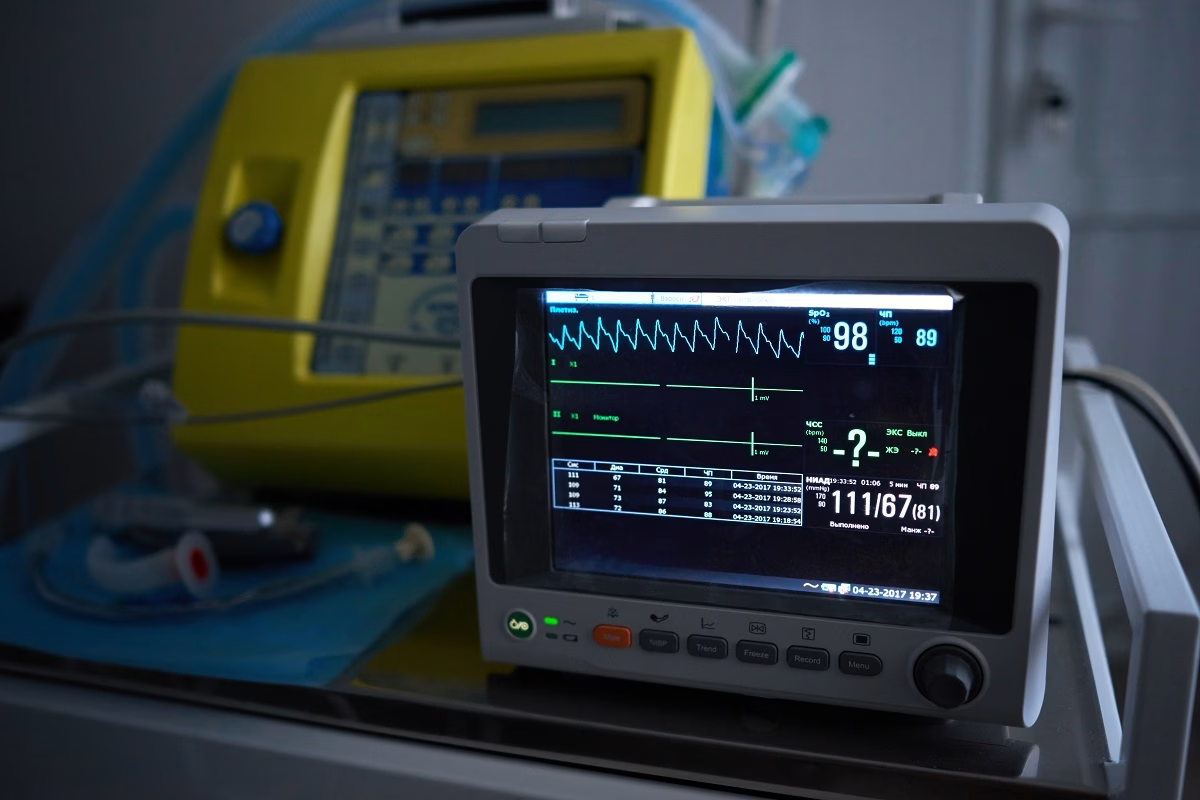
Treatment
When the treatment occurs outside the hospital, first responders often perform CPR. They also may use:
- Defibrillator – This is a specific device that delivers an electrical shock to restore heartbeats.
- Supplemental oxygen – This helps increase oxygen levels in the blood.
- Medicines – Doctors may recommend medications to increase blood pressure, which may help correct the abnormal heartbeats.
Generally, the goal of the treatment is to restore normal heartbeats and prevent serious complications caused by cardiac arrest. For instance, they may cool your body to protect the brain from damage. Sometimes, doctors may recommend an implantable cardioverter defibrillator (ICD) to monitor your heart 24/7. According to some studies, defibrillators are very effective at reducing sudden cardiac death.
Frequently Asked Questions
What is the prognosis for people with pulseless ventricular tachycardia?
The prognosis depends on how long it takes to restore the normal heartbeat. For example, the survival rates are only 5% if the delay is more than 15 minutes.
What is the first line of medication for pulseless ventricular tachycardia?
Currently, Amiodarone or Lidocaine are the first-line options, according to the American Heart Association’s Advanced Cardiovascular Life Support (ACLS) guidelines. However, the most effective option for ventricular arrhythmia is defibrillation.
Is pulseless ventricular tachycardia lethal?
This condition is a medical emergency, and without immediate treatment, almost leads to death. That’s why you should call 911 or go to the nearest emergency room (ER) if you experience symptoms of cardiac arrest. If you have any other questions, ask your healthcare professional.