
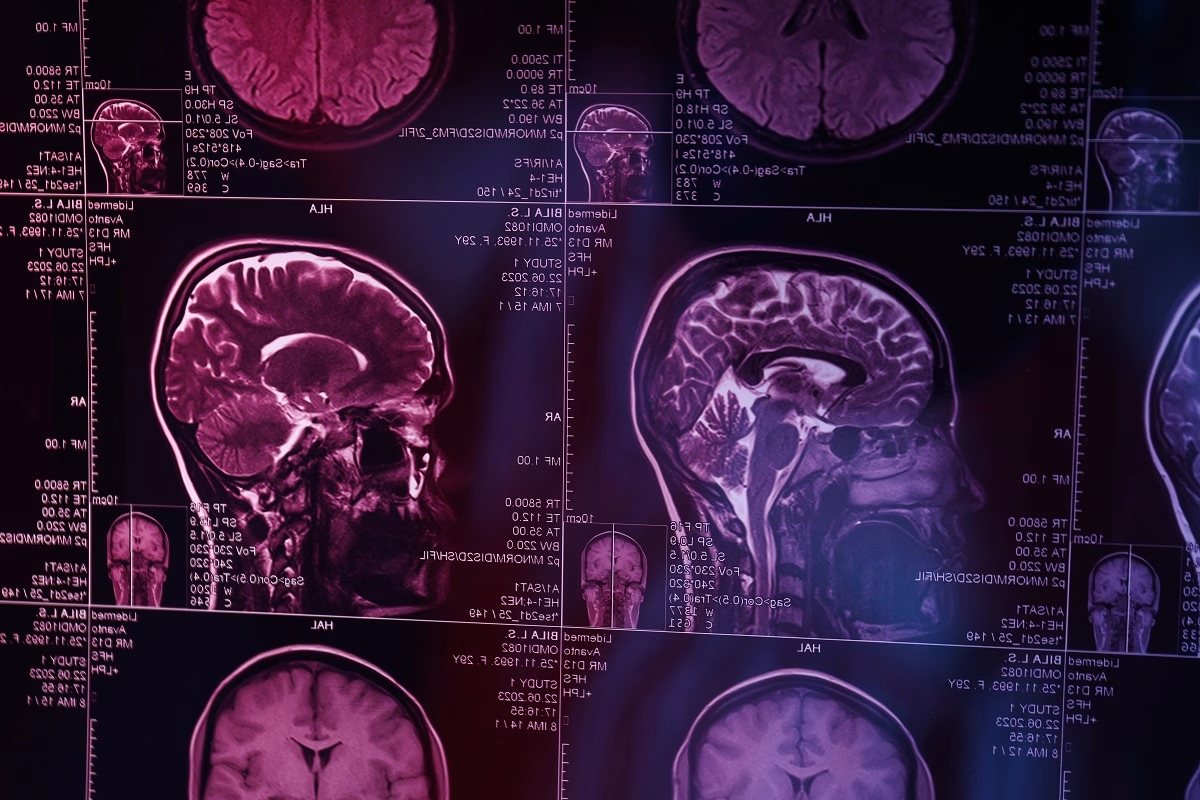
A health condition that causes attacks similar to epilepsy-related seizures is called functional seizures (FS) or psychogenic nonepileptic seizures (PNES). It occurs due to psychological distress, but not from abnormal electrical activity in the brain. Usually, this disorder is managed with cognitive behavioral therapy (CBT).
Furthermore, the effects of PNES are very similar to seizures caused by epilepsy. However, they are not caused by abnormal electrical activity in the brain. In most cases, it is a physical reaction of the nervous system to the following things. For example:
- Traumatic events (such as the death of a loved one)
- Physical triggers (including injuries and pain)
- Environmental stressors
It is important to understand that people with PNES have real seizures. While they can disrupt your life, there are options to control this condition. Sometimes, physicians refer to this disorder as functional neurological disorder (FND) because the symptoms are explained by functional disruption in the brain’s signaling system. In other words, the seizures caused by this disease are understood as a problem with the software rather than the hardware of the brain.
Symptoms
While the primary symptom of this condition is seizures, it may also cause other symptoms. Usually, these episodes look different among people with PNES. While sometimes it may look like you have symptoms that resemble tonic-clonic seizures (with full-body shaking), other people may experience twitching or jerking in their limbs. Furthermore, PNES episodes can be similar to absence seizures or drop attacks. The only difference between PNES and the previous disorders is that seizures are not caused by abnormal electrical activity in the brain. Check below some common symptoms of PNES:
- Different patterns of movement
- Convulsive episodes with retained awareness
- Unresponsiveness
- Full-body shaking that often lasts up to 10 minutes
- Loss of awareness
- Irregular limb movements
- Pelvic movements
In addition to seizures, some people may experience symptoms of the underlying condition. These include:
- Anxiety
- Depression
- Panic attacks
- Post-traumatic stress disorder (PTSD)
Immediately contact your healthcare professional if you or a loved one experiences any of the previous symptoms.
Causes
Nowadays, experts believe PNES occurs due to a combination of stress that negatively affects your mind, body, and relationships (biopsychosocial model). However, there are some personal challenges that could also play a role. These include:
- Problems with understanding and expressing emotions
- Difficulty processing information from senses to turn it into movements (sensorimotor processing)
- Response to physical and mental stressors
According to some recent studies, this condition may also have a genetic component. In some cases, people may develop PNES due to an underlying disorder. Check below some of them:
- Anxiety disorders
- Panic attacks
- Depressive and dissociative disorders
- Mood disorders
- Personality disorders
- PTSD (post-traumatic stress disorder)
- Somatic symptom disorder
- Substance use disorder
Risk Factors
While it is not possible to determine the exact cause of PNES, doctors have identified some factors that may increase your risk of developing it. For example:
- Physical, sexual, or emotional abuse or neglect during childhood
- Previous traumatic life events
- Chronic health conditions (such as chronic pain, fibromyalgia, and others)
- Age – While this condition may begin at any age, it tends to start in young adulthood.
What Are The Possible Complications of Psychogenic Nonepileptic Seizures?
Usually, people with this condition are not aware of when a seizure occurs. That’s why they can experience some complications. Check below some of them:
- An increased risk of accidents and injuries
- Isolation
- Fear or embarrassment
- Suicidal thoughts (it is advised to call or text 988, the Suicide & Crisis Lifeline in the U.S.)
- Delayed diagnosis of underlying problems (such as psychiatric disorder)
- Functional disability (including loss of employment or driving restrictions)
The previous list does not contain all possible complications of psychogenic nonepileptic seizures. However, you can talk with your doctor about ways to reduce the risk of developing them.
In addition, this condition can be prevented or significantly reduce the frequency of the episodes through primary psychotherapy. However, this treatment is not an option for everyone. For more details, discuss it with your doctor.
Diagnosis
Usually, it is quite challenging to diagnose PNES because the symptoms resemble epilepsy. Physicians usually confirm or rule out this condition after the results of a video EEG (electroencephalogram). During this test, they measure the electrical activity of the brain, which often helps determine the cause. It also involves small metal disks (also called electrodes) that are placed on the scalp. Thus, if the episodes are functional, the EEG often shows normal electrical brain activity during a seizure. Anyway, most people with these seizures have received a misdiagnosis of epilepsy. While it occurs very rarely, some people may have both PNES and epilepsy.

Treatment
According to some studies, the best way to manage this condition and reduce the frequency of seizures is a type of psychotherapy (also called talk therapy) known as cognitive behavioral therapy (CBT). You may get a prescription for other treatments for the underlying disorders. Doctors may recommend antidepressants along with CBT. Unfortunately, anti-seizure medicines do not work for PNES.
Cognitive Behavioral Therapy
This is the most effective treatment for people with PNES. It helps learn techniques that help control the body’s reaction to different triggers. During this therapy, you can also learn how your thoughts affect your behaviors and emotions. Usually, mental health professionals work to change your negative thoughts and unhealthy behaviors to cope with stressful events. If you do not notice improvements within 1-2 weeks of CBT, your doctor may recommend other types of psychotherapy.
If you develop this condition during adulthood, physicians may recommend a counseling program known as neurobehavioral therapy. It involves a workbook (similar to taking a class) and participation in weekly appointments that last about 45 minutes. This therapy also involves other activities (such as engaging in a social event and others).
Frequently Asked Questions
What can I expect after being treated for functional seizures?
This condition can negatively affect your life. However, with early diagnosis and proper treatment, you can relieve the symptoms and improve your quality of life. Some people either no longer have seizures or experience them more rarely after counseling.
What triggers psychogenic nonepileptic seizures?
There are some things that may trigger an episode of PNES. For example:
- A history of trauma, stress, or emotional problems
- Traumatic life events
- Mental health disorders (such as anxiety or depression)
Is PNES considered a mental illness?
Yes, PNES is a mental disorder, not a physical condition (such as epilepsy). Healthcare providers classified it as a somatic symptom disorder (a specific type of conversion disorder or functional neurological symptom disorder). Ask your doctor if you have additional questions.