
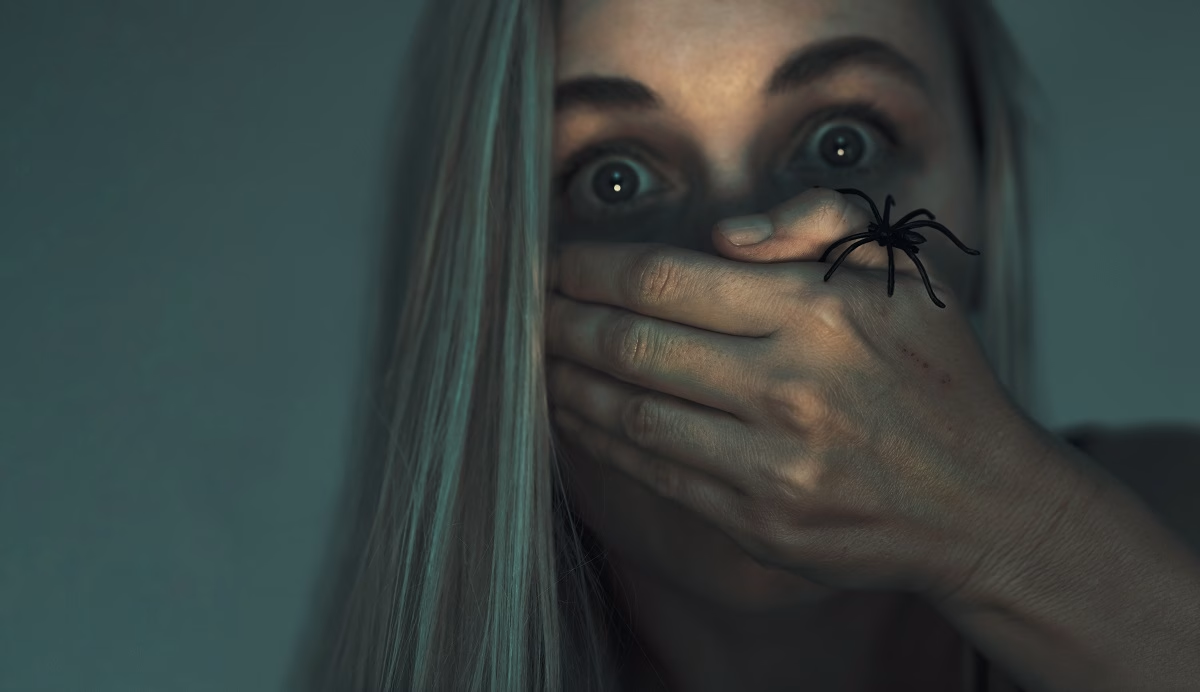
A health condition in which a person has intense or overpowering fear and anxiety in some situations or when encountering certain objects is called a phobia. In some cases, phobias involve similar things as ordinary fears, but the effects of this disorder can be more severe. However, if you develop a severe form of phobia, it may cause serious and even life-threatening problems.
Furthermore, phobias are a type of anxiety disorder, and almost all of them are known as specific phobias. Only one type of phobia (agoraphobia) is considered a specific diagnosis. Usually, when a situation involves your phobia, you can notice that the fear is more severe than it should be. Generally, when your phobia is triggered by something, you will feel overwhelming fear or anxiety.
Types of Phobias
Usually, the feelings of fear and anxiety affect everyone differently. However, healthcare providers have classified phobias into 5 categories. Examples include:
- Animals (such as alligators, dogs, snakes, and others)
- Natural environment (including heights, storms, and water)
- Blood, medical procedures, or injuries (such as needles, sharp objects, or pain)
- Specific situations (including driving, flying, and enclosed spaces)
- Other (such as clowns, choking, children, and others)
In addition, check below some examples of the most common phobias by category:
Animals
- Arachnophobia (fear of spiders)
- Cynophobia (fear of dogs)
- Entomophobia (fear of insects)
- Ophidiophobia (fear of snakes)
Natural Environment
- Aquaphobia (fear of water)
- Acrophobia (fear of heights)
- Astraphobia (fear of thunder and lightning)
- Agoraphobia (fear of public spaces)
Blood, Medical Procedures, or Injuries
- Dentophobia (fear of dentists)
- Trypanophobia (fear of needles)
- Homophobia (fear of blood)
- Algophobia (fear of pain)
Situations
- Aerophobia (fear of flying)
- Amaxophobia (fear of driving)
- Claustrophobia (fear of enclosed spaces)
- Nyctophobia (fear of the dark)
Others
- Emetophobia (fear of vomiting)
- Pyrophobia (fear of fire)
- Coulrophobia (fear of clowns)
- Trypophobia (fear of clusters or groups of holes)
What is Agoraphobia?
This is a separate diagnosis because it has multiple possible triggers. Furthermore, to diagnose this type of phobia, a person should experience multiple types of triggers.
How Common Are Phobias?
While most people think their feelings resemble a phobia, it is not a common condition. However, rates for specific phobias often fluctuate by age. Typically, most people develop them before the age of 10.
- Overall – About 8% to 12% of people in the United States meet the criteria for a specific phobia. However, in the rest of the world, it affects about 2% to 6%.
- Children – Specific phobias affect between 3% and 9% of children in the entire world, but in the U.S., about 16% of teenagers (between the ages of 13 and 17) have this disorder.
- Older adults (over 65 years old) – In general, phobia risk tends to decrease with aging. That’s why it affects about 3% to 5% of people who are older than 65.
Symptoms
In some cases, both agoraphobia and specific phobia cause similar symptoms. Moreover, they can cause physical, behavioral, or mental symptoms when you experience an episode. Check below some examples:
Mental Symptoms
The following symptoms negatively affect the ability to think and feel. For example:
- Panic
- A feeling that you need to escape
- Intense or overwhelming fear
- A feeling like you are in immediate danger or disconnected from your body (depersonalization)
Physical Symptoms
These include:
- Nausea
- Stomach upset or mild pain
- Chest tightness or pain
- Difficulty breathing
- Dizziness
- Lightheadedness
- Shaking or trembling
- Sweating
- Chills
- Increased heart rate
- Fainting
- Narrowed vision (also known as tunnel vision)
- Pallor
Behavioral Symptoms
These symptoms are ways people change their lifestyle, routine, or habits. For example:
- Going out to avoid triggers (such as avoiding regular medical or dental care because you are afraid of needles, dentists, and others)
- Intentionally changing your life to avoid triggers (for example, moving out of a coastal area because of a fear of hurricanes)
- Avoiding lifestyle changes (some people may avoid buying a house or taking a job near a view of a river, lake, or ocean because of a fear of water, swimming, or drowning)
Symptoms in Children
Some specific phobias can also cause the following additional symptoms in children. These include:
- Crying
- Tantrums or emotional outbursts
- Freezing
- Inability to be alone
Causes and Risk Factors
Generally, phobias occur when the brain takes fear and anxiety to extreme degrees. However, healthcare providers do not fully understand why these emotions turn into phobias, but they think there is a combination of factors that contribute to it. Check below some factors that could increase your risk of developing phobias:
- Traumatic experiences – These include experiences that happen to you or you see happen to other people.
- Genetics – Some types of phobias are more likely to occur in people with some genetic changes. Furthermore, if you have a family history (a parent or sibling) of this disorder, your risk of developing it significantly increases.
- Informational transmission – In some cases, people may develop phobias because of things they learn about, hear, or see multiple times.
- Learned fears – While it is not common, some people who learn about phobias can eventually develop one. Sometimes, it can be a factor in why people with overprotective parents are more likely to have a specific phobia.
What Are The Potential Complications of Phobias?
People with phobias can also experience some complications. They also affect mental and physical health, especially if you frequently encounter triggers. In general, people with specific phobias and agoraphobia have an increased risk of developing some mental disorders. Check below some examples:
Mental Health Conditions
The following disorders often occur after a phobia. Examples include:
- Anxiety disorders
- Depressive disorders
- Bipolar disorder
- Personality disorder (including dependent personality disorder)
- Substance use disorders
- Somatic symptom disorders
Physical Disorders
The following health problems often occur along with phobias, or they can worsen the phobia symptoms. For example:
- Heart disease
- COPD (chronic obstructive pulmonary disease)
- Parkinson’s disease
- Degenerative brain disorders (including dementia)
- Balance and dizziness that significantly increase the risk of falls and fall-related injuries
This article does not contain a full list of phobia complications. However, you can consult with your healthcare professional about ways to reduce the risk or even prevent them.
How to Prevent Phobias?
Unfortunately, these conditions occur unpredictably, and it is quite difficult to prevent them. Usually, people’s experiences are different. As a result, they act differently when they encounter them. In most cases, phobias cannot be prevented. Thus, there is no way to reduce the risk of developing them.
Diagnosis
In most cases, phobias are diagnosed by a mental health provider (such as a psychologist or psychiatrist). First, they will ask some questions about your medical history, symptoms, and family history to get more clues about the disease. After that, they can perform some laboratory, imaging, or diagnostic tests. To confirm a phobia, you should meet some of the following criteria. Examples include:
- Strong fear or anxiety about a specific object or situation
- Encountering triggers that cause immediate fear, anxiety, or both
- Commonly, avoiding phobia triggers or experiencing intense fear when it is not possible to avoid them
- In general, triggers cause more severe fear and anxiety than they should
- The symptoms you experience cannot be better explained with other disorders, such as PTSD (post-traumatic stress disorder or panic disorder

Treatment
Usually, doctors treat phobias with mental health therapy, medicines, or a combination of the two. Anyway, they often prescribe different treatments for people with phobias because it depends on several factors. These include the type and severity of the condition, existing health problems, age, and preferences.
Psychotherapy
This treatment is also known as talk therapy, and it is a primary treatment for people with phobias. It helps adjust thinking and behaviors surrounding your fear. Furthermore, the most common type of psychotherapy is CBT (cognitive behavioral therapy). In most cases, people with phobias cope better with the fear and anxiety caused by their phobias.
Exposure Therapy
This treatment usually occurs in 2 ways. For example:
- Systematic desensitization (graded exposure) – This treatment involves gradually exposing you to triggers. Over time, it helps you work through parts of the fears caused by phobias. It can also be helpful to adjust your thinking and behaviors to manage fear and anxiety.
- Flooding – This is a specific technique very similar to desensitization, but it involves exposing you to the phobia triggers themselves, not in small parts over time. It usually helps control your anxiety.
Medicines
Physicians can also prescribe some medicines to relieve the symptoms caused by phobias. For example, anxiety medicines, antidepressants, and others, depending on how severe your symptoms are.
Frequently Asked Questions
What can I expect if I have a phobia?
In most cases, phobias impact mental health and well-being. For instance, approximately 75% of people with specific phobias also have more than one type of phobia. Moreover, if these phobias are left untreated, you may experience serious health problems that interfere with your daily routine.
How long do phobias last?
If you get treatment for a phobia, over time, it can fade. However, it is less likely to occur without treatment. Sometimes, people who left their phobias untreated may experience them for years and even decades.
When should I go to the ER?
As we know, phobias significantly increase the risk of certain mental diseases, including anxiety, depression, and others. In severe cases, you may experience suicidal thoughts or even behavior. In such cases, it is advised to call 911, 988 (the National Suicide and Crisis Lifeline), or go to the nearest emergency room (ER). Ask your healthcare provider if you have additional questions.